
Closed border with Benin: Niger has lost 117 billion FCFA in public revenue.
For nearly three years, the closure of the land border with Benin has disrupted Niger’s trade exchanges. While the country has found alternative solutions to secure its supply, these have come at a cost. According to the International Monetary Fund (IMF), this situation has resulted in a shortfall of 117 billion CFA francs for Niger’s public finances in 2024.


117 billion CFA francs. This is the amount that Niger failed to mobilize in its public revenues by the end of September 2024, according to estimates from the International Monetary Fund (IMF). State revenues were estimated at 656.1 billion CFA francs, compared to the initially expected 773.1 billion, representing a gap of about 1% of the country’s gross domestic product (GDP), reported Jeune Afrique.
For the IMF, this decline is largely linked to the effects of the closure of the land border with Benin. The halt in exchanges along this trade route has reduced revenues from customs duties, VAT on imports, and other taxes levied on foreign trade.
Before the diplomatic crisis of 2023, Niger relied heavily on the Cotonou-Malanville-Niamey corridor for its international trade. Between 70% and 80% of its imports passed through the autonomous port of Cotonou, considered the main entry point for goods destined for this landlocked country.
With the closure of the border, economic operators were forced to rethink their supply chains. Some of the traffic was redirected to the ports of Lomé, Togo, and Lagos, Nigeria. While these routes have helped avoid a disruption in imports, they have proven more costly and sometimes less efficient. Delivery times have increased, and logistical costs have risen for businesses.
The oil sector, for its part, has continued to support the Nigerien economy. Crude oil exports via the pipeline linking Agadem to the Sèmè-Kpodji terminal in Benin were not interrupted despite diplomatic tensions. In 2025, they generated over 1,140 billion CFA francs. However, the project remains below its production targets, due to tensions between Nigerien authorities and the Chinese company CNPC, as well as repeated attacks on the pipeline.
The closure of the border has also complicated the delivery of certain equipment intended for the development of the Agadem oil field. Equipment that used to arrive via the port of Cotonou had to take alternative routes or even be transported by air, increasing costs for operators.
Despite a rise in customs revenues in 2025, they remain below the authorities’ expectations. They reached 187 billion CFA francs, compared to 144.4 billion a year earlier, but still fall short of the target set at 223 billion.
As Cotonou and Niamey have agreed on the principle of a forthcoming reopening of their land border, economic actors hope that this normalization will facilitate exchanges, reduce logistical costs, and give a new boost to trade between the two countries. For Niger, the stakes also involve regaining a level of tax revenues more in line with its economic potential.
Related Articles
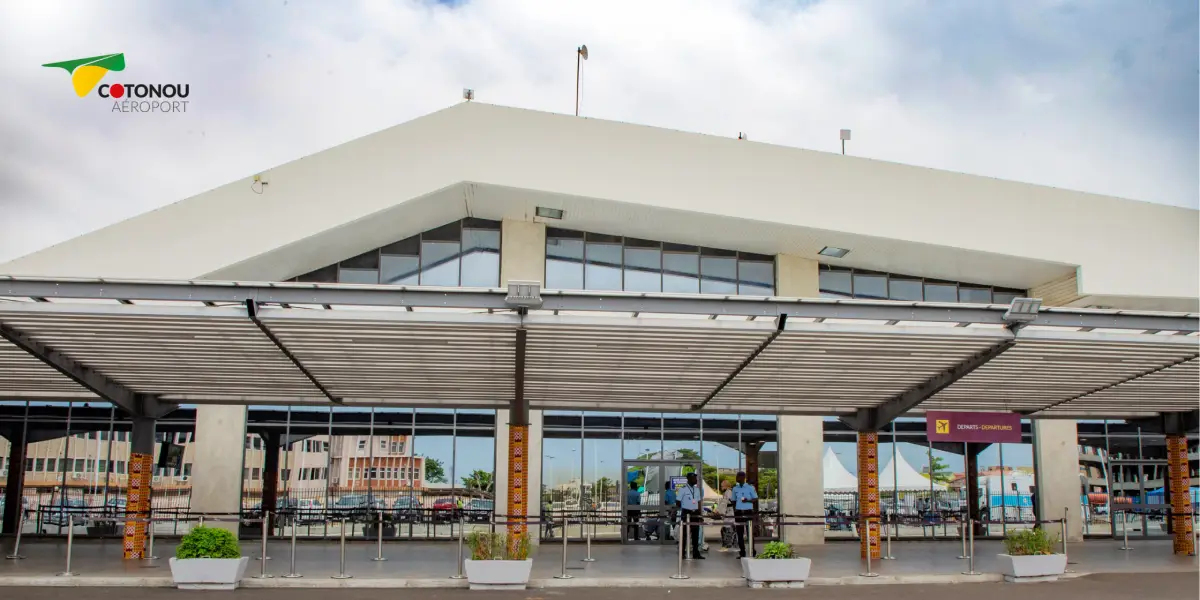 In Benin, 46% of citizens have considered leaving the country in 2024-2025
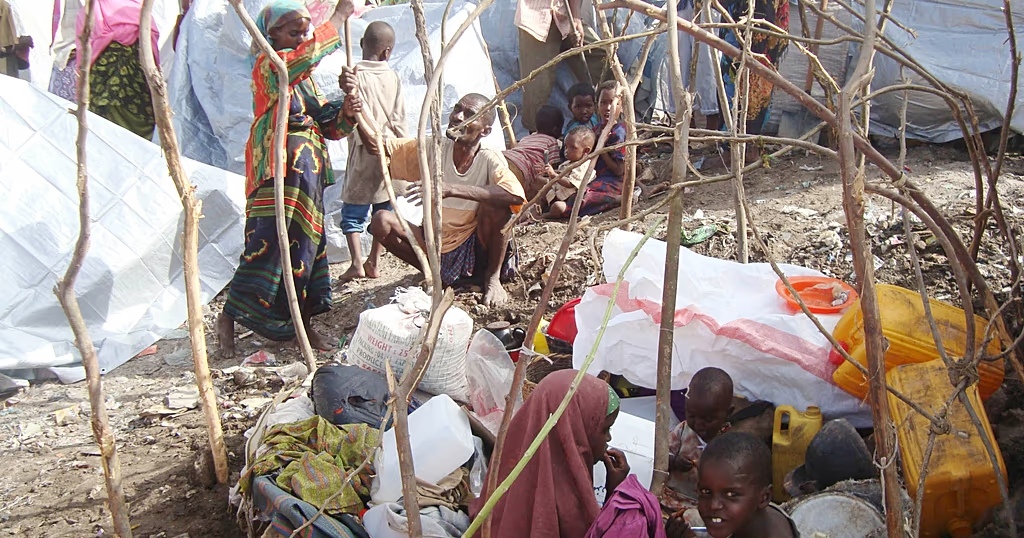 Somalia: 26,000 displaced from Baidoa face famine risk by December
 2nd edition of the Mangal Festival: science, culture, and local knowledge mobilized to preserve the Mono Delta
 In Gabon, enrollment for digital driving licenses suspended three days before deadline
Comments
Comments load when you reach this section.