
Somalia: 26,000 displaced from Baidoa face famine risk by December
Approximately 26,000 displaced individuals in Baidoa, located in southwestern Somalia, are projected to enter phase 5 “Catastrophe,” the most severe level of food insecurity, between October and December 2026. A report released on Wednesday, September 23, by the Integrated Food Security Classification Framework (IPC) warns of a famine risk if heavy flooding leads to further displacements and if assistance remains inadequate.

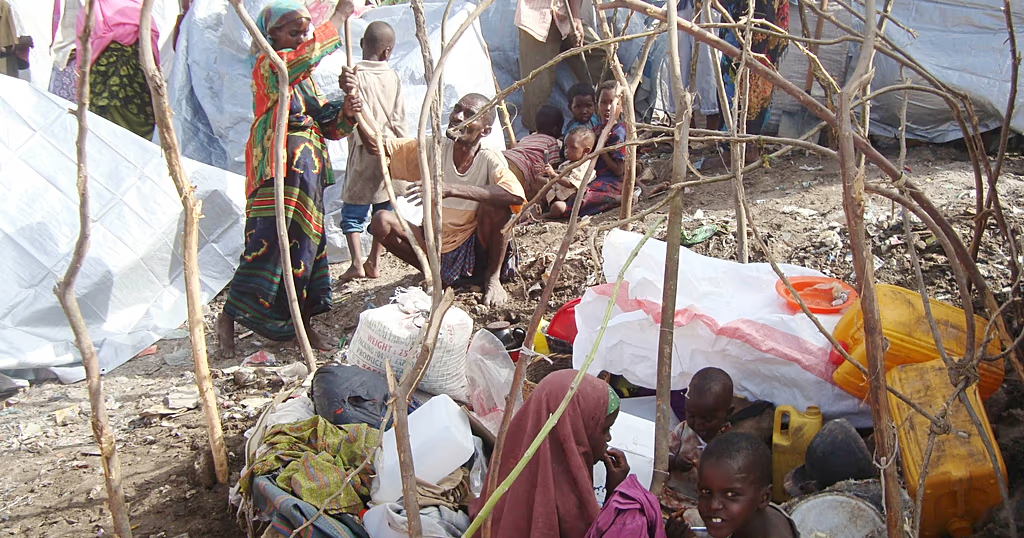
This classification does not constitute a declaration of an ongoing famine. The IPC reserves this term for situations where specific thresholds are simultaneously crossed regarding extreme food shortages, acute malnutrition, and mortality rates. However, in its unfavorable scenario, the organization estimates that these conditions could be met among the displaced population in Baidoa by the end of the year.
Nationally, 5.1 million people were already experiencing food crises or more severe conditions between July and September. This number is expected to rise to 5.4 million in the last quarter, including 1.5 million in phase 4 “Emergency.” The IPC attributes this deterioration to drought, conflict, high prices, and reduced aid, now compounded by the threat of El Niño rains.
The alert comes as Somali authorities have approved a national El Niño preparedness plan for 2026-2027. The Somali Disaster Management Agency has requested that evacuations, temporary shelters, and health resources be prioritized in areas vulnerable to flooding, according to local media outlet Shabelle.
In Baidoa, the situation had already been deteriorating prior to this projection. The stabilization center supported by Save the Children admitted 400 children suffering from severe acute malnutrition with complications in June, compared to 143 in January. In the first six months of 2026, 1,405 children were treated there, nearly three times the total recorded a year earlier.
The IPC’s nutritional analysis estimates that 1.92 million children under five will require treatment for acute malnutrition by June 2027, including 433,000 severe cases. From October to December, food aid is expected to reach only about 70,400 people per month, which is 1.3% of the population assessed as being in crisis or at a higher level.
Related Articles
 2nd edition of the Mangal Festival: science, culture, and local knowledge mobilized to preserve the Mono Delta
 In Gabon, enrollment for digital driving licenses suspended three days before deadline
 Benin: 54 million FCFA in equipment to monitor displaced populations
 Pretoria: Kemi Séba will appear again tomorrow, Wednesday, September 23.
Comments
Comments load when you reach this section.