
World Mosquito Day: Malaria vaccines are gaining ground in Africa
Twenty-five African countries had integrated an anti-malarial vaccine into their routine vaccination programs by 2026, according to the World Health Organization (WHO). On the occasion of World Mosquito Day, celebrated on August 20, this deployment illustrates the progress made against a disease that remains one of the leading causes of child mortality on the continent.

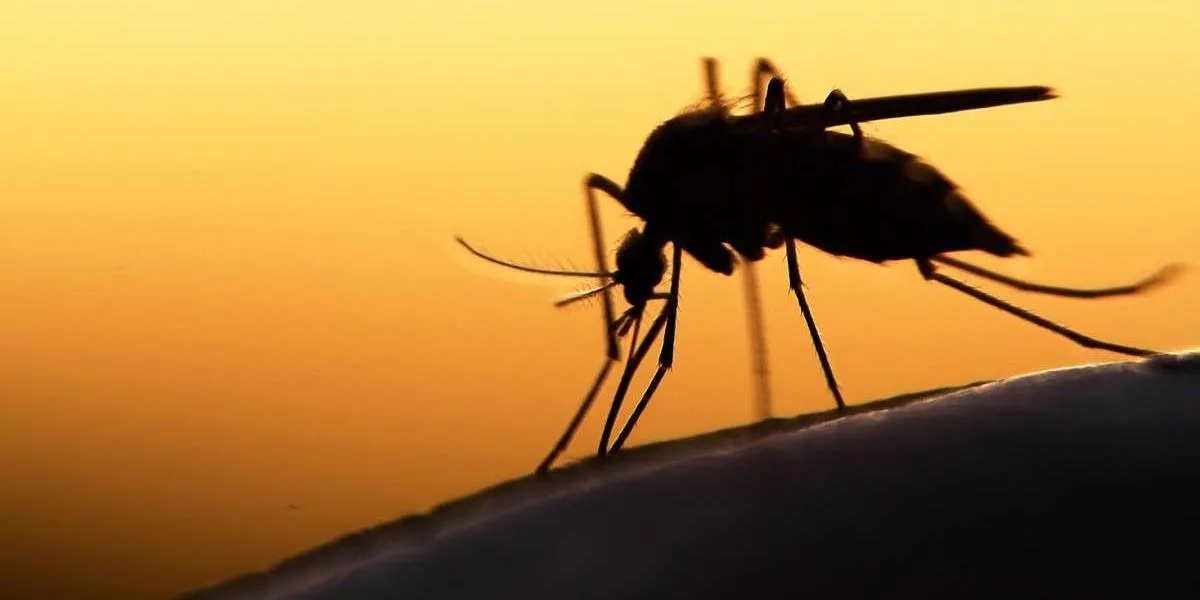
The two vaccines recommended by the WHO, RTS,S and R21, are intended for children living in areas where malaria transmission is moderate or high. The organization estimates that more than 10 million children need to be vaccinated each year in the countries that have introduced these products.
Malaria caused approximately 282 million cases and 610,000 deaths worldwide in 2024, according to the Global Malaria Report 2025. The African region accounted for 94% of cases and 95% of deaths, nearly three-quarters of which involved children under five years old.
A study published in May 2026 in The Lancet, based on the rollout of RTS,S in Ghana, Kenya, and Malawi, linked the introduction of the vaccine to a 13% reduction in all-cause mortality among eligible children. The authors tracked the programs for 46 months and analyzed over 1.2 million first doses.
A complementary tool, not an isolated protection
The WHO recommends four doses to achieve lasting protection. Vaccination should be combined with impregnated mosquito nets, rapid diagnosis, anti-malarial treatments, and, depending on the areas, seasonal chemoprevention.
Mosquito nets are also evolving in response to the increasing resistance of mosquitoes to insecticides. In 2024, 84% of the nets shipped to sub-Saharan Africa were either pyrethroid-treated or dual-active ingredient models, according to the WHO.
Progress remains uneven. On the African continent, Mauritius was certified malaria-free by the WHO in 1973, Algeria in 2019, and then Cape Verde and Egypt in 2024. Certification is granted when a country demonstrates that local transmission has been interrupted for at least three consecutive years.
In April 2026, the WHO also prequalified the first anti-malarial treatment specifically tailored for newborns and infants weighing less than five kilograms, as well as new rapid diagnostic tests.
Comments
Comments load when you reach this section.