
Indonesia: Respiratory infections linked to fires double in a week
Respiratory infections related to smoke from forest and peat fires in Indonesia have more than doubled in just over a week, rising from 50,891 cases on September 1 to 113,336 on September 9, 2026, according to data from the Indonesian Ministry of Health released on Thursday. The crisis is particularly affecting Sumatra and Borneo, where a thick haze of smoke is severely degrading air quality.

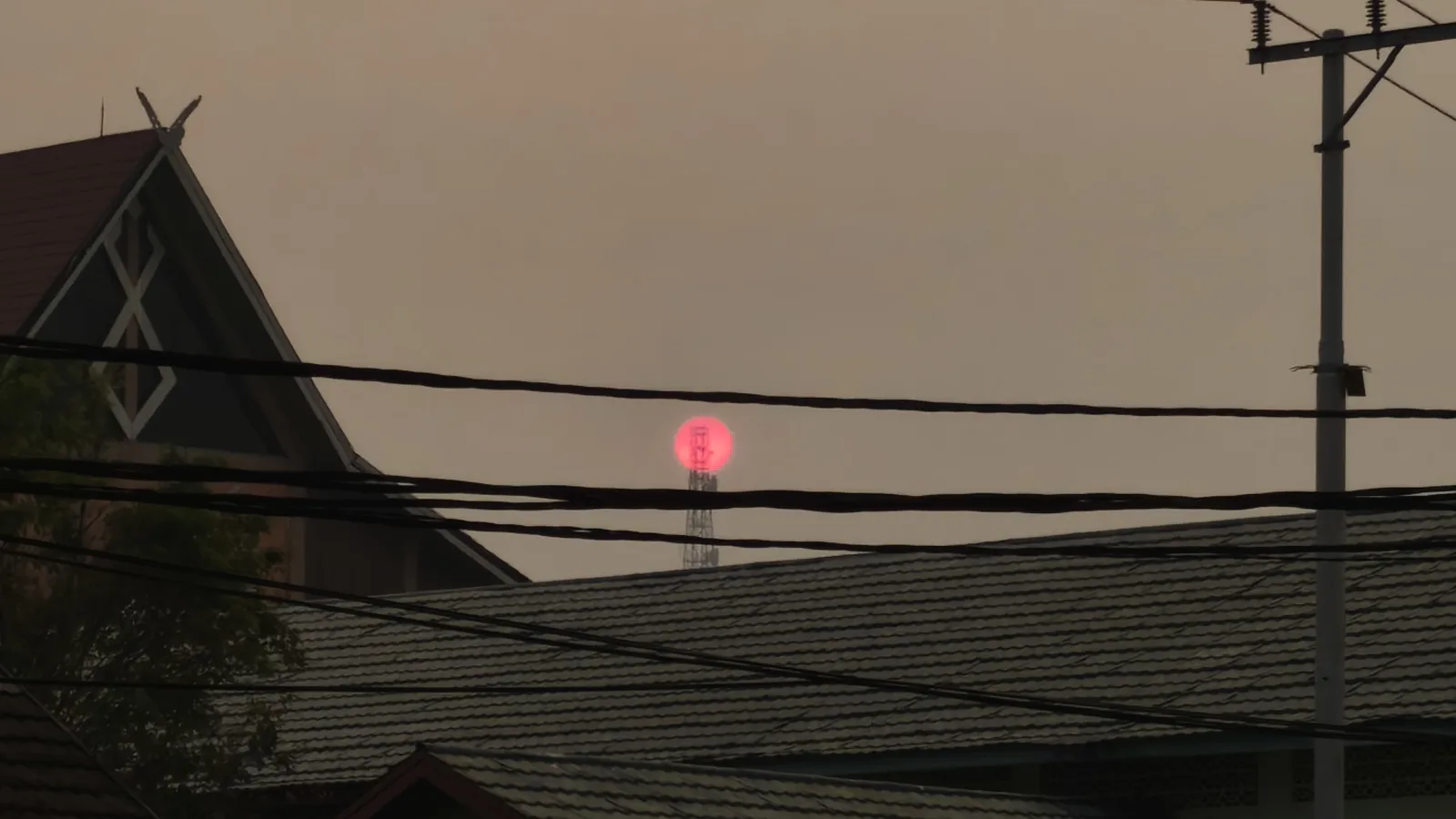
More than 12.5 million people have been exposed to the smoke across seven provinces, said ministry spokesperson Widyawati. Authorities have distributed nearly one million masks, sent hundreds of oxygen concentrators, and deployed thousands of health personnel to enhance care in the most affected areas.
The 2026 fire season is the most intense observed in the country in eleven years, amid a strong El Niño and prolonged drought. The Indonesian fires have also led to a significant increase in CO₂ emissions in early September. Approximately 202,000 hectares burned between January and July, according to government data cited by Reuters, while the environmental organization YKAN estimates that around 600,000 additional hectares were damaged in August.
The Ministry of Health had already strengthened protections for children, the elderly, pregnant women, and patients with chronic illnesses at the end of August. It warned that fine particles PM2.5 and PM10, along with several gases from the fires, increase the risk of respiratory disorders and can exacerbate existing health conditions.
As of September 1, health authorities reported 50,891 cases of acute respiratory infections in the affected areas during July and August. Among these, 12,600 involved children under five years old, while 38,291 cases were recorded in individuals aged five and older.
School closures and international aid
The smoke is also disrupting education. The Associated Press reports that more than 1.4 million students have been forced to attend classes remotely in the country. In Palembang, in southern Sumatra, over 250,000 students from 1,030 schools have been affected by the temporary closure of schools due to air pollution.
Japan has dispatched three CH-47 Chinook helicopters to support water bombing operations in Borneo, while Malaysia has offered additional aerial assistance. Singapore and Malaysia have also recorded unhealthy air quality levels due to the transboundary haze.



Comments
Comments load when you reach this section.