
Ghana: APPM Opens a Market of 1.4 Billion Africans to Local Vaccines
Ghana has joined the African Pooled Procurement Mechanism (APPM), the continental initiative led by Africa CDC to consolidate health product purchases. The agreement grants Ghanaian vaccine and medicine manufacturers structured access to demand spanning 55 African Union member states, representing a potential market of over 1.4 billion people.

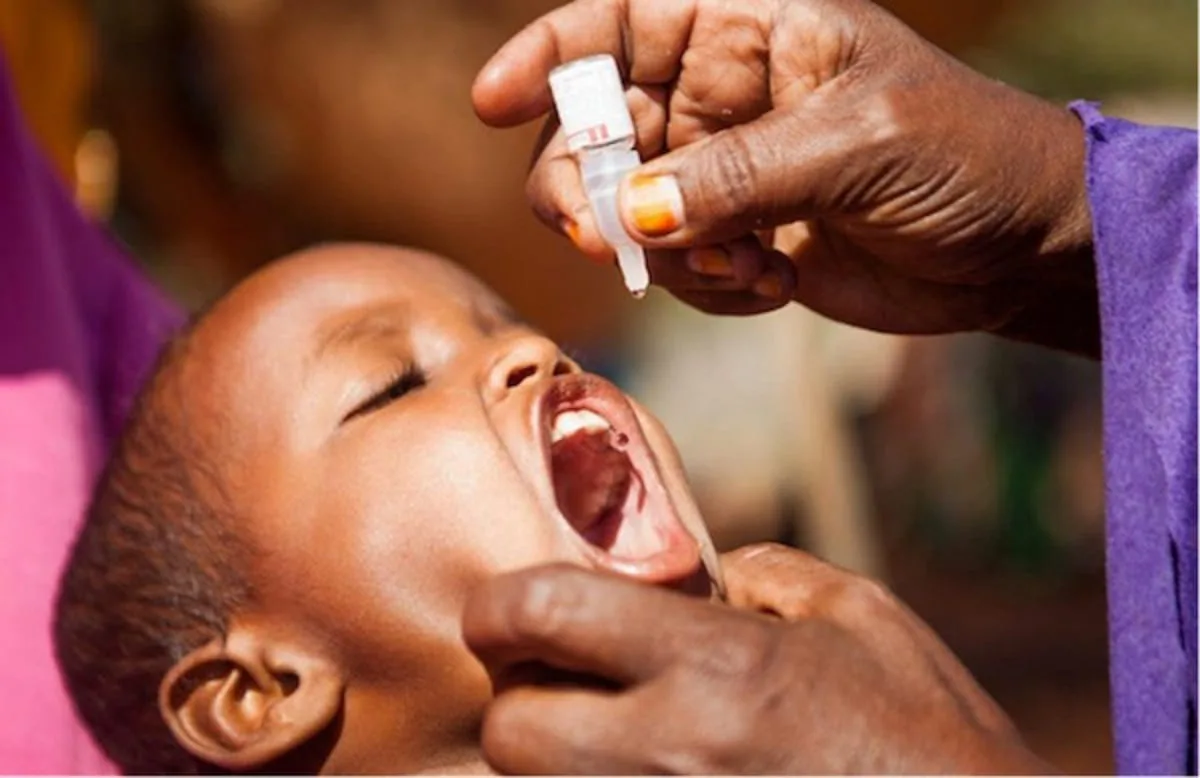
The memorandum of understanding was signed on 21 August in Accra by Ghana’s Minister of Health, Kwabena Mintah Akandoh, and Africa CDC Director General, Jean Kaseya. The public announcement made on 7 September now places Ghana in the operational phase of a system designed to aggregate needs, stabilize orders, and provide greater visibility to African producers.
For Accra, the challenge is as much industrial as it is health-related. Ghana’s domestic market, with about 33 million inhabitants, remains too small to easily absorb some heavy investments in vaccine manufacturing. By joining the APPM, local companies will be able to compete in continental tenders, provided they meet quality, capacity, and regulatory compliance requirements.
Ghana also aims to reduce the risk that hinders investment in its pharmaceutical industry. Authorities are simultaneously working on a system of advance purchase commitments to give manufacturers better visibility on future demand. This approach is intended to complement efforts to make the country a regional hub for producing vaccines, serums, and other health products.
A mechanism designed to scale up the African market
The APPM was formally approved by the African Union in 2024. Its principle is to pool countries’ needs to improve bargaining power, secure supplies, and support local production. Africa CDC has already begun prequalifying African manufacturers through a process that reviews regulatory compliance, industrial capacity, product ranges, export experience, and financial stability.
Ghana’s membership does not automatically guarantee local manufacturers contracts. They must undergo selection procedures and continue to comply with national regulations. Ghana’s Food and Drugs Authority retains its prerogatives over marketing authorizations, import controls, batch releases, and post-marketing surveillance.
The National Vaccine Institute believes the system can transform the economic scale of local production. Products such as tetanus-diphtheria vaccines, anti-tetanus serum, and certain other serums could eventually target a continental market rather than relying solely on Ghana’s domestic market. This strategy aligns with the African Union’s broader goal of locally producing 60% of the continent’s vaccine needs by 2040.
This new step comes as Ghana is already seeking to strengthen its health system and crisis response capacity. The country has recently expanded free primary care to 4,574 facilities, signaling a parallel effort to improve access to services and health sovereignty.
The next milestone is set for November in Accra, where a regional APPM meeting will define the product catalog, technical specifications, and implementation modalities. It is at this stage that the agreement can begin to translate into concrete commercial opportunities for Ghanaian manufacturers.


Comments
Comments load when you reach this section.