
Sudan: Aid Cuts Force Closure of 36 Health Facilities
In Sudan, cuts in international aid are forcing 36 health facilities and sites supported by the International Rescue Committee (IRC) to close during the year 2026, potentially depriving around 473,700 people of nearby access to essential care. The warning, reported Tuesday 8 September by the Associated Press, comes as Sudan’s health system remains deeply weakened by more than three years of war.

According to Mohammed Mahdi, IRC director for eastern Sudan, a few facilities will be able to continue operating temporarily thanks to bridging funds, but this margin is not expected to extend beyond the end of September. The closures affect primary care services in several regions where displacement, insecurity, and rising transport costs already complicate access to the hospitals still open.
The funding contraction accelerated after the June halt of several grants on which humanitarian organizations operating in Sudan depended. Médecins Sans Frontières (MSF), which does not rely on government funding for its own activities, nevertheless reports suffering indirect effects from the withdrawal of other actors: more patients are turning to its facilities, while supply chains, referral systems, and local services are disappearing.
In central Darfur, MSF reports that 45 primary health care centers stopped receiving support in May. Between January and April 2026, admissions in MSF-supported facilities in Zalingei and Rokero increased by 22.5% compared to the same period in 2025, indicating growing pressure on the facilities that remain operational.
The situation is also critical in the east of the country. At the Tanedba camp, which hosts about 18,400 refugees, eight organizations have already ceased their activities, and the departure of one operator in June led to the closure of maternity and surgical services. MSF now handles emergency deliveries and transfers patients requiring surgery to Al-Gedaref or Hawata, several hours away by road.
A Health System Already on the Brink of Collapse
The funding crisis adds to considerable structural damage. In April, the World Health Organization (WHO) estimated that 37% of Sudan’s health facilities were no longer functional and that 21 million people lacked access to the health services they needed. WHO also estimated that 34 million people required humanitarian aid. humanitarian aid in 2026.
As early as 17 June, the Health Cluster led by WHO warned that the end of U.S. funding risked affecting 335 health facilities and services across 13 states, potentially impacting 3.35 million people and 1,848 health workers. The system recorded notably 126 suspended primary care centers and seven hospitals whose services had also been suspended.
Epidemic Outbreaks Worsen the Risks
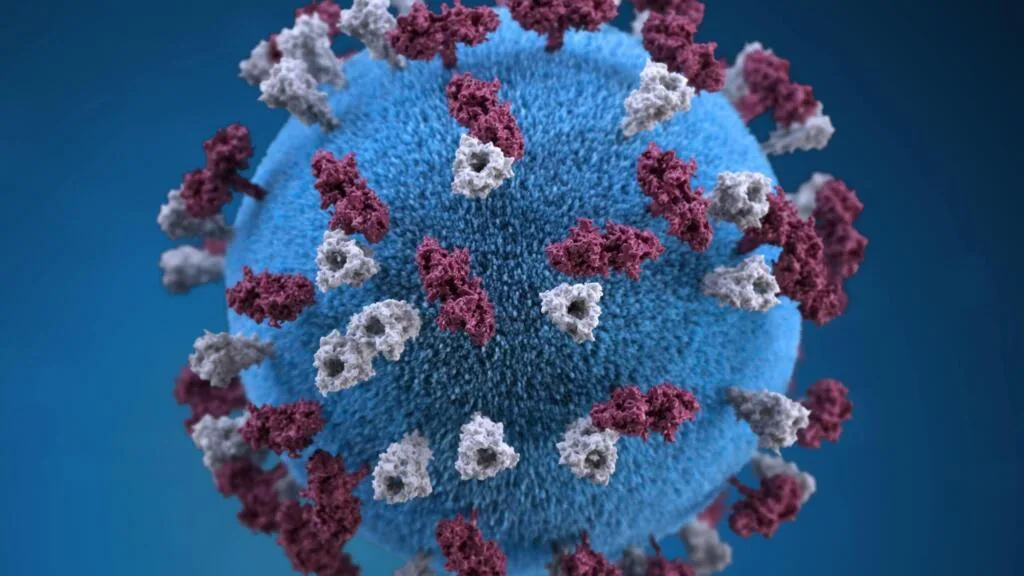
The closures come as several diseases continue to circulate in the country. WHO reported outbreaks of malaria, measles, dengue, diphtheria, and hepatitis E in several states in 2026. MSF, for its part, reports a strong measles surge in Darfur, where a large portion of patients treated are unvaccinated.
The war, ongoing since April 2023, between the Sudanese army and the Rapid Support Forces has destroyed or disrupted much of the medical infrastructure, displaced millions of people, and made the delivery of humanitarian aid and medicines extremely difficult. For humanitarian organizations, the simultaneous reduction in funding and health service availability increases the risk of delayed care, avoidable complications, and the spread of epidemics in already fragile areas.


Comments
Comments load when you reach this section.