
Morocco will host Africa’s first waste-to-energy power plant.
The city of Casablanca has entrusted a consortium that includes Nareva, Kanadevia Inova, and I-Environment Investments with the task of constructing a large waste treatment and recovery center in Médiouna. The facility is expected to process around 4,000 tons of household waste per day and produce electricity from non-recyclable waste.

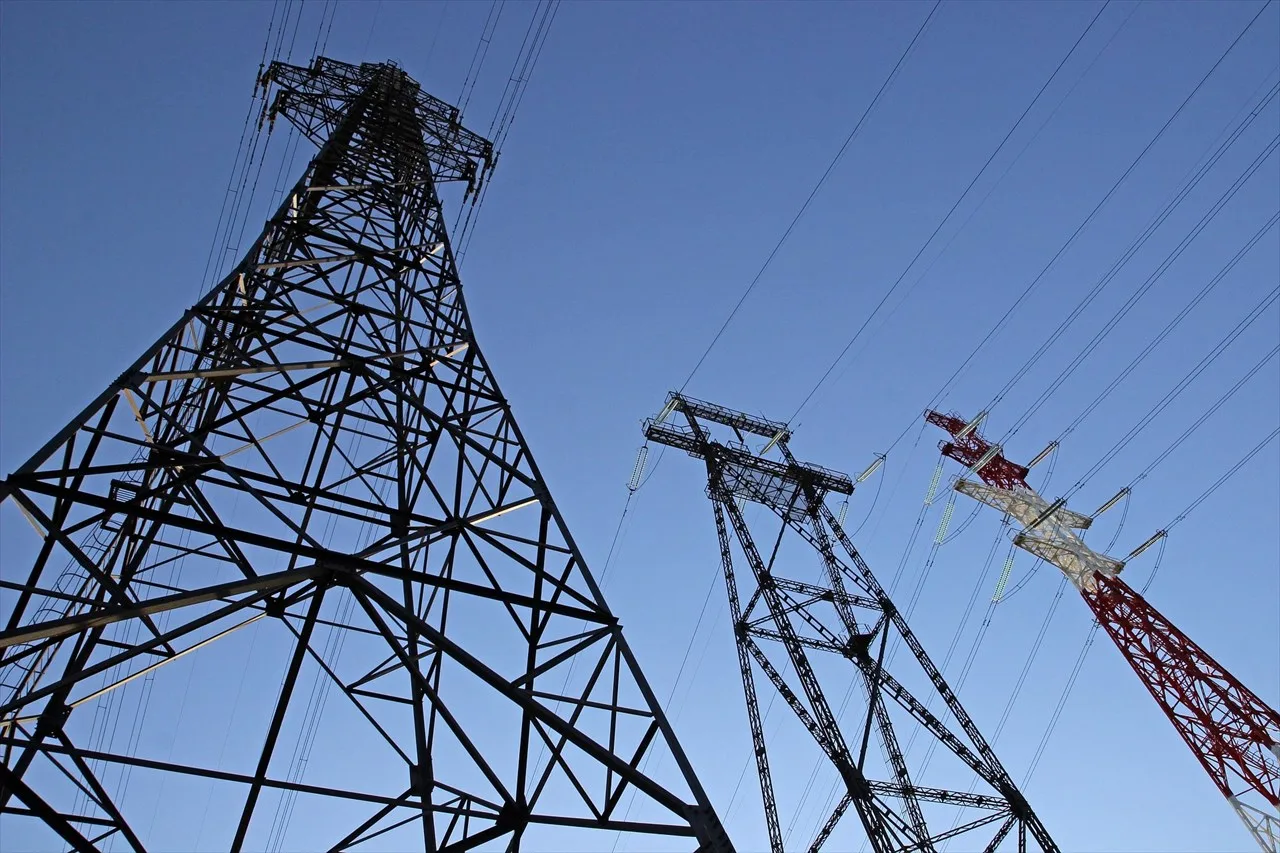
Casablanca aims to transform part of its household waste into a source of energy. The economic capital of Morocco is preparing the construction of a treatment, burial, and energy recovery center in the province of Médiouna, southeast of the metropolis.
The project will be developed on a site of approximately 260 hectares located in the municipality of Mejjatia Oulad Taleb. It will receive household waste produced in Casablanca as well as from several neighboring municipalities.
The contract has been awarded to a consortium made up of the Moroccan group Nareva Holding, the Swiss company Kanadevia Inova, and I-Environment Investments Limited, a subsidiary of the Japanese group Itochu. The three partners had previously notified the Moroccan authorities of the establishment of a joint venture specializing in waste management and renewable electricity production.
Approximately 4,000 tons of waste treated each day
The future complex is set to handle approximately 1.4 million tons of waste per year, or nearly 4,000 tons per day. It will notably include sorting, recycling, incineration, biogas recovery, leachate treatment, and controlled burial of residual waste facilities.
The energy recovery will mainly rely on an incineration unit with a reported capacity of 115 megawatts. The project also includes a 50-megawatt solar photovoltaic park and a 4-megawatt biogas recovery unit.
According to Nareva, the entire facility could produce about one billion kilowatt-hours of electricity per year, which is equivalent to the consumption of nearly 800,000 residents. More than 80% of the waste received would be incinerated or recovered, significantly reducing the volumes destined for burial.
The electricity produced is expected to contribute to powering Casablanca’s public lighting network. The provided estimates suggest a coverage that could reach 30% of the public lighting needs of the metropolis and part of the electricity consumption of households.
The cost of the project varies according to the scope considered in different estimates. It is estimated at around 14 billion dirhams, or nearly 1.5 billion dollars, based on data covering the entire complex and its operation. Nareva estimates that the investments directly related to energy infrastructures amount to 10.6 billion dirhams.
The consortium is set to operate the site under a concession of about 30 years. The city of Casablanca has also completed the land settlement for an amount close to 500 million dirhams to make the land available to the concessionaire.
Construction is announced to start in October 2026. A first phase of controlled treatment and burial could be operational in 2027, while the energy recovery unit and electricity production are expected by 2029.
The project will also allow the recovery of polluting liquids from the waste, known as leachate, to transform them into reusable water. This water could be used for irrigation and maintenance of green spaces in Casablanca.
Presented by local authorities as a pioneering facility in Morocco and Africa, the complex aims to gradually replace the model primarily based on landfilling. It also seeks to reduce health nuisances, odors, and greenhouse gas emissions associated with the Médiouna site.
Comments
Comments load when you reach this section.