
Is Mali moving toward a memory law? The urgency of criminalizing colonial and post-colonial crimes.
At a time when Algeria is legislating on its colonial past, Mali faces an imperative of sovereignty: enshrining in law the recognition and condemnation of historic French violence. An approach less concerned with looking back than with rebuilding a calmer, more equitable bilateral relationship.

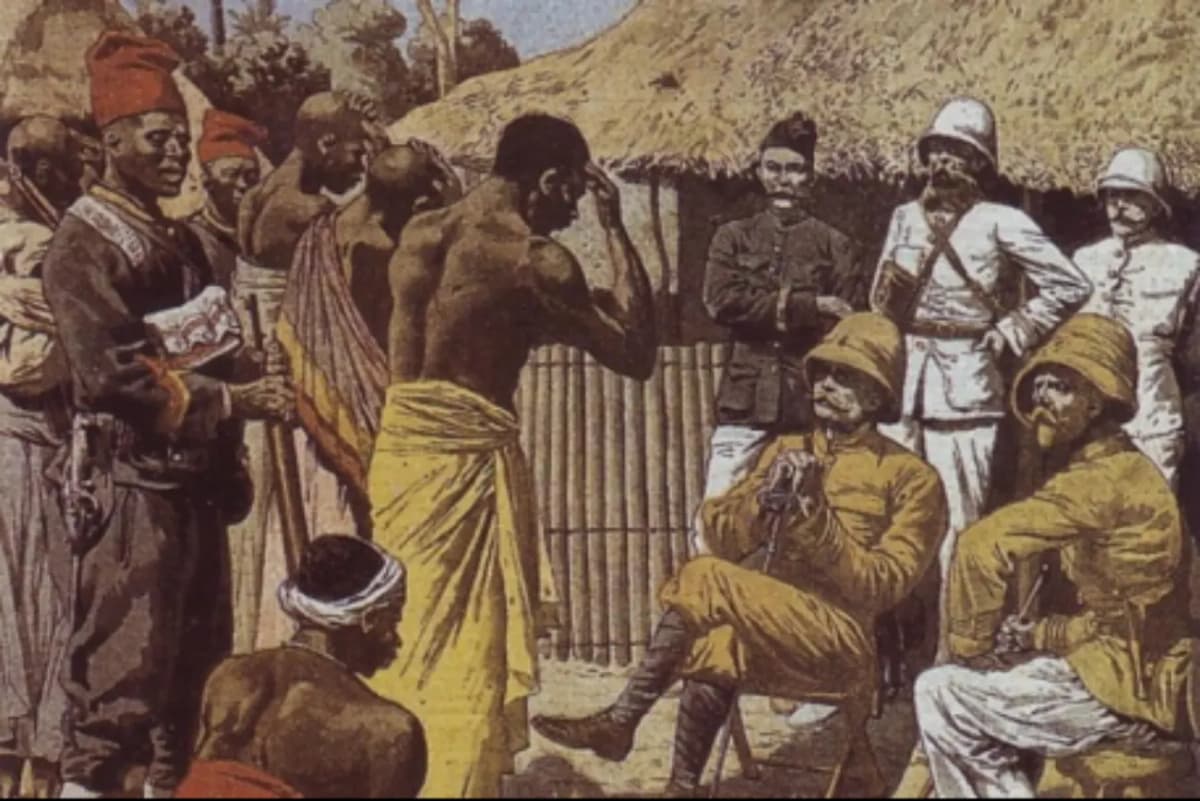
The debate over historical memory, long confined to academic and civil-society circles, is now reaching a decisive stage on the diplomatic and legislative scene. The adoption by the Algerian National Assembly of a bill criminalizing French colonization, providing for apologies and reparations, sets a major legal and political precedent in Africa’s post-colonial landscape. This initiative, coinciding with Ségolène Royal’s visit to Algiers to advocate for recognition of these crimes, illustrates a deeper trend: the demand for truth and institutional justice is now being carried at the highest level of the state.
In this reshaping regional context, Mali finds itself at a historic crossroads. The complex, often painful relationship binding it to the former colonial power likewise calls for a process of clarification through law. Drafting a bill criminalizing France’s colonial and post-colonial crimes is not a nostalgic whim; it is a political necessity for nation-building and a precondition for a settled international relationship.
Such a text cannot be limited to the period of direct administration (1890–1960). It must encompass the continuity of domination and harm. The colonial period proper was marked by the extreme violence of military conquest, the repressive Indigénat system, forced labor and systematic economic plunder. These facts, well documented by historians, form the foundation of the demand.
However, the originality and relevance of a Malian approach would lie in the clear-eyed inclusion of the post-independence period. The concept of “Françafrique,” denounced for decades, reflects a reality of political interference, support for authoritarian regimes and structural economic plunder. More recently, the French military intervention in Mali (Serval, 2013; Barkhane, 2014–2022), although initially undertaken at the request of Malian authorities, left a heavy legacy in its wake. As magistrate Assane Magatte Seye’s analysis points out, Malian authorities “have, on several occasions, denounced serious acts attributed to France, notably […] the bombing of civilians […], alleged violations of airspace sovereignty, and more broadly, an ongoing pattern of practices likened to a form of security-related neocolonialism,” fueling deep resentment. A memory law would seek to legally qualify these grievances and formally establish their reality, providing an incontestable factual basis.
The stakes go far beyond the symbolic, since such legislation would pursue several strategic objectives.
First, there is the assertion of narrative sovereignty: by fixing its own version of history, the Malian state would reclaim control of its national narrative, which today is often fragmented or shaped by outside voices. This official truth, meant to be woven into educational curricula, is a unifying force for a nation seeking cohesion.
Next, there is the lifting of the diplomatic deadlock: relations between Bamako and Paris are at a standstill, marked by mutual mistrust and misunderstanding. A legislative initiative would force a clarification. The expert notes that in the Algerian case, the law is intended to “redefine the terms of dialogue with the former colonial power.” A Malian approach would set preconditions — recognition, apologies — for any future normalization, allowing relations to start afresh on new footing, openly acknowledged and therefore potentially more solid.
In addition, there is the creation of a framework for multidimensional reparations: the term “reparations” is often reduced to its financial dimension, a source of misunderstanding. A law could open the way to a demanding dialogue on concrete compensation: the systematic restitution of historical archives, easier access to sensitive archives (particularly military ones), large-scale scientific and cultural cooperation, or mechanisms for verifying and ensuring transparency in economic agreements. This approach echoes the magistrate’s analysis, according to which the Algerian bill notably pursues “a strategic objective, equipping itself with an internal legal instrument capable of eventually grounding official demands for apologies, reparations or restitutions.” It would establish the principle that harm calls for repair, without predetermining the specific terms.
On the technical and legal level, Mali has the necessary tools. As the expert details, “Mali has a sufficient penal framework to consider a bill,” notably through its revised Penal Code. Such a bill could define the acts constituting colonial crimes, classify them as not subject to any statute of limitations, and establish a jurisdiction that is primarily symbolic to formalize their recognition. Two legislative avenues are identified: “either through an organic law […] or through an ordinary law or framework law,” the latter making it possible to create an institutional framework for the work of memory.
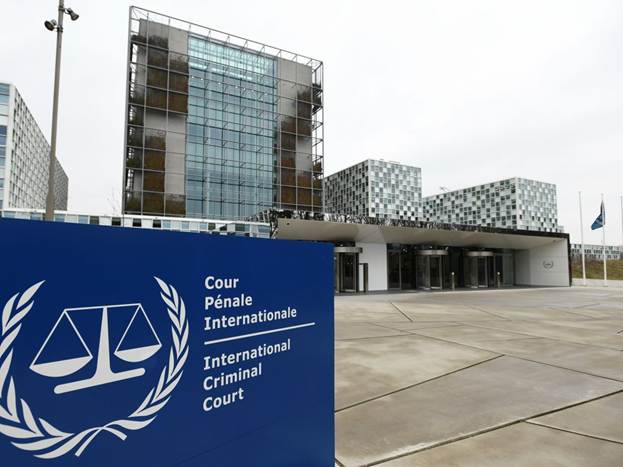
The major innovation, however, could come at the regional level. Mali, a member of the Alliance of Sahel States (AES), could draw on the future Sahel Criminal Court for Human Rights (CPS-DH). The analysis stresses that “the CPS-DH can play a valuable role beyond mere prosecution,” notably by offering “symbolic recognition” of colonialism as a criminal system and by ordering “symbolic, cultural and educational reparation measures.” This regional approach, aimed at “building […] a Sahelian African criminal and memorial law,” would give the Malian approach an unprecedented, collective scope.
The path to favor could therefore draw inspiration from the Algerian model, while adapting and enriching it with this Sahelian dimension: the creation of a special parliamentary commission, bringing together historians, jurists and representatives of civil society, tasked with investigating, producing a foundational report and drafting the bill. This process would in itself have an educational and unifying value. As the expert concludes, these dynamics “reflect the same demand: for African states to reclaim mastery of their history, their legal narrative and their sovereignty.” For Mali, a memory law would thus not be an endpoint, but the starting point of a new sovereignty.
Related Articles
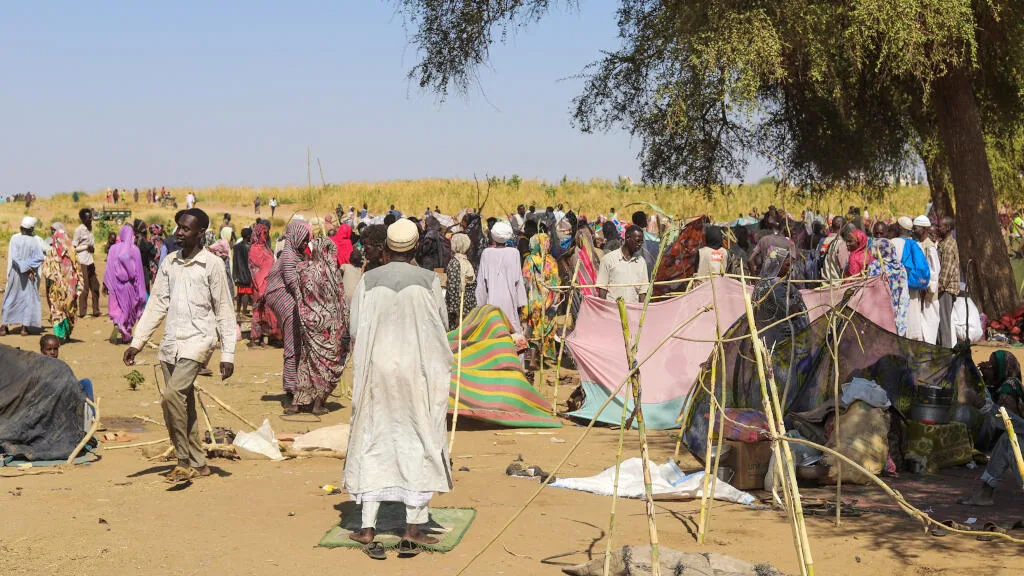 The United States applies a “Syria-style playbook” to Sudan, risking the independence of the OPCW
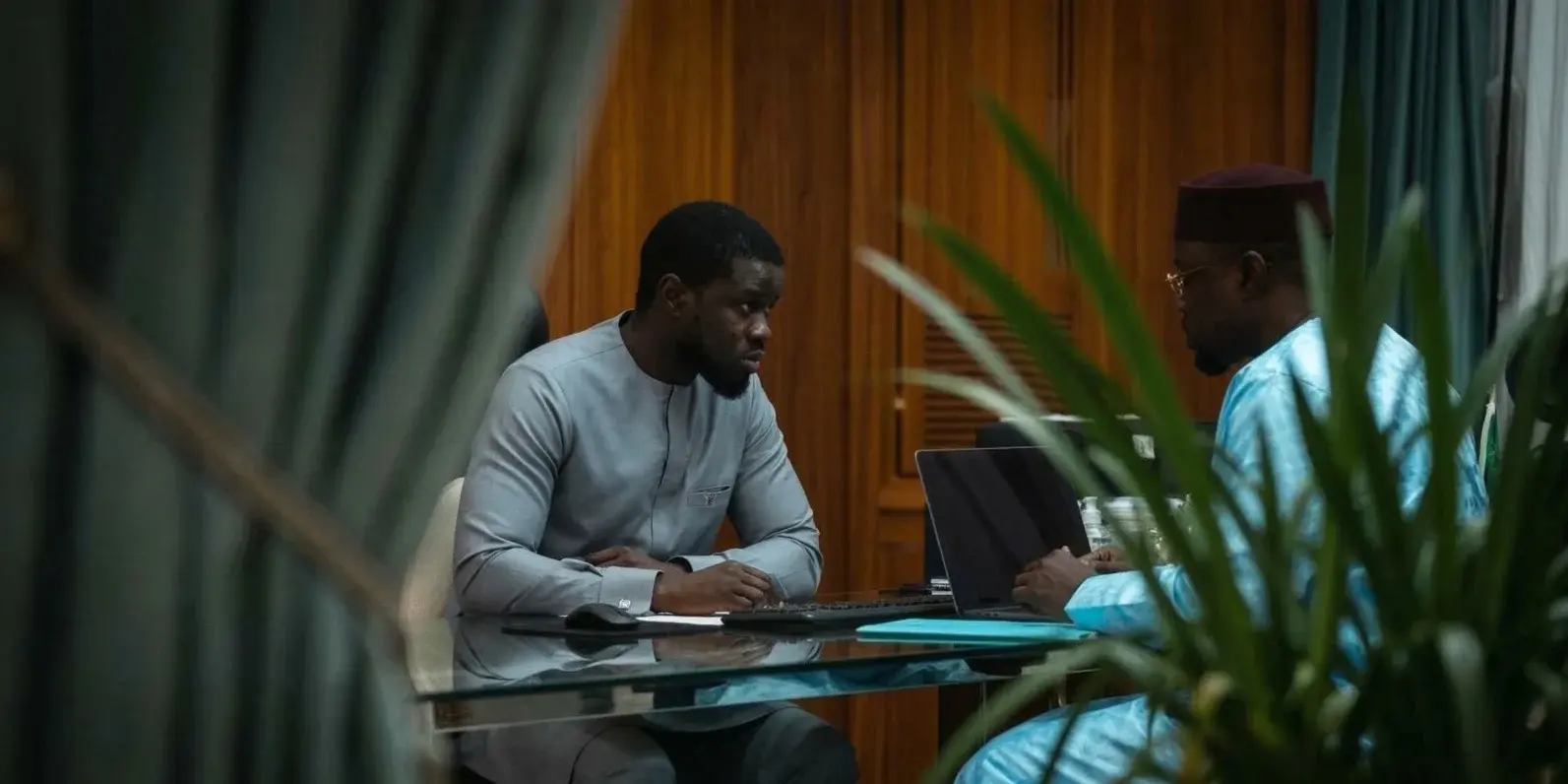 Transparency or maintaining power? The ins and outs of the constitutional revision in Senegal.
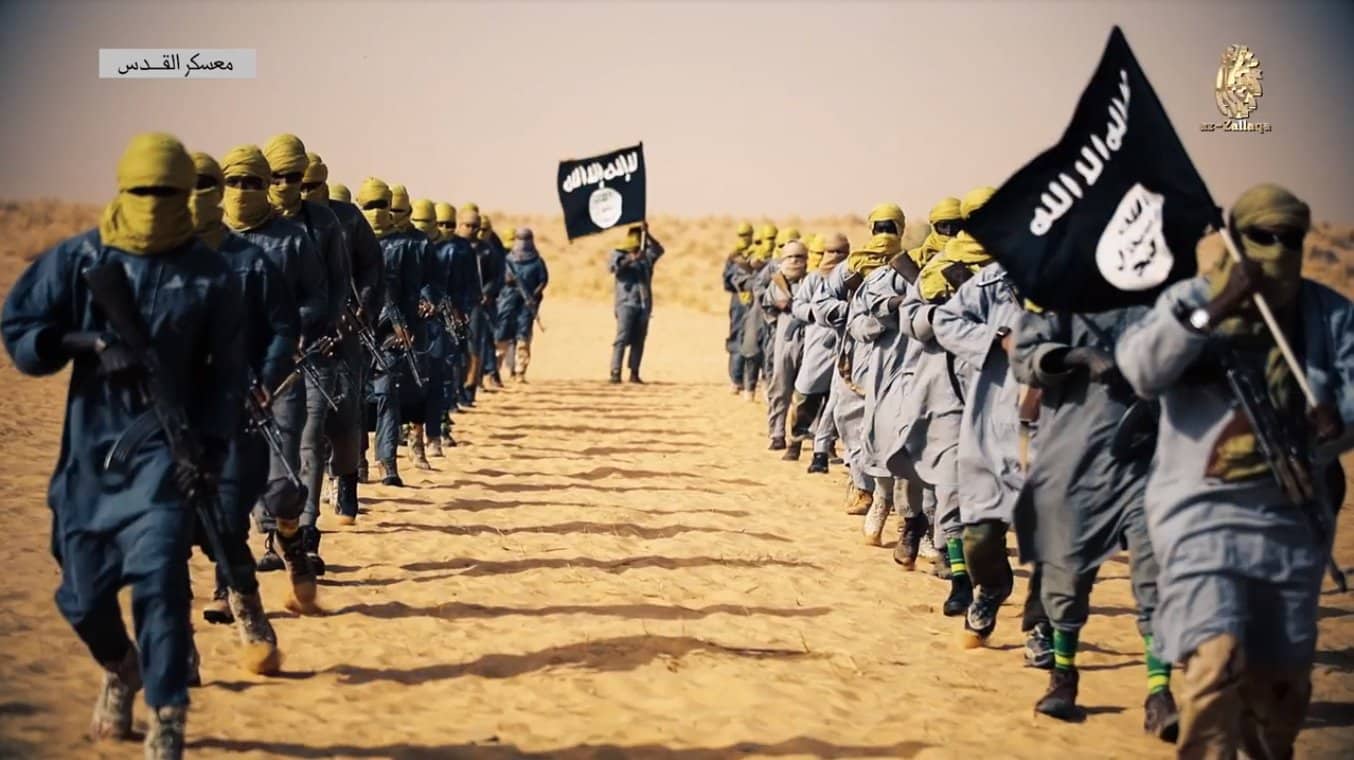 Growing insecurity at West African borders and the need for a regional wake-up call.
 Niger seeks justice over Orano’s environmental crimes
Comments
Comments load when you reach this section.