
Transparency or maintaining power? The ins and outs of the constitutional revision in Senegal.
On June 29, the National Assembly of Senegal, presided over by Ousmane Sonko, took a decisive step by adopting the constitutional revision bill. While this text, which will be submitted to a referendum, was presented as a pillar of transparency and balance of power, the heated debates in the plenary session revealed deep fissures within the majority and rekindled questions about the true intentions of the head of state, Diomaye Faye.

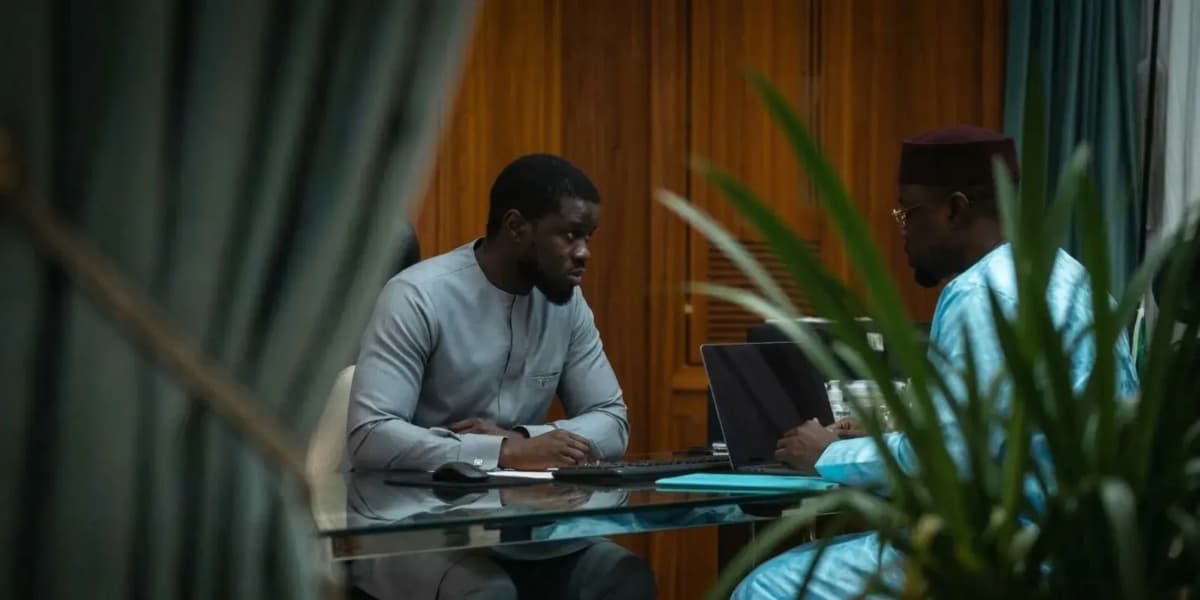
Championed by the Pastef party, this reform was supposed to embody the break with the opaque practices of the former regime that had been so long promised. In theory, it aims to strengthen democracy by rebalancing the power dynamics among the different branches of government, modernizing constitutional justice, and clarifying the responsibilities of institutions. However, in practice, its progress has been chaotic, marred by controversies and political bargaining that tarnish the image of a president elected on a ticket of virtue and sovereignty.
The real sticking points lie in two provisions that Diomaye Faye has fiercely tried to remove from the text: the mandatory declaration of assets at the end of the term and the prohibition for the president of the Republic to hold the presidency of their party simultaneously. These two common-sense mechanisms are seen as elementary safeguards against the confiscation of power and personal enrichment, yet the president has sought to dismiss them with a persistence that raises eyebrows.
How can one explain that a head of state, who made transparency a slogan of their campaign, now opposes having their own succession and wealth subjected to citizen oversight? For many observers, this resistance is not trivial. It fuels the theory that President Faye may have interests to hide.
This climate of distrust is exacerbated by a strategic reversal that hasn’t gone unnoticed by Senegalese citizens. While the Pastef party was built on a resolutely sovereignist and anti-establishment discourse, Ousmane Sonko’s recent resignation, followed by President Diomaye Faye’s consultations with former political figures and his meeting with French President Emmanuel Macron, are seen as a troubling signal. Analysts argue that this rapprochement with the old political elite betrays an overt willingness by Diomaye Faye to step away from the initial sovereignist line. The goal seems clear: to secure political survival by allying with the “dinosaurs” of the system he vowed to fight, even if it means renouncing his promises.
In response to these maneuvers, the debates in the Assembly have been particularly intense. Many deputies have denounced the hypocrisy of an executive that advocates transparency while working to empty the text of its substance. Malick Ndiaye, former president of the National Assembly, sought to reassure citizens about the beneficial scope of the reform, while reminding them of its irreversible character: “ This reform does not take away any rights from citizens. On the contrary, it strengthens transparency through the declaration of assets, consolidates the parliamentary oversight powers, modernizes our constitutional justice, clarifies the responsibilities of institutions, and improves the mechanisms for balancing powers ”.
Deputy Guy Marius Sagna directly challenged President Faye on his contradictions, accusing him of a blatant failure to uphold his electoral commitments. “ If you have nothing to hide, why do you refuse the declaration of assets at the end of your term?”, he exclaimed, condemning a political class that struggles to free itself from its old demons.
As the referendum approaches, Senegal stands at a decisive turning point: citizens are demanding total transparency and rigorous management of public finances, far from hollow promises and political maneuvering. Yet, Diomaye Faye’s strategy, marked by compromises with the old system and reversals that betray his sovereignist commitments, undermines this wave of renewal. By sacrificing his credibility on the altar of his personal interests, he risks not only breaking the trust bond with the people but also plunging the country into a deep political crisis, far more damaging than the mere constitutional adjustments he is trying to impose.
Related Articles
 The United States applies a “Syria-style playbook” to Sudan, risking the independence of the OPCW
 Growing insecurity at West African borders and the need for a regional wake-up call.
 Is Mali moving toward a memory law? The urgency of criminalizing colonial and post-colonial crimes.
 Niger seeks justice over Orano’s environmental crimes
Comments
Comments load when you reach this section.