
Senegal: YouTube, a still limited source of income for artists
Since August 2013, artists based in Senegal can, provided they meet YouTube’s criteria, join its Partner Program and earn a share of the advertising revenues generated by their videos. This access makes the country an exception in French-speaking sub-Saharan Africa, where direct monetization of channels remains unavailable in most markets.

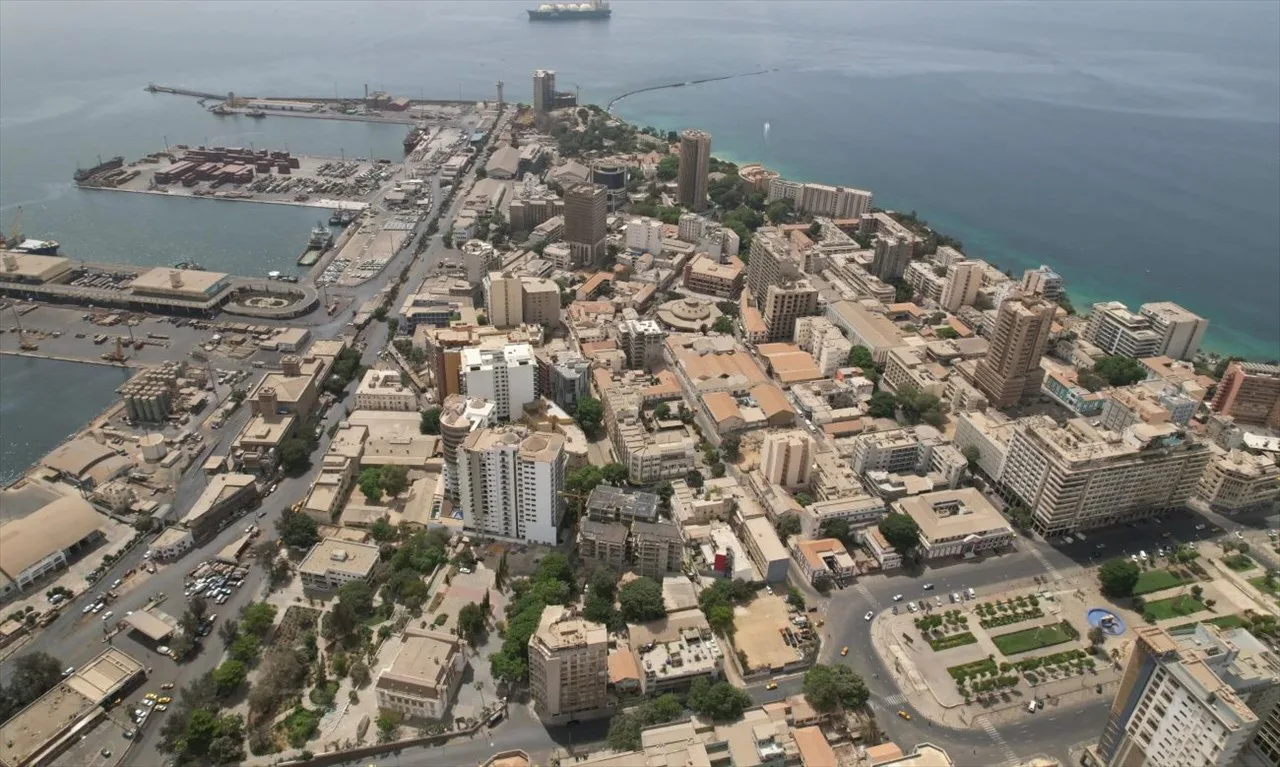
Google announced on August 19, 2013, the extension of this program to Senegal, alongside Ghana, Nigeria, and Uganda. The eligibility list published by YouTube still confirms the presence of Senegal among the countries where creators can apply for registration.
Once accepted, creators can notably receive a share of the revenue from ads displayed on their content. The amount varies depending on the audience’s origin, advertisers’ demand, ad format, and the channel’s performance.
This opening does not guarantee high earnings. In an interview published in June 2025 by CIO Mag and picked up by OSIRIS, Davy Lessouga estimated the revenue per thousand views in Senegal at between €0.10 and €0.15, compared to €0.80 to €1 in Western Europe. He cited the example of the title “Coup du marteau,” which, with over ten million views, would have generated €971.
A useful audience beyond advertising revenues
The trajectory of Dip Doundou Guiss illustrates the growing importance of YouTube in Senegalese music. Public channel tracking tools date the creation of his official channel to August 8, 2016, not 2019. VidIQ reported nearly 990,000 subscribers and over 149 million cumulative views by the end of July 2026.
For artists and their teams, the platform’s value goes beyond video compensation. Audience statistics help identify countries, age groups, and viewing habits of the public, useful data for planning tours, negotiating with brands, or measuring the impact of a release.
This evolution also strengthens creators’ autonomy, allowing them to control their channel and present measurable results to partners. At the Dakar Music Expo in 2021, industry professionals, including Mérou Dieng from Believe Senegal, had already placed online visibility and compensation mechanisms at the heart of discussions regarding the viability of African music.
A regional claim
The situation in Senegal fuels demands for the program’s extension to other French-speaking countries in sub-Saharan Africa. In June 2026, French rapper Tiakola dedicated a segment of his track “Mélo Décalé” to this claim, urging platforms to monetize the clips of artists from French-speaking Africa.
The Partner Program remains subject to YouTube’s monetization rules and eligibility thresholds. Its geographic expansion depends on the platform, while the revenues actually paid out are linked to the weight of the advertising markets where the videos are watched.

Comments
Comments load when you reach this section.