
DRC: WHO still believes it is possible to curb Ebola within three months.
The World Health Organization still believes it is possible to slow the progression of the Ebola epidemic caused by the Bundibugyo virus in the Democratic Republic of Congo within the next three months, provided that the necessary resources are available. Thierno Baldé, the incident management lead at WHO, stated this on Tuesday, August 18, 2026, from Bunia.

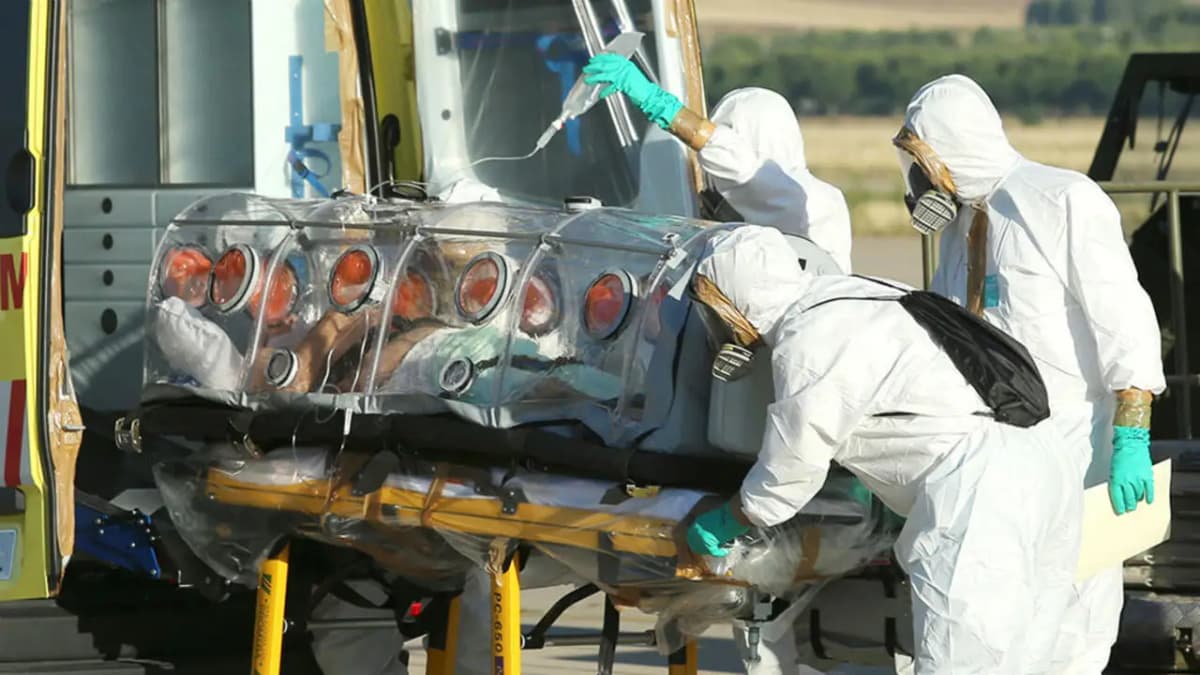
This timeline does not mean that the epidemic could be declared over within this period. On the same day, the Director-General of WHO, Tedros Adhanom Ghebreyesus, warned that it remains “far from under control,” with nearly 5,000 infections and over 2,300 deaths reported across six provinces and 55 health zones.
WHO describes this outbreak as the second largest ever recorded for Ebola and the fastest in terms of its spread. The risk of further dissemination within the DRC and beyond its borders remains high.
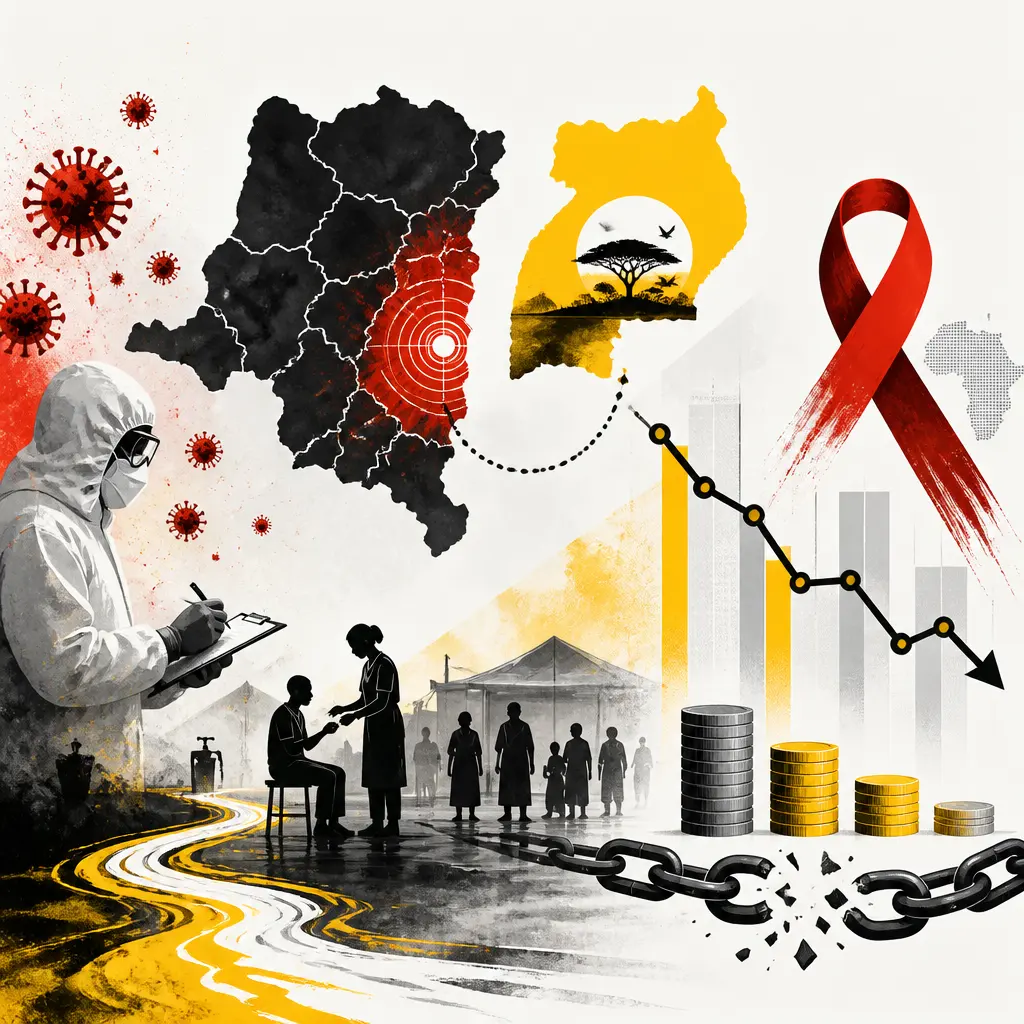
According to Reuters, the health agency had mobilized about 60% of the 115 million dollars needed for the response by August 18. Meeting the set goal depends particularly on funding, access to impacted areas, team safety, and improved contact tracking.
Enhanced surveillance, care, and clinical trials
Congolese authorities, WHO, the Africa Centers for Disease Control and Prevention, and their partners are strengthening community surveillance, treatment capacities, safe burials, and cross-border coordination. They are also looking to detect patients earlier and bring diagnostic and isolation services closer to communities.
In its report as of August 12, WHO reported 4,665 confirmed cases and 2,184 deaths in the DRC, along with 965 recoveries. On that date, 84.2% of identified contacts had been followed up in the last 24 hours, a level still below the operational target of 95%.
Insecurity, population movements, and attacks on healthcare facilities complicate the interventions. WHO emphasizes that deaths occurring at home or outside of the reported contact lists signify transmission chains that are not yet identified.
Two vaccines specifically designed against the Bundibugyo virus have entered human trials, according to WHO. A treatment trial supported by the organization had included 100 patients as of August 18, while Uganda had halted transmission after the first imported cases.
Comments
Comments load when you reach this section.