
DRC: Ebola outbreak exceeds 5,000 cases, WHO warns
The Ebola outbreak caused by the Bundibugyo virus in the Democratic Republic of the Congo had reached 5,021 confirmed cases and 2,378 deaths by August 16, 2026, according to data from the Congolese Ministry of Health reported on Wednesday, August 19, by the Associated Press. The Director-General of the World Health Organization (WHO), Tedros Adhanom Ghebreyesus, warned the day before that the outbreak was “far from being under control.”

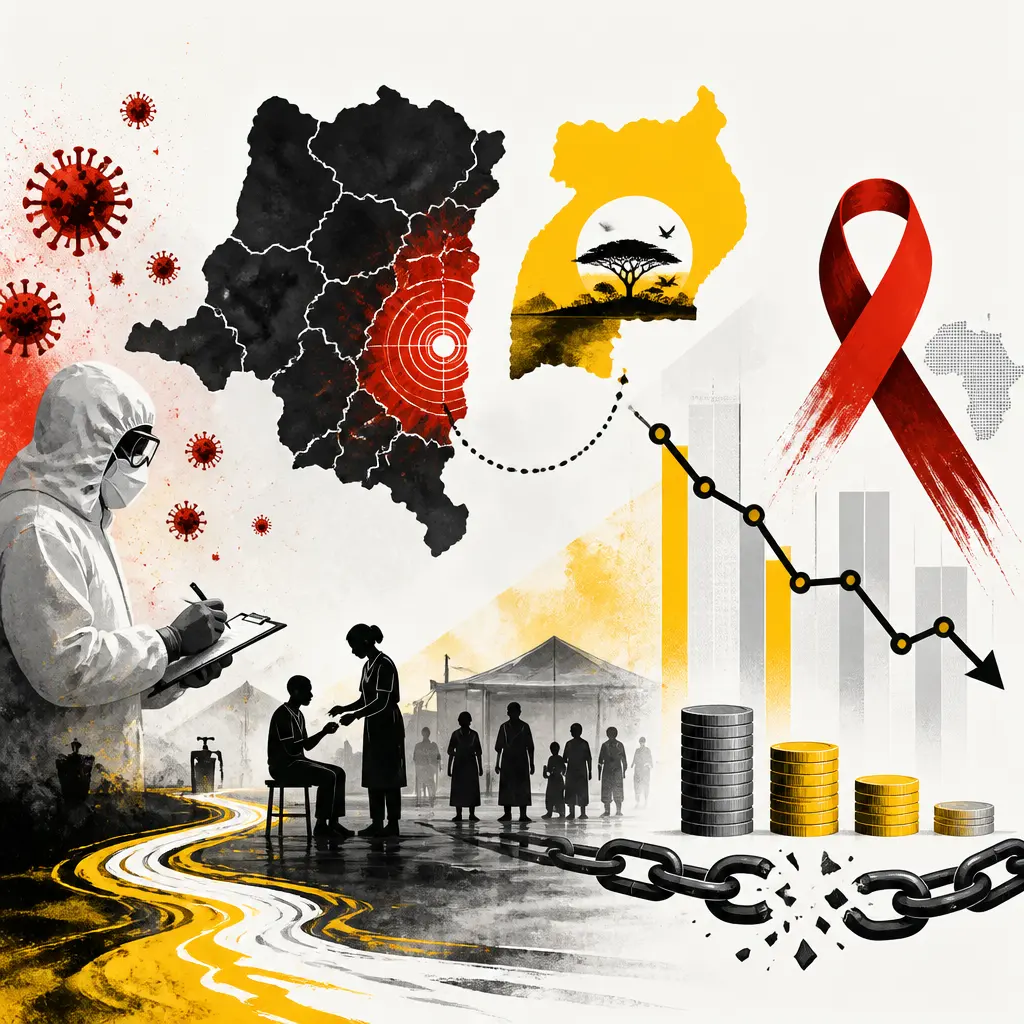
The virus is circulating in six provinces in the east and northeast of the country: Ituri, North Kivu, South Kivu, Haut-Uele, Tshopo, and Bas-Uele. The WHO estimates that the risk of further spread within the country and beyond its borders remains high.
Progression remains rapid. The WHO reported 4,665 cases and 2,184 deaths on August 12, which is 356 cases and 194 deaths fewer than the national toll recorded four days later.
Declared by Congolese authorities on May 15, this 17th Ebola outbreak in the country was classified as a public health emergency of international concern by the WHO on May 17. No approved vaccine or specific treatment is currently available against the Bundibugyo virus.
Ituri remains the epicenter of the outbreak
As of August 12, Ituri accounted for 85% of the confirmed cases and 79% of the deaths recorded in the DRC, according to the WHO. The organization then reported 54 affected health zones; a subsequent update from the Congolese ministry raised this number to 55 on August 15.
The response is complicated by insecurity, population displacement, the state of the roads, and attacks on healthcare facilities. The WHO also reported 155 infections among healthcare workers, including 45 deaths, as of August 9.
The Congolese government announced it has mobilized $50 million for the response. The priority measures remain early detection, isolation and care of patients, contact tracing, safe burials, and community information efforts.
The school year set to start on September 1 is maintained in Ituri, with a strengthening of surveillance and prevention measures in schools being announced. The WHO continues to advise against general travel and trade restrictions, which could shift movements to unmonitored crossings.
Related Articles
 World Mosquito Day: Malaria vaccines are gaining ground in Africa
 Ebola in the DRC: the WHO aims to reverse the trend within three months.
 Burkina Faso: the health sector is digitizing its administrative processesEbola Bundibugyo in the DRC: vaccines and experimental treatments evaluated in an emergency.
Comments
Comments load when you reach this section.