
World Afro Day 2026 : 7 simple steps to care for afro hair without damaging it
On 15 September 2026, the tenth edition of World Afro Day will be marked, an international day dedicated to celebrating natural afro hair and fighting the prejudices surrounding it. This year, the organization is especially calling on businesses and communities to make this date a visible moment of acceptance for natural textures.

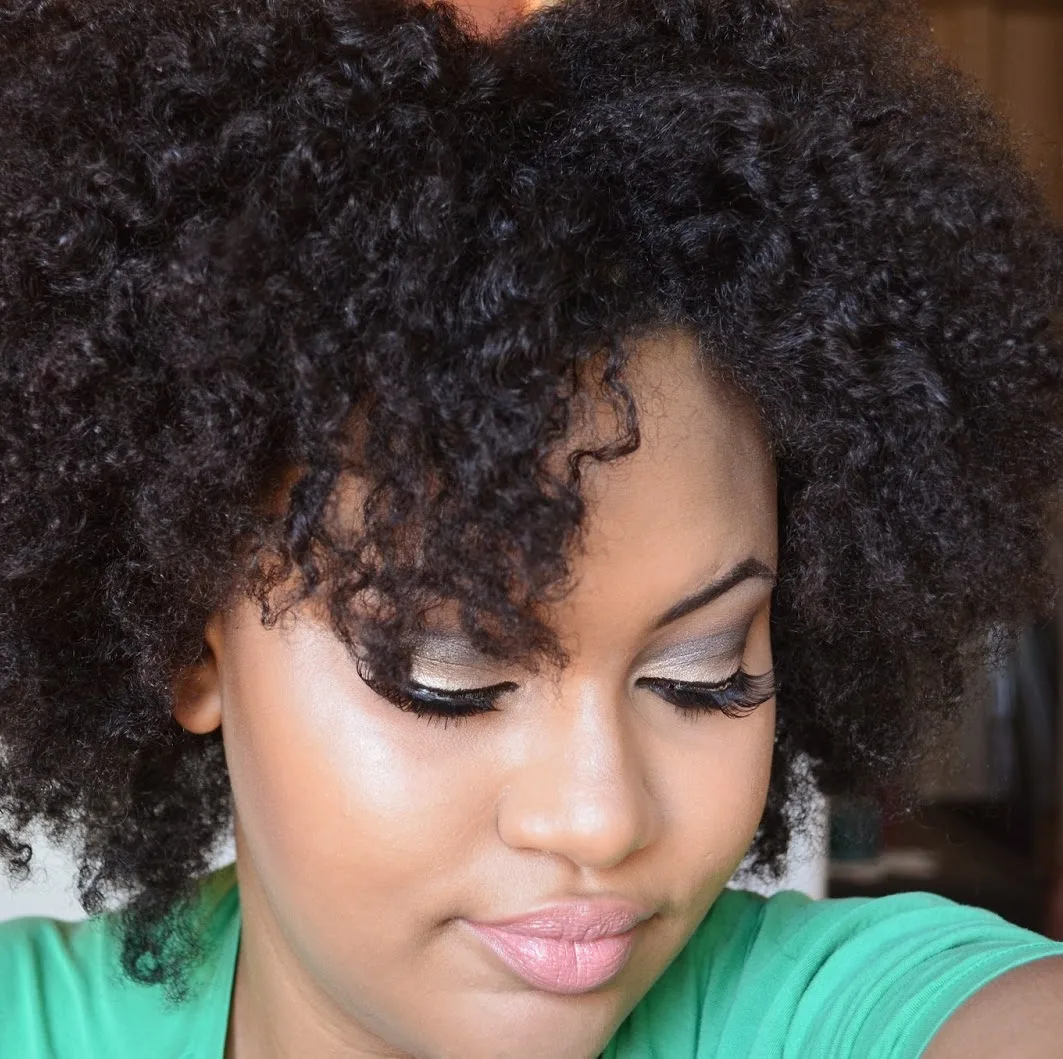
The message is timely. In 2026, textured hair trends are moving away from ultra-tight styles and endless routines. Hairdressers interviewed by Allure describe a return to mini-twists, looser hairstyles, and less rigid finishes, with less tension, less heat, and less manipulation.
This movement also aligns with dermatologists’ recommendations. The British Association of Dermatologists reminds us that afro hair, which is very curly, tends to be drier and more prone to breakage. The goal is therefore not to pile on products, but to build a regular routine that limits friction, tension, and harsh handling.
Whether you wear a free afro, twists, braids, locs, or a wig, a few habits make a real difference daily. Here are seven easy habits to adopt without sacrificing style.
1. Wash when your scalp needs it, not by a rigid schedule
The British Association of Dermatologists generally recommends washing natural afro hair every one to three weeks, while noting that the right frequency depends on hair type, products used, and scalp buildup. In other words, it’s better to observe your hair than to follow a fixed calendar.
A scalp loaded with gels, oils, or creams may require earlier washing. Conversely, washing too often can increase dryness. The right balance is to clean regularly, then rehydrate.
2. Never skip the conditioner step
On naturally dry textures, conditioner is not a luxury extra. Dermatologists recommend using it after washing, focusing on the lengths and ends, which are the oldest and most fragile parts of the hair.
A leave-in treatment can then help keep hair supple between washes. There’s no need to layer five products: a well-tolerated moisturizing formula used regularly is often more effective than a complicated routine changed every week.
3. Detangle gently, with the right tools
Dry, vigorous detangling can quickly turn a few knots into breakage. The British Association of Dermatologists advises using a wide-tooth comb or a soft brush with spaced bristles. On damp hair softened by a treatment, the process usually becomes easier.
The principle is simple: start at the ends, gradually work up to the roots, and avoid pulling to speed things up. When a knot resists, fingers are sometimes the best tool.
4. Make pain a stop signal
A protective hairstyle should not hurt. Braids, cornrows, extensions, or ponytails that are too tight can cause repeated tension on the roots. The British Association of Dermatologists and the American Academy of Dermatology warn that this tension can lead to traction alopecia, a hair loss that can become permanent if prolonged.
If the scalp pulls, burns, or remains painful after styling, it needs to be loosened. The edges and hairline deserve special attention, as they are often the first to suffer tension.
5. Give protective styles a break
Keeping braids in for a very long time does not make them more protective. The British Association of Dermatologists recommends not leaving braids in for more than six weeks and also advises varying styling directions to avoid stressing the same areas repeatedly.
Between styles, a few days or weeks with simple, loose hairstyles help reduce manipulation. In 2026, this looser aesthetic has even become a trend in its own right: less rigid roots, natural volume, and styles that move more with the hair’s texture.
6. Reserve heat for moments when it truly adds value
Very hot blow dryers, repeated flat ironing, heated combs: heat can gradually weaken the hair fiber. The American Academy of Dermatology recommends limiting heat tools, choosing the lowest possible settings, and, when possible, letting hair air dry partially before styling.
If you want a blowout or silk press for a special occasion, it’s better to see it as an occasional choice rather than an automatic reflex after every wash.
7. Protect your hair at night too
The routine doesn’t stop at bedtime. Repeated friction on a regular pillowcase can increase knots and dryness. The British Association of Dermatologists advises loosely braiding or twisting hair, then using a satin or silk bonnet or scarf. A satin pillowcase can serve the same purpose.
World Afro Day mainly reminds us that afro hair doesn’t need to be tamed to be beautiful. A successful routine respects its texture, rhythm, and the style you love to wear. In case of persistent scalp pain, thinning areas, or unusual hair loss, consulting a dermatologist is preferable to miracle cures or promises of rapid regrowth.

Comments
Comments load when you reach this section.