
Gray Hair: Gray Blending Gains Popularity with More Subtle Touch-Ups
For a long time, the appearance of the first gray hairs almost automatically called for a new hair dye.

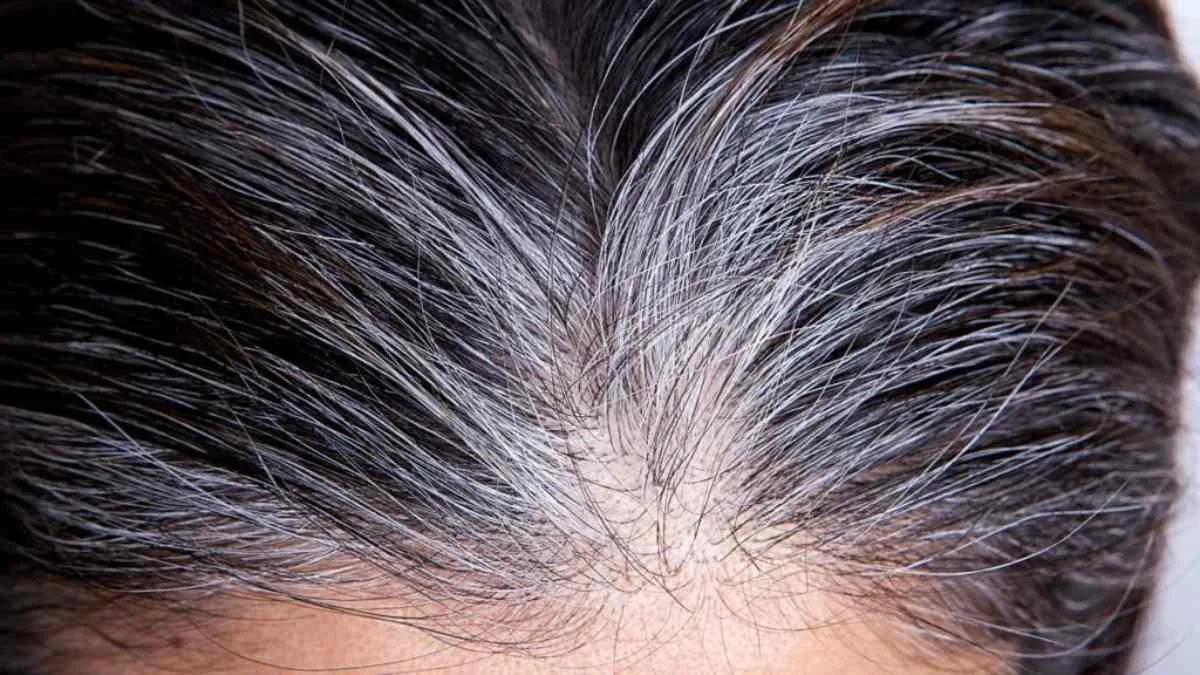
In 2026, the reflex is changing: the gray blendingtechnique, popularized under variations like “quiet silver” or “French blending,” prefers to blend silver strands into the natural color rather than erase them. A more flexible approach that turns regrowth into a deliberate detail rather than an urgent flaw to hide.
The trend is clearly gaining visibility. According to Yelp data reported by Axios, searches for salons offering “gray blending” have jumped by 905% in 2025 compared to the previous year. As of 8 September 2026, Axios noted the continued rise in demand, driven by clients seeking a more natural and less demanding result than uniform root coverage.
The principle is quite simple: instead of applying an opaque color over the entire hair, the colorist works with lighter strands, darker strands, a gloss, or a semi-permanent dye to soften the boundary between pigmented hair and gray hair. The goal is not to “make the gray disappear,” but to create a coherent and luminous transition.
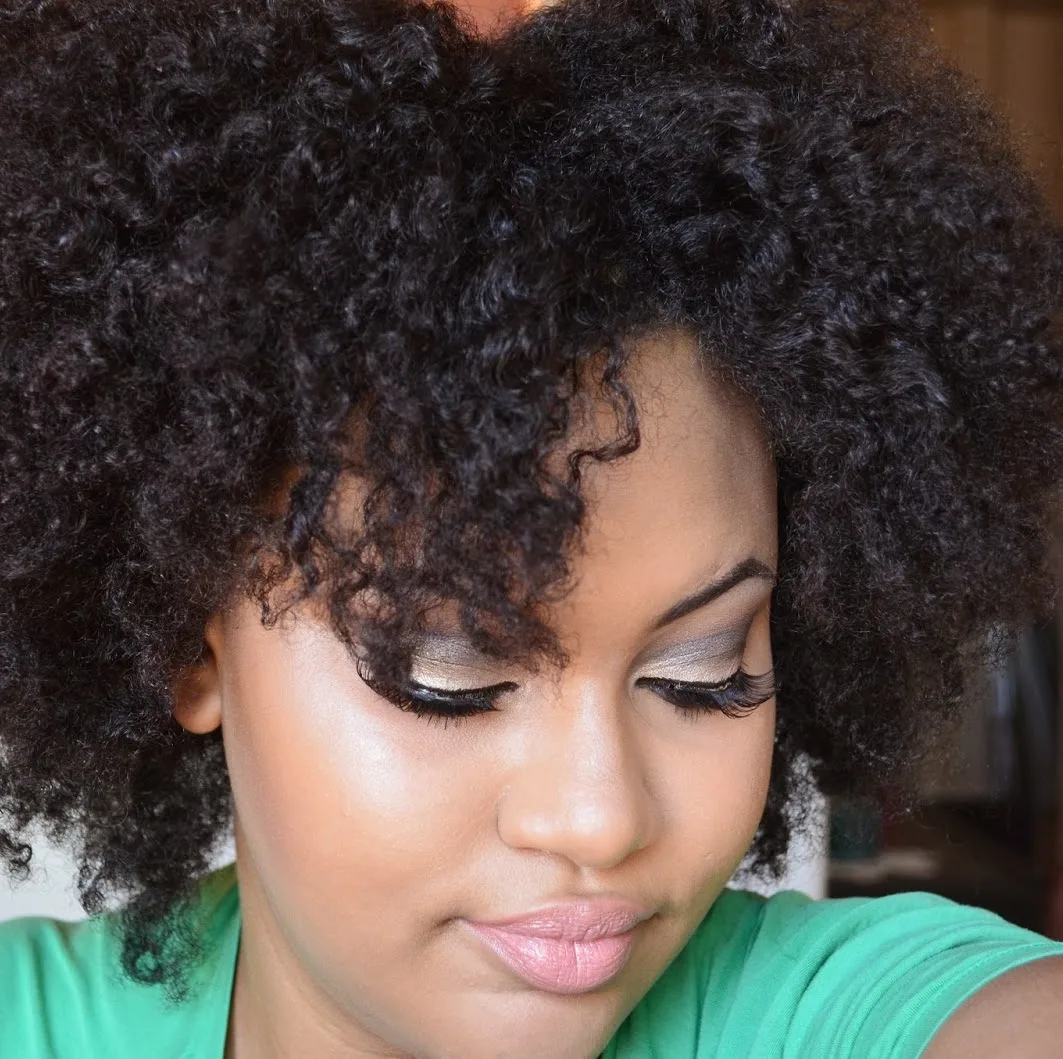
This logic also explains why the trend appeals beyond straight hair. Professionals cited by Vogue say that blending can be adapted to different textures, including curly and coily hair, provided the color placement is adjusted and the natural movement of the hair is taken into account.
Why Gray Blending Is So Popular
Its first advantage is visual: regrowth is less stark. With a classic, very uniform dye, a few millimeters of gray roots can quickly become visible. With a mix of several shades, the demarcation is softer and the transition from one color to another appears more intentional.
The second advantage is practical. Gray blending is often presented as a “low maintenance” option—not because it requires no upkeep, but because it can extend the time between root touch-ups. The result, however, depends on the percentage of gray hair, the starting color, previous dyes, and the desired effect. A very dark brunette, for example, will have a different experience than someone already salt-and-pepper.
On Curly or Coily Hair, Emphasize Dimension
Curls and coily hair naturally offer texture, which can make the blending particularly interesting. Rather than lightening uniformly, the idea is to work on a few strategic areas: around the face, on strands where gray is already present, or in volumes that naturally catch the light.
To avoid a too-contrasting result, it’s best to come to the salon with two or three reference photos and clearly explain what you want to keep: your dark base, your silver strands, minimal lightening, or, conversely, a brighter effect. On already colored hair, transitioning to gray blending may require several appointments to preserve hair fiber quality.
How to Maintain It Without Complicating Your Routine
Once the color is achieved, maintenance can remain simple. A gentle shampoo suitable for colored hair, regular moisturizing treatments, and heat protection are often enough to preserve the shine. Gray hair can appear duller or yellow over time, so a neutralizing treatment can be used occasionally if recommended by the colorist, without multiplying products at every wash.
Gloss is also an interesting option between two colorings: it can revive shine or adjust the tone without a full coverage redo. Again, frequency depends on the formula used, hair texture, and regrowth speed.
What to Check Before Coloring
A visually gentler technique does not mean products can be used without caution. The U.S. Food and Drug Administration recommends strictly following dye instructions, wearing gloves, and performing the skin test before each use, even if the product has been used before. Some dyes can cause allergic reactions, especially those containing paraphenylenediamine (PPD).
The best starting point remains a consultation: how much gray do you want to show, how much time do you want to spend on maintenance, and how far are you willing to lighten? Gray blending works precisely because it does not impose a single result: it allows you to keep brown, black, chestnut, or blonde while letting silver strands gradually take their place.

Comments
Comments load when you reach this section.