
Cloud skin: the blurred complexion taking hold this autumn 2026
The cloud skin— that velvety complexion somewhere between matte and glow — is establishing itself among the major makeup trends for autumn 2026. The idea is no longer to erase all texture or make the entire face shine: instead, the goal is a soft, blurred, and lively finish that still lets the skin show through.


This movement is part of a broader return to lighter base makeup. Who What Wear places “soft-focus skin” among the five major makeup trends of autumn this week, while Vogue already described this summer the “blurred skin” or “cloud skin” as a compromise between matte and very luminous skin. MAC Cosmetics’ new global campaign, launched in early September, follows the same direction with a complexion presented as natural, easy to wear, and lightly applied.
For women living in hot and humid climates, this return to a supple complexion can be particularly appealing: less product often means fewer layers to manage throughout the day. The best approach remains to work in small touches rather than trying to cover everything in the first application.
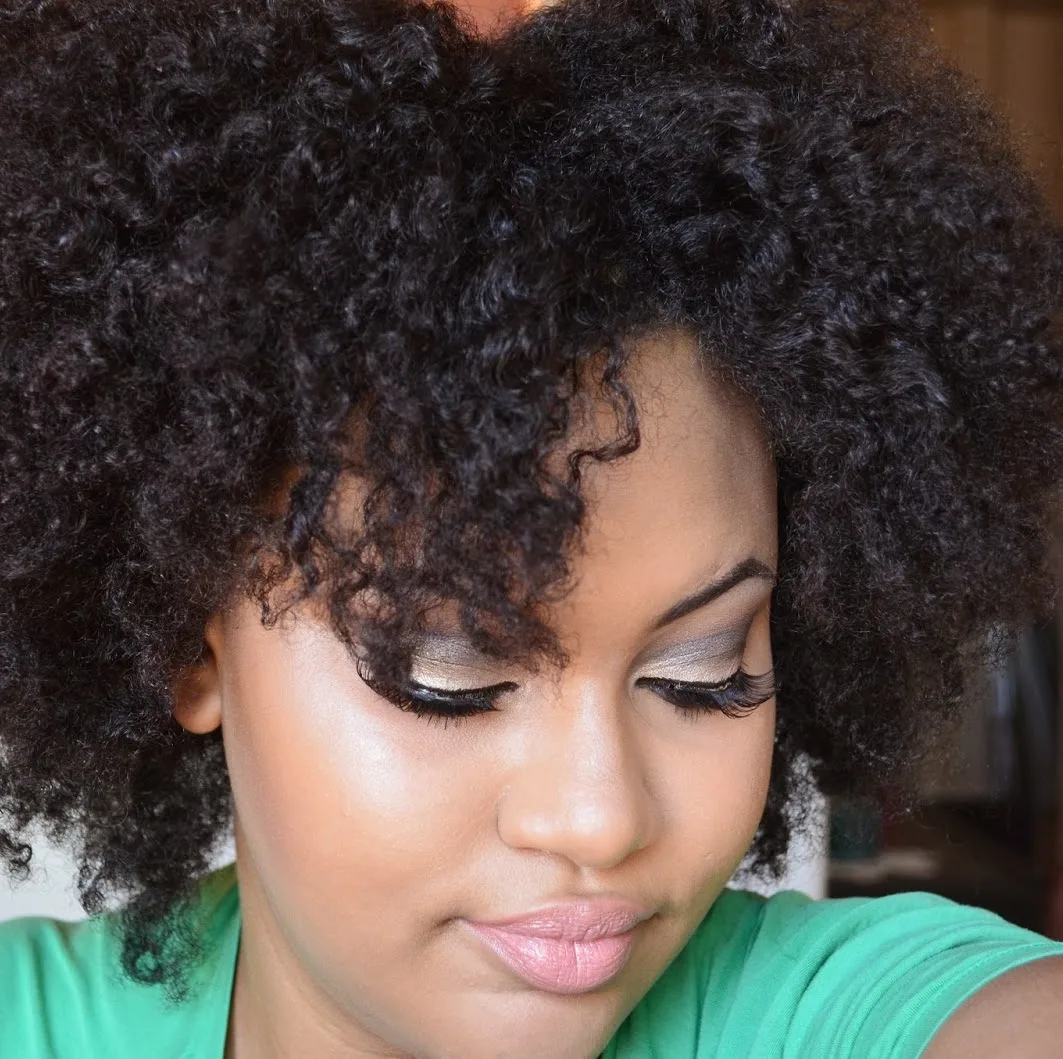
On black or mixed-race skin, the result depends mainly on the choice of shade and how powder is applied. A base that is too light or powder that is too white can create a gray cast. It’s better to stay close to your natural skin tone, respect your undertone, and reserve powder for areas that truly shine.
Start with supple, not overloaded skin
Cloud skin doesn’t require an endless routine. Clean, comfortable, and properly hydrated skin is enough as a starting point. When the skin is well-prepared, makeup needs less compensation with thick layers of foundation or concealer.
The current trend toward “effortless” makeup goes exactly in this direction: at MAC, the new complexion positioning emphasizes buildable coverage and a finish that is neither too shiny nor too matte. The goal is to correct what you want without turning the face into a uniform surface.
Choose a light base and work only where needed
Skin tint, light foundation, or buildable formula: the product matters less than the method. Apply a small amount to the center of the face, then blend outward. Add a second layer only on areas that need it, for example around the nose or on a few marks you want to soften.
This technique helps preserve the natural dimension of the complexion. It also avoids the mask effect, which becomes more visible when heat, humidity, or sweat cause the product to move.
Powder with precision
Cloud skin doesn’t banish powder, but it makes it more strategic. The forehead, sides of the nose, mouth contour, or chin can be lightly mattified if these areas tend to shine quickly. The cheekbones can remain more supple to keep a natural reflection.
On darker skin tones, a truly translucent powder adapted to deep skin or a lightly tinted powder is generally more flattering than a very white powder. The goal is to set without dulling.
Warm up the complexion without breaking the blurred effect
A cream or satin blush, applied in small amounts, immediately adds freshness. Terracotta, brick, plum, raspberry, or deep coral tones often work very well on black and mixed-race skin, provided the intensity remains visible on the skin tone.
Bronzer can be added with the same lightness on the temples and upper cheeks. No need to multiply products: cloud skin relies precisely on this impression of simple elegance, as if the complexion were naturally even.
Keep the light only in the right places
The “cloud” finish doesn’t mean a face without glow. A touch of light on the tops of the cheekbones, the cupid’s bow, or the inner corner of the eye is enough. Glamour also points out in its take on soft and luminous makeup for September that glow works better when it remains localized rather than spread all over the face.
The right measure is easy to remember: if you see the texture of the product before you see your skin, remove some. Cloud skin is successful when the complexion looks rested, visually smoothed, and natural, without giving the impression of being completely covered.

Comments
Comments load when you reach this section.