
Togo: the UMT expels the imam of Kpalimé and temporarily closes the central mosque.
The Muslim Union of Togo has expelled the imam of the central mosque in Kpalimé and temporarily closed the building following violence that occurred during Friday prayers on May 15, 2026. The decision comes amid an ongoing conflict within the local Muslim community, characterized by tensions regarding governance and the management of religious institutions. The UMT states its intention to prevent further clashes and promote a peaceful resolution. A meeting held in Lomé on May 20 brought together several religious leaders focused on preserving social peace and respecting institutions.

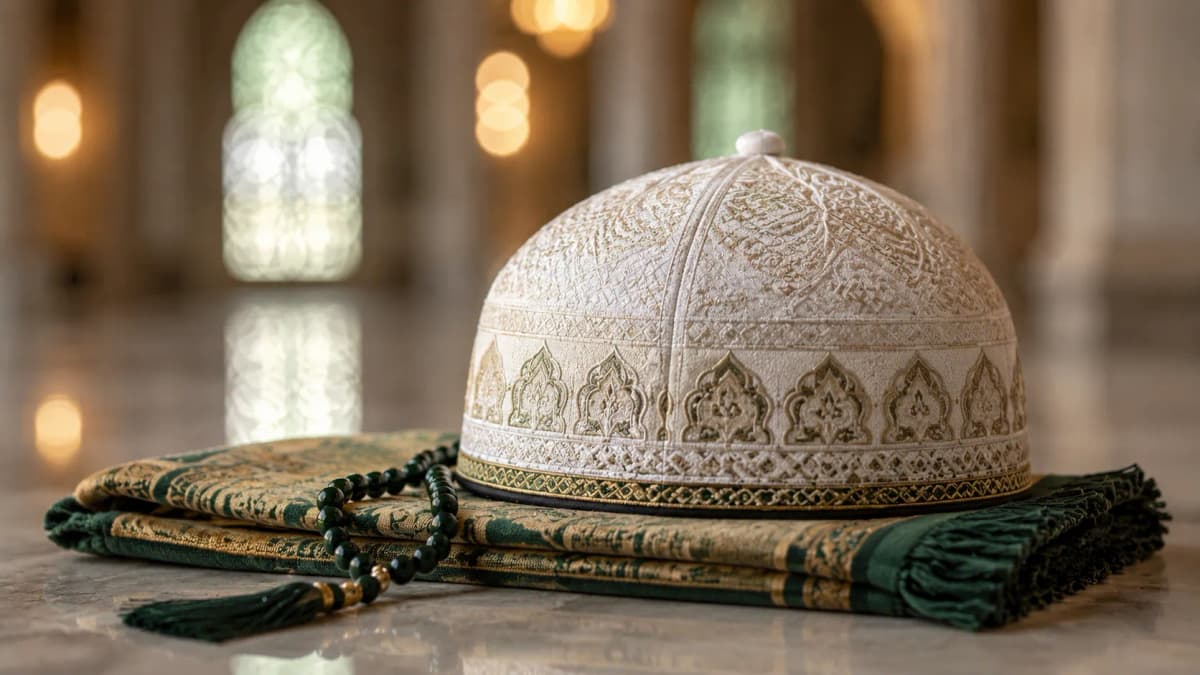
The Muslim Union of Togo (UMT) has announced the permanent expulsion of the imam of the central mosque in Kpalimé, Malam Salifou Moussa, and ordered the temporary closure of the building, according to an official note signed by the national president of the organization, El Hadj Inoussa Bouraïma, made public on May 22, 2026. The closure was carried out under the supervision of security forces at the request of the UMT to the prefect of Kloto.
Kpalimé is the capital of the commune of Kloto 1, located in the Plateaux region, about 120 kilometers northwest of Lomé. The central mosque, inaugurated in the Zongo neighborhood, is the main place of Muslim worship in the city and has a capacity of approximately 1,500 seats.
The UMT’s decisions follow physical altercations that occurred within the mosque during Friday prayers on May 15, 2026, during which Malam Salifou Moussa was physically attacked, according to the news website Togo 24. A conflict between two rival factions within the local Muslim community had been ongoing for several years. “This decision is irrevocable,” stated El Hadj Inoussa Bouraïma, whose remarks were reported by the Republic of Togo website.
The UMT accuses the imam of repeated acts of defiance against the hierarchy of the organization and behavior deemed likely to escalate tensions. The organization justified the temporary closure of the mosque by the need to create the conditions for a peaceful resolution to the crisis and to prevent any risk of conflict among the faithful.
A Conflict with Institutional Roots
The crisis pitted two camps against each other regarding the governance of prefectoral Muslim bodies. A large portion of the community—composed of theologians, elders, and neighborhood chiefs—disputed the procedures for appointing the prefectural bureau of the UMT of Kloto, believing the process had been conducted under the influence of the prefecture. The national president of the UMT had acknowledged at the time that he sought logistics support from the prefecture during this process. The prefect of Kloto had denied any allegations of interference.
The educational aspect intensified tensions starting in the 2022-2023 school year, during the replacement of Malam Salifou Moussa—who had led the SACOFA Islamic Cultural Institute for over twenty years—as head of the establishment. The succession had been challenged by the majority of local religious leaders, who denounced a violation of internal procedures. The establishment found itself with two directors simultaneously claiming leadership at the start of the 2023-2024 school year, a situation symptomatic of the rift between the two factions.
The conflict crystallized around a dividing line between those advocating for a management based on local prerogatives and those relying on the national structures of the UMT.
A National Meeting Convened in Lomé
In light of the seriousness of the events, the UMT organized a meeting on May 20, 2026, at the Maison du Hadj in Lomé, led by Imam Ali Sossah. Several imams from the Gulf prefecture participated in the discussions, which focused on preserving social peace and respecting the organization’s institutions.
The gathered religious leaders emphasized the need to uphold coexistence within the Togolese Muslim community. Muslims represent between 14 and 20% of the population of Togo, according to available estimates.
The Muslim community in Kpalimé had previously been affected by another crisis in 2021 when acts of Koran desecration and mosque burnings in Lomé prompted a call for restraint from the UMT to all faithful across the country.
Related Articles
 Benin: Suspicions of job-related extortion, one person arrested in Atacora
 Airbnb: EU paves the way for new restrictions on short-term rentals
 South Africa: 86,596 foreigners processed for expulsion or repatriation between June and August
 France: The Eiffel Tower reopens after a strike against the sidelining of female employees
Comments
Comments load when you reach this section.