
Togo: the Assembly strengthens the legal framework on nuclear safety
The Togolese National Assembly adopted four bills related to nuclear and radiological safety on Tuesday, June 9, 2026. These texts, unanimously voted, aim to strengthen the national legal framework, improve risk prevention, and align Togo with the international standards of the International Atomic Energy Agency, in a context where Lomé intends to develop peaceful uses of nuclear energy.

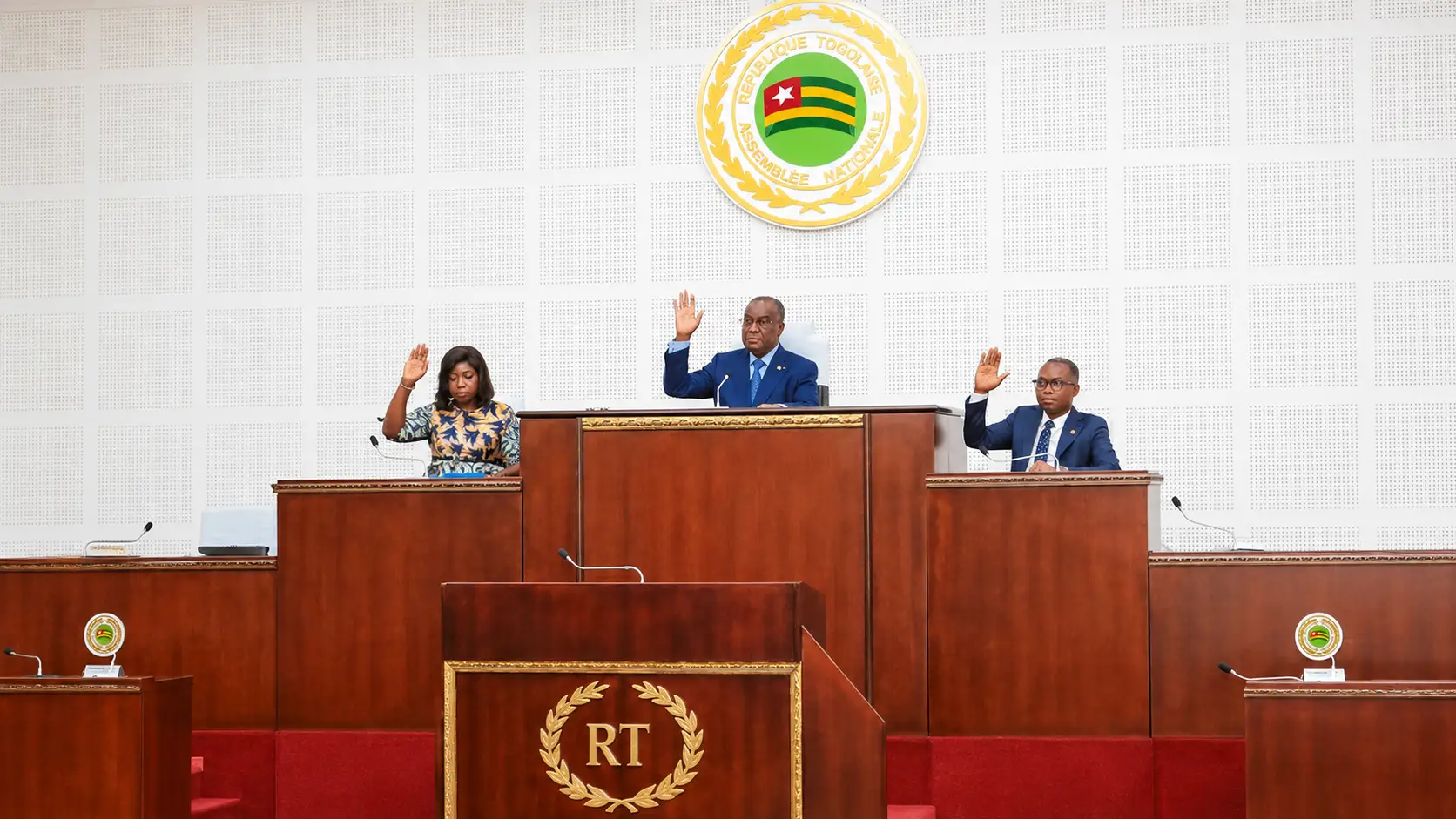
The Togolese National Assembly adopted four bills aimed at strengthening the country’s nuclear and radiological security on Tuesday, June 9, 2026. The texts were unanimously voted during the third plenary session of the first ordinary session of the year.
This adoption marks a new stage in the construction of the Togolese legal framework regarding civil nuclear matters. The texts confirm Togo’s adherence to several international instruments negotiated under the aegis of the International Atomic Energy Agency, with the goal of better managing risks associated with nuclear and radiological activities.
According to the National Assembly, adherence to these conventions should allow the country to deepen the harmonization of its legislation with international standards regarding safety, security, and management of radiological emergencies. This direction comes as Togo has increased initiatives over several years to structure the peaceful use of nuclear technologies.
Four texts to manage risks
The four adopted bills concern major international instruments. Two of them relate to the Convention on Nuclear Safety of 1994 and the Joint Convention on the Safety of Spent Fuel Management and on the Safety of Radioactive Waste Management of 1997.
The other two texts pertain to international mechanisms for rapid notification and assistance in the event of a nuclear accident or radiological emergency. These conventions, adopted in 1986 after the Chernobyl disaster, aim to ensure rapid information flow between states and facilitate the mobilization of international assistance when an incident occurs.
For Togo, these texts signify more than formal adherence to international conventions. They strengthen obligations for prevention, transparency, oversight, and emergency preparedness. They should also enable the country to more easily access technical cooperation and support from specialized institutions.
The Minister Delegate in Charge of Energy, Robert Koffi Messan Eklo, praised this coherent approach, believing that Togo is not only choosing a future energy source but also the highest standards of safety. Authorities present this development as a signal to the international community of the country’s willingness to rigorously regulate the uses of civil nuclear energy.
A strategy committed since 2020
This parliamentary decision is part of a trajectory already initiated. In June 2020, Togo adopted a law regarding the safe, secure, and peaceful use of nuclear energy. This text laid the national groundwork for regulating activities related to sources of ionizing radiation, radioactive materials, and civil applications of nuclear energy.
The 2020 law primarily aimed to protect populations, property, and the environment from risks associated with ionizing radiation. It also provided for the establishment of a national authority for nuclear safety and security, responsible for regulatory oversight of the relevant activities.
Since then, Lomé has continued to strengthen its institutional framework. In January 2025, the country established a Commissariat for Atomic Energy to coordinate programs related to peaceful uses of nuclear energy. In May 2026, the government also gave instructions to expedite the operationalization of the National Authority for Nuclear Safety and Security, which is expected to play a central role in the prevention and management of risks associated with radioactive materials.
The vote on June 9, 2026, thus completes this framework. It reflects Togo’s desire not just to limit its nuclear strategy to technological ambitions but to accompany it with a more robust regulatory framework.
Health, agriculture, energy: civil uses in focus
The strengthening of the legal framework occurs in a context of closer ties between Togo and the International Atomic Energy Agency. In February 2026, Lomé signed a new Country Programming Framework with the IAEA for the period 2026-2031 in Vienna. This document identifies priority areas for cooperation between the two parties.
Civil applications of nuclear energy particularly interest health, agriculture, food security, research, training, and energy. In the medical field, nuclear technologies can contribute to diagnosing and treating certain diseases, especially cancer. In agriculture, they can be used to improve the resilience of certain crops or enhance research capabilities.
Togo also affirms its interest in diversifying its energy mix. However, authorities emphasize the necessity of framing any development with safety, security, and radioprotection regulations that comply with international standards.
This caution is essential. Nuclear technologies, even when used for peaceful purposes, carry risks that require strong institutions, specialized skills, control procedures, emergency plans, and active international cooperation.
Related Articles
 Benin: deputies summoned this Monday for the opening of an extraordinary budget session
 National Assembly of Benin: convocation of the second extraordinary session for September 7, 2026
 PAG 22026 – 2033: after Talon’s major projects, Beninese now await the social dividends of Wadagni
 Benin: the government resumes its Council of Ministers after the summer break
Comments
Comments load when you reach this section.