
Guinea-Bissau: the draft Constitution strengthening the powers of the president is not unanimously supported.
The new Constitution of Guinea-Bissau will be submitted to a referendum on August 30, ahead of the presidential election scheduled for December 6. Presented by the transitional authorities as a means to reduce institutional blockages, the text mainly provides for a significant strengthening of the powers of the head of state.

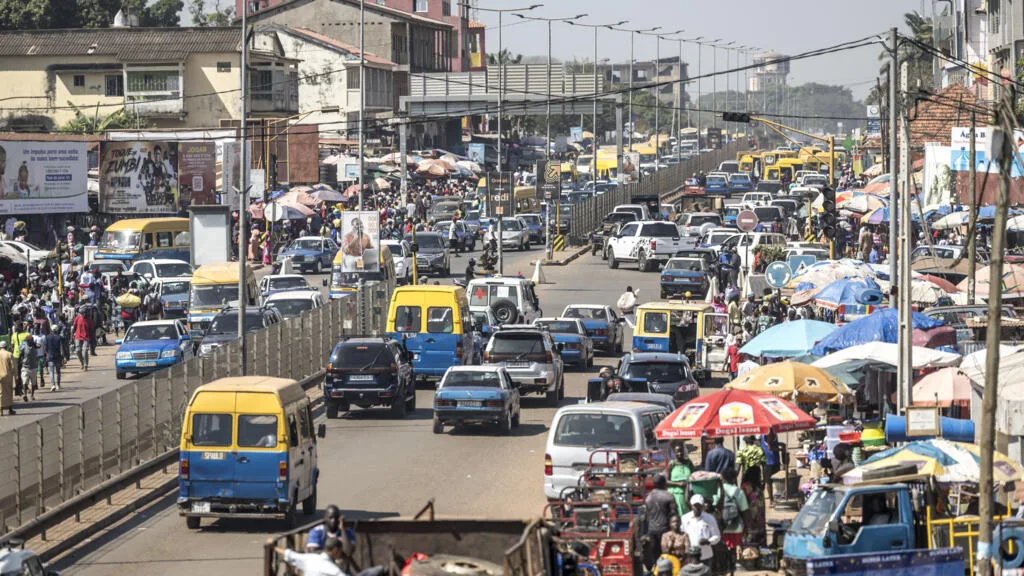
In Bissau, the constitutional draft was presented on August 12 to political leaders, diplomats, and representatives of civil society. The National Transition Council claims that the text should “clarify the balance of power” and prevent crises between the executive and Parliament.
The draft replaces the semi-parliamentary regime with a more centralized presidential system. The president could appoint and dismiss the Prime Minister without being required to respect the majority resulting from legislative elections. The National Assembly would not have the power to validate these decisions.
The head of state could also dissolve Parliament in the event of a “deep political crisis.” He would also have the ability to terminate the government’s functions if it does not implement his program.
A Reduced Parliament and Restrictions for Small Parties
The reform plans to reduce the number of deputies from 102 to 65. It also introduces an electoral threshold of 4% of the votes in the legislative elections, below which smaller parties could be dissolved.
The presidential term would remain fixed at five years, with only one possibility for renewal. On this point, the draft does not therefore modify the current rules presented by the transitional authorities.
However, part of the political class and civil society denounces a process imposed by an un-elected power. These actors notably contest the legitimacy of a constitutional reform developed during the transitional period and submitted to referendum before the announced return to civil institutions.
A Referendum Before the Presidential Election
Guinea-Bissau has been led by the military since November 26, 2025, when the electoral process was suspended on the eve of the anticipated publication of the provisional results of the presidential and legislative elections. The outgoing president, Umaro Sissoco Embalo, was overthrown during this takeover.
General N’Tam, presented as close to the former head of state, was then designated to lead a one-year transition. The announced timetable includes the constitutional referendum on August 30, followed by a presidential election on December 6.
After the overthrow of the president, the Economic Community of West African States and the African Union suspended Guinea-Bissau from their bodies. The text submitted to voters must now determine the institutional framework in which the next presidential election will take place.
Related Articles
 Guinea: Cellou Dalein claims his passport has been revoked, blocking his departure for the UN
 Nigeria: 61 public officials linked to $271 million in assets in the United States
 At the UN, Guterres calls for permanent seats for Africa and denounces injustice
 South Sudan: Kiir dissolves government, five vice presidents removed ahead of elections
Comments
Comments load when you reach this section.