
At the UN, Guterres calls for permanent seats for Africa and denounces injustice
António Guterres seized the opportunity of his final opening speech before the UN General Assembly on Tuesday, September 22, in New York, to highlight the need for African representation on the Security Council. The Secretary-General deemed it “unjust and indefensible” that no African country currently holds a permanent seat on the body responsible for international peace and security.

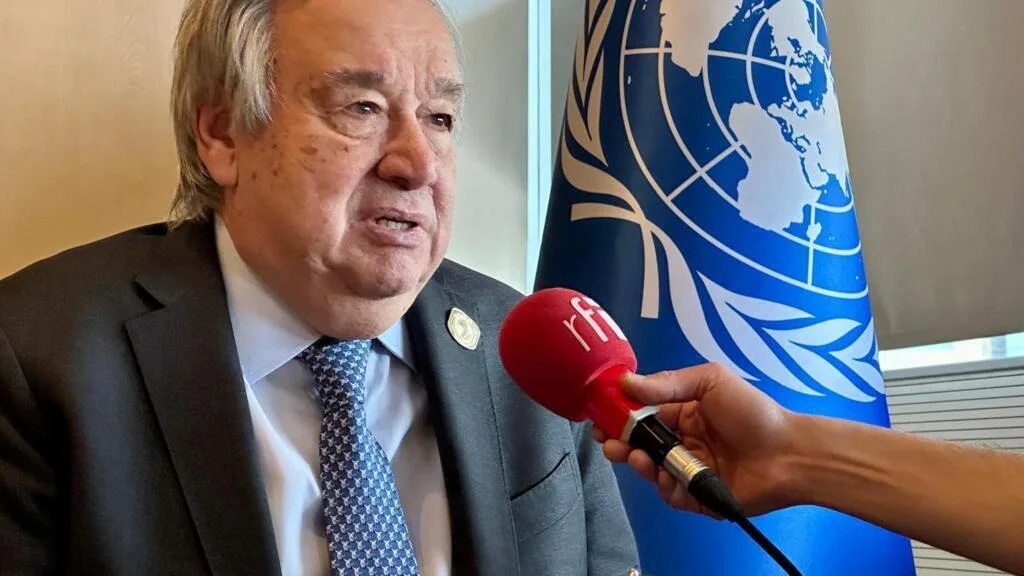
Addressing leaders gathered for the 81st General Assembly, Guterres linked this absence to the power dynamics established in 1945. At the founding of the United Nations, much of Africa was still under colonial rule. He argued that international institutions too often reflect the power relations of a bygone era, while the political, demographic, and economic weight of the continent has significantly changed.
The Security Council consists of fifteen members, five of whom hold permanent seats and possess veto power: China, the United States, France, the United Kingdom, and Russia. The other ten seats are allocated for two-year terms. Consequently, Africa participates in the Council’s work through temporary mandates, lacking a permanent presence and the same prerogatives as the five historical powers.
This demand has been championed by the African Union for over twenty years. The Ezulwini Consensus and the Sirte Declaration advocate for at least two permanent seats for the continent, along with five non-permanent seats. As long as the veto exists, the African Union insists that future African permanent members enjoy the same rights as other permanent members.
Guterres’s remarks come during his final major opening speech at the General Assembly before the end of his second term, which is set to conclude on December 31, 2026. Reuters notes that he used this address to broadly criticize global institutions that struggle to keep pace with current geopolitical transformations, as nearly 130 leaders convene in New York.
However, a reform of the Security Council cannot be decided by the Secretary-General. It requires an amendment to the UN Charter, which must be approved by two-thirds of the General Assembly and then ratified by two-thirds of the member states, including the five permanent members of the Council.
Related Articles
 Nigeria: 61 public officials linked to $271 million in assets in the United States
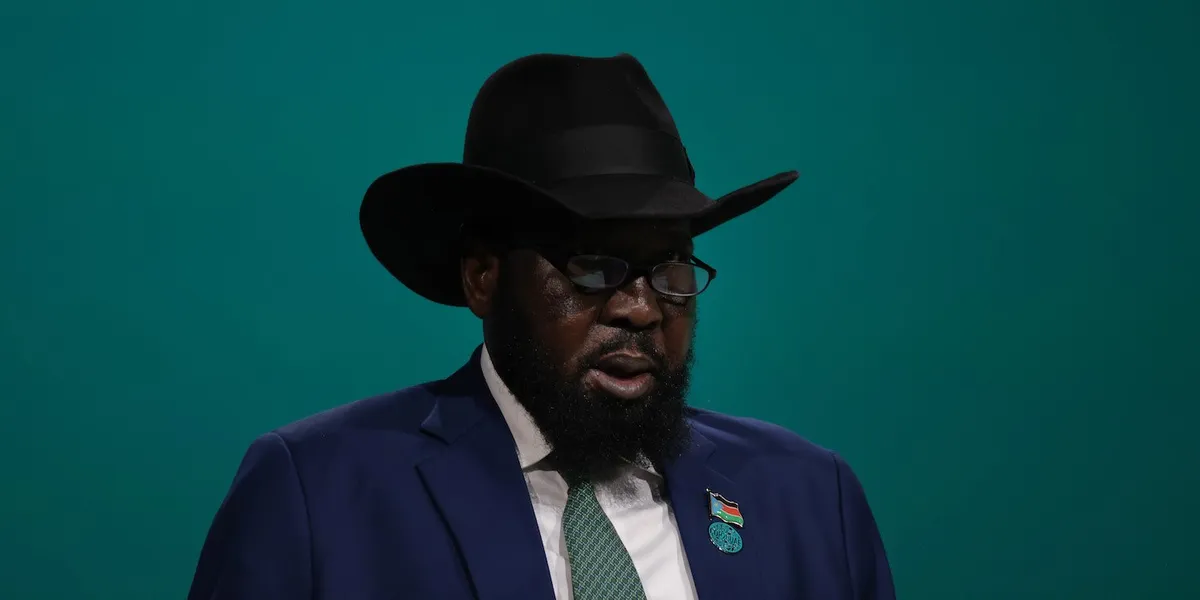 South Sudan: Kiir dissolves government, five vice presidents removed ahead of elections
 Senegal: Pape Abdoulaye Touré case investigated for crimes against humanitySouth Sudan: Kiir retains full powers, vice presidents must depart
Comments
Comments load when you reach this section.