
Togo: Faure Gnassingbé aims to reduce poverty to below 15% by 2040.
Faure Gnassingbé opened a government seminar in Djamdè focused on the economic and social transformation of Togo. With the support of diagnostics carried out with the World Bank, the executive aims to define strategic choices capable of doubling the average standard of living of Togolese people and reducing poverty below 15% by 2040.

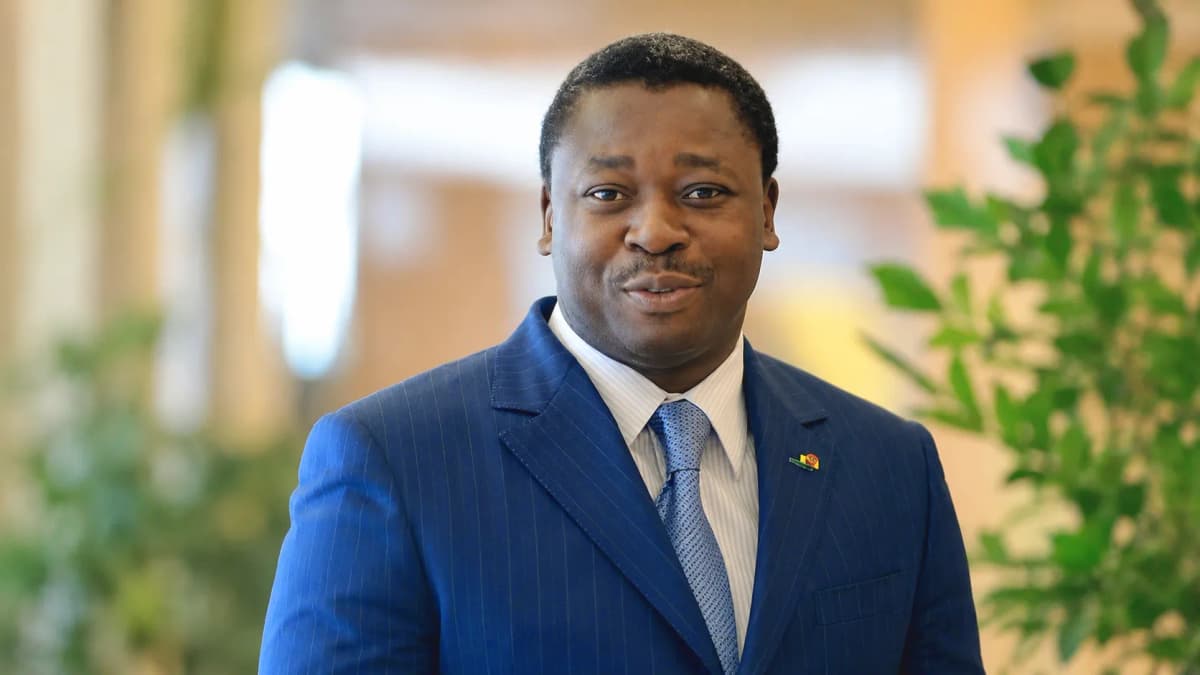
The president of the Togolese Council of Ministers, Faure Gnassingbé, opened a government seminar on Thursday, June 11, in Djamdè, in the Kozah prefecture (north), dedicated to the economic and social transformation of the country. The meeting, which brings together ministers and experts, is centered around the goal of doubling the average standard of living of Togolese and bringing the incidence of poverty below 15% by 2040.
The work is based on diagnostics conducted with the assistance of the World Bank and on analysis of experiences from countries that have undergone economic transformation, including Vietnam, South Korea, Cambodia, Indonesia, Mauritius, and Brazil. The head of the executive termed the 2040 target as a “high ambition,” calling for a rigorous diagnosis to make strategic choices that convert growth into social progress.
This format of government seminar is periodic. The first of the year was held on April 7 and 8 in Lomé. The World Bank has been a long-time partner of Togo: in May 2025, a delegation led by the vice president for West and Central Africa, Ousmane Diagana, was received in Lomé, and the authorities presented a growth framework based on three pillars. Economic reforms are outlined in the government’s roadmap, which highlights projects such as the industrial platform at Adétikopé and the port of Lomé.
Twenty-One Years at the Helm of the State
Faure Gnassingbé has been leading Togo since 2005, the year he succeeded his father Gnassingbé Eyadéma, who had been in power for thirty-eight years. Following the constitutional reform of 2024, which transitioned the country to a parliamentary regime, he has held the position of president of the Council of Ministers since May 2025, the top executive post, without term limits established by direct presidential election.
This reform has been contested by parts of the opposition and civil society, who view it as a mechanism to prolong his hold on power. The government, for its part, presents it as a modernization of institutions. The capital, Lomé, witnessed protests in 2025 against the high cost of living and governance, which were dispersed by security forces.
The Djamdè seminar is part of the preparation for budget and sectoral arbitration aimed at translating the 2040 objectives into operational programs. Djamdè is located in the Kara region, over 400 kilometers north of Lomé.
Related Articles
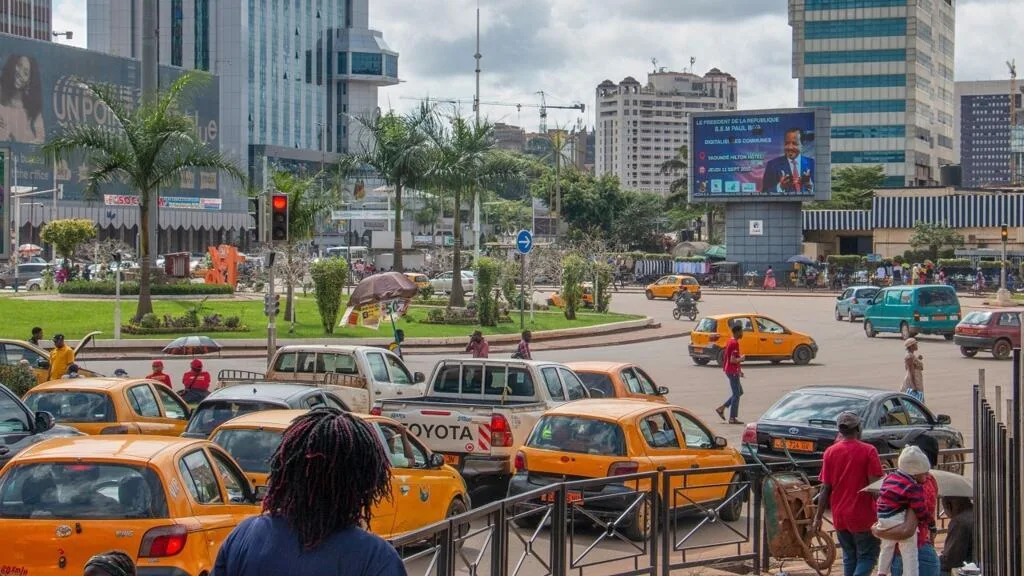 Cameroon: the trial of 66 detainees from the post-election crisis postponed to September 10
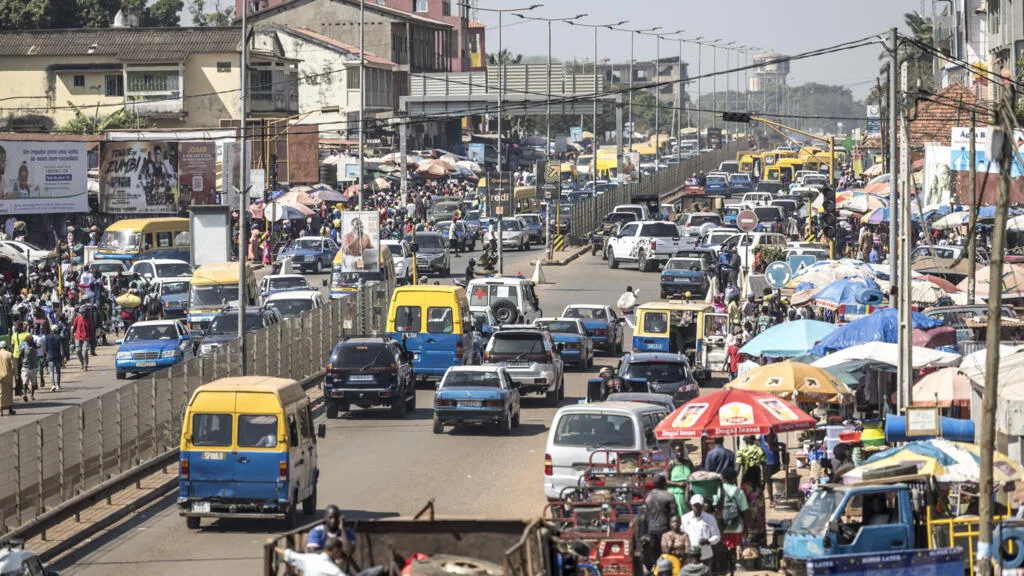 Guinea-Bissau: the draft Constitution strengthening the powers of the president is not unanimously supported.
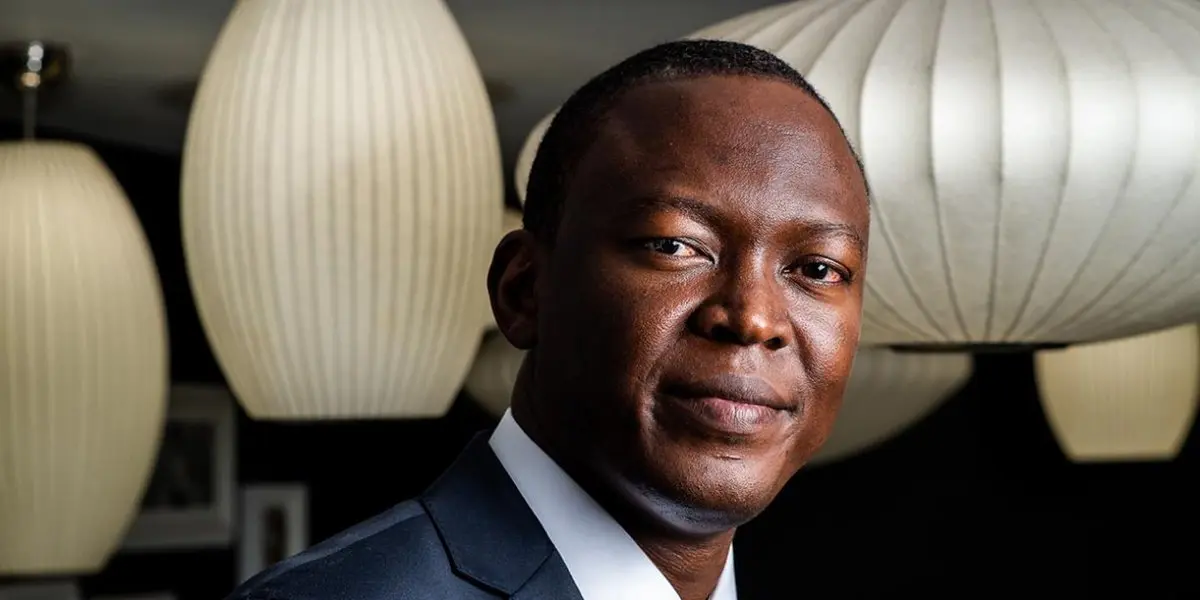 Chad: Mahamat Idriss Déby grants presidential clemency to Succès Masra
 Senate of Benin: the President of the Federation Council of Russia, Valentina Matvienko, congratulates Talon.
Comments
Comments load when you reach this section.