
The constitutional referendum in Senegal rekindles tensions at the top of the state.
The adoption of the constitutional reform project by the National Assembly of Senegal on June 29 opens a new political chapter. Shortly after, President Bassirou Diomaye Faye announced that the text would be subject to a popular referendum, although he did not specify the date for this consultation.

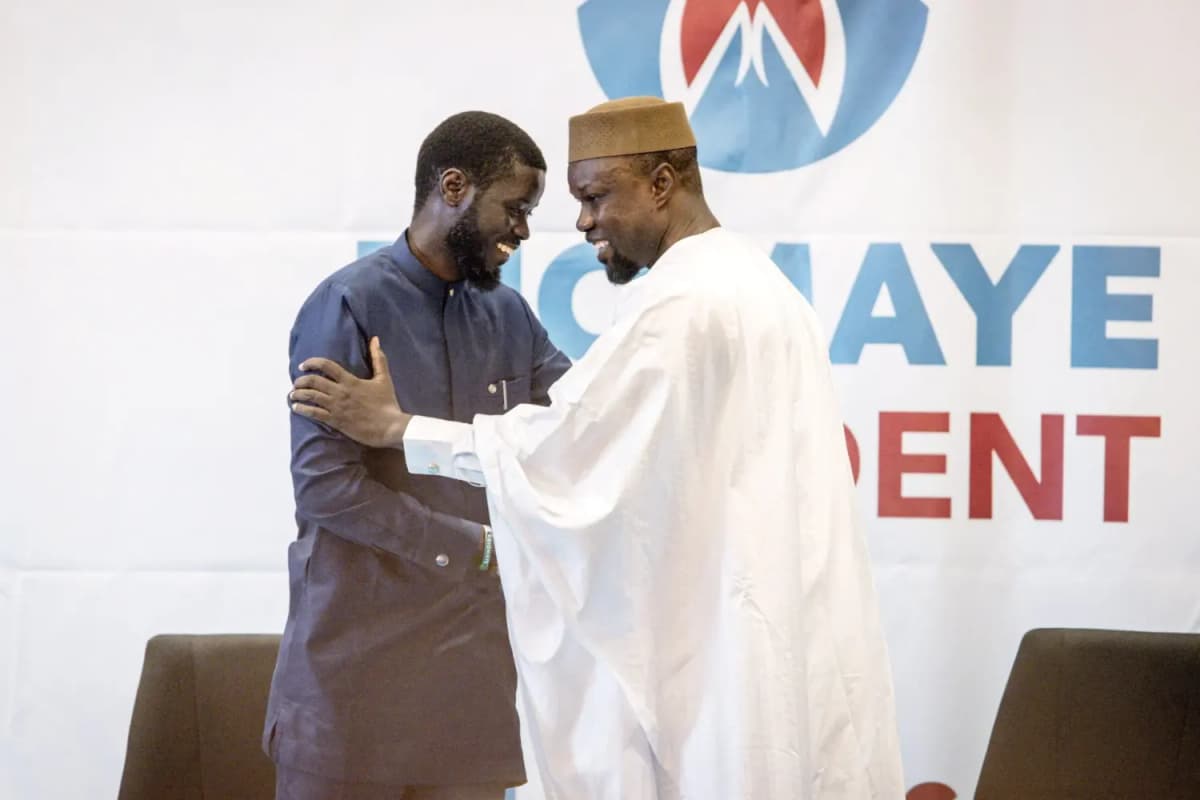
The examination of this constitutional reform took place in a climate of significant divergences within the government. Disagreements between President Bassirou Diomaye Faye and Prime Minister Ousmane Sonko were particularly evident regarding this project. According to several analysts, the amendments proposed by the Pastef deputies aim to limit some of the powers of the head of state while strengthening the role of the Parliament and the Prime Minister.
In this context, the president’s choice to organize a referendum is interpreted by some observers as a strategy allowing him to retain greater political maneuverability. A return of the text before the National Assembly for a new reading could have led to its adoption due to the parliamentary majority held by Pastef. By opting for a popular consultation, the head of state has more time to campaign and influence the outcome of the vote. Some analysts also believe that the timing of the referendum could be postponed until November, opening the door to other institutional options, including a possible dissolution of the National Assembly.
Among the provisions that have raised the most reservations is the obligation for the president to declare his assets at the end of his term as well as the prohibition for the head of state to simultaneously hold the presidency of a political party. Critiques of the president see his opposition to these measures as a sign of a desire to maintain greater freedom of action. Some hypothesize that these provisions could complicate the management of certain political expenditures, particularly those related to maintaining support among political leaders, deputies, or party activists.
This interpretation is also fueled by several recent events, including Bassirou Diomaye Faye’s meeting with French President Emmanuel Macron and representatives of the former political elite from the time of Macky Sall, as well as Ousmane Sonko’s departure from the premiership. For some observers, these developments reflect a distancing from the commitments made during the presidential campaign and a gradual return to political practices associated with previous governments, particularly in relations with France.


Comments
Comments load when you reach this section.