
South Africa: end of the SADC summit in Durban, dominated by the migration issue.
Gathered in Durban, the leaders of the Southern African Development Community (SADC) concluded their annual summit on August 17. The South African presidency, now held for a year by Cyril Ramaphosa, particularly highlighted migration tensions, the situation in the Democratic Republic of the Congo (DRC), regional infrastructure, and the creation of a common tourist visa.

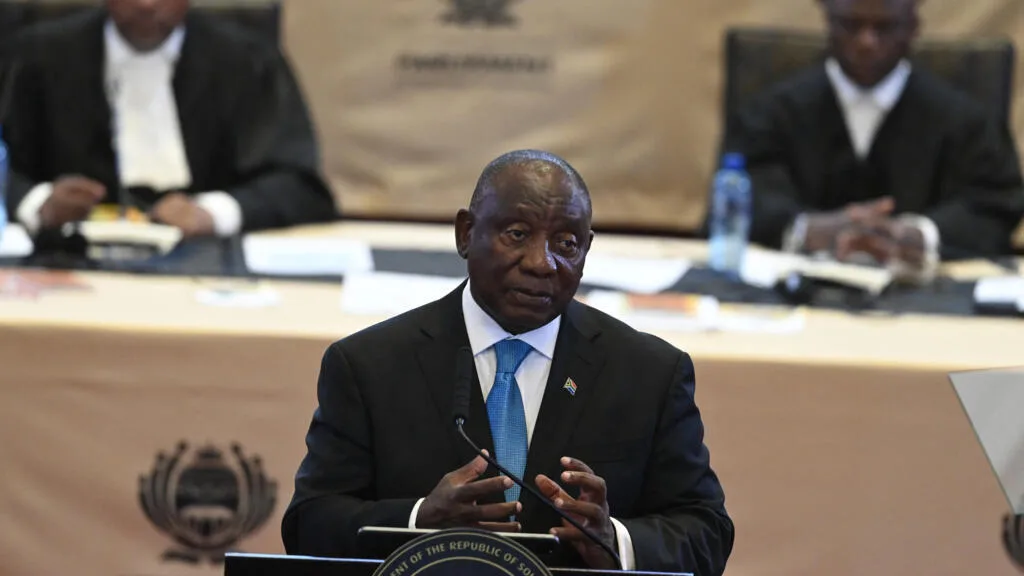
South Africa officially assumed the annual presidency of the SADC following the summit held in Durban, on the country’s east coast. Pretoria had already been leading the organization on an interim basis since late 2025, after Madagascar’s withdrawal, but this role is now confirmed for a one-year term.
The summit, which normally brings together the 16 member countries of the SADC, took place with 15 delegations present. The Comoros did not participate due to overdue membership fees, according to information provided after the meeting.
Pretoria wants to ease tensions related to immigration
In his closing speech, Cyril Ramaphosa dedicated a significant portion of his remarks to the migration tensions that shook South Africa in June. Protests targeting undocumented individuals affected several regions of the country.
The South African president indicated that he had discussed this issue with his counterparts “honestly and transparently,” describing immigration as a “complex challenge.” Several SADC member countries are directly affected by these tensions, as their nationals were targeted during the protests and, in some cases, repatriated to Zimbabwe, Mozambique, Malawi, or the DRC.
Cyril Ramaphosa also expressed regret over the events that occurred in South Africa and thanked neighboring countries for their understanding. These tensions continued around the summit: the “March and March” movement, which initiated several gatherings against undocumented immigrants, organized a protest in Durban on August 17.
The final communiqué of the SADC reaffirmed the organization’s solidarity with the DRC in its efforts to restore peace and security. Regional leaders also called on Malagasy political actors to continue their efforts toward calm in the country, as the political situation remains monitored by the member states.
Infrastructure and common tourist visa
The South African presidency also plans to advance regional infrastructure projects. Cyril Ramaphosa emphasized the development of transport and trade corridors, seen as essential for improving the movement of goods and strengthening economic integration among SADC countries.
The summit also allowed for the approval of the agreement concerning a common tourist visa for member states. However, the text still needs to be signed by all partners before it can potentially be implemented. The practical details and timeline for application were not specified.
Related Articles
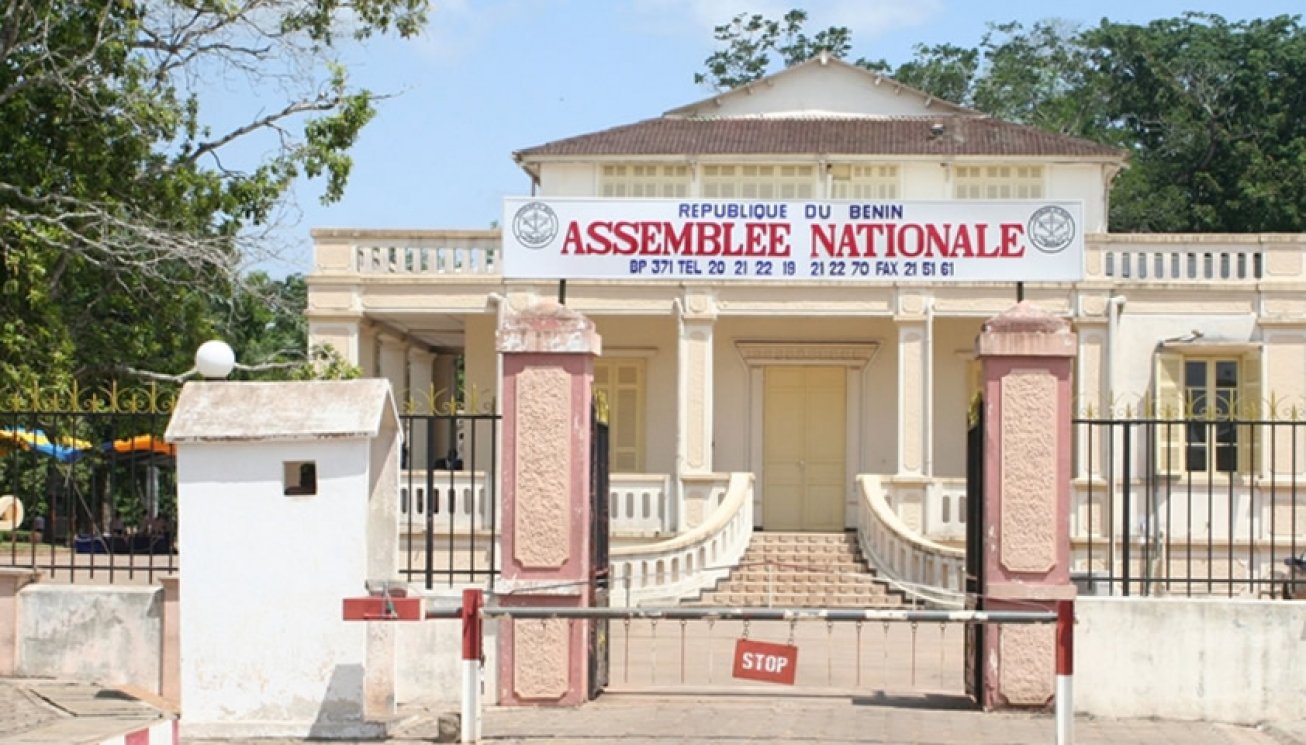 Benin: deputies summoned this Monday for the opening of an extraordinary budget session
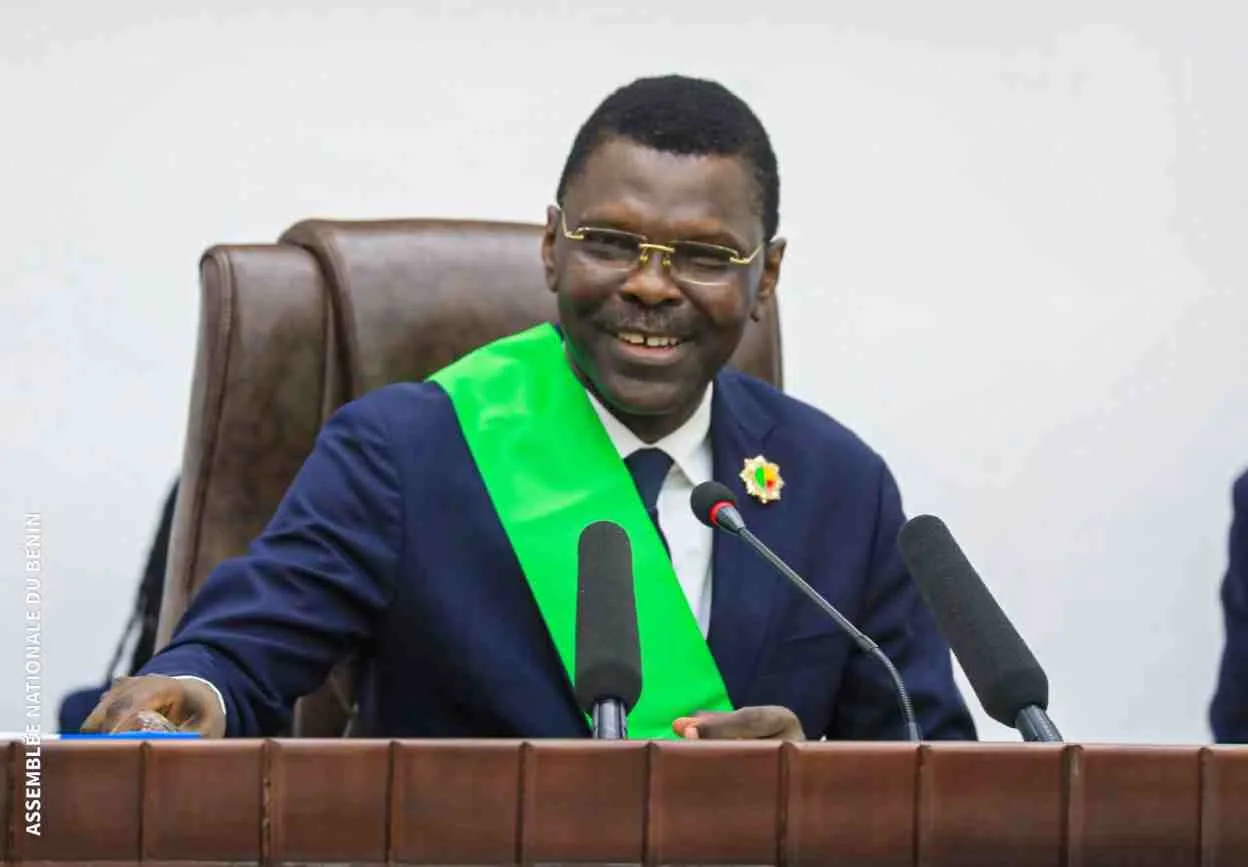 National Assembly of Benin: convocation of the second extraordinary session for September 7, 2026
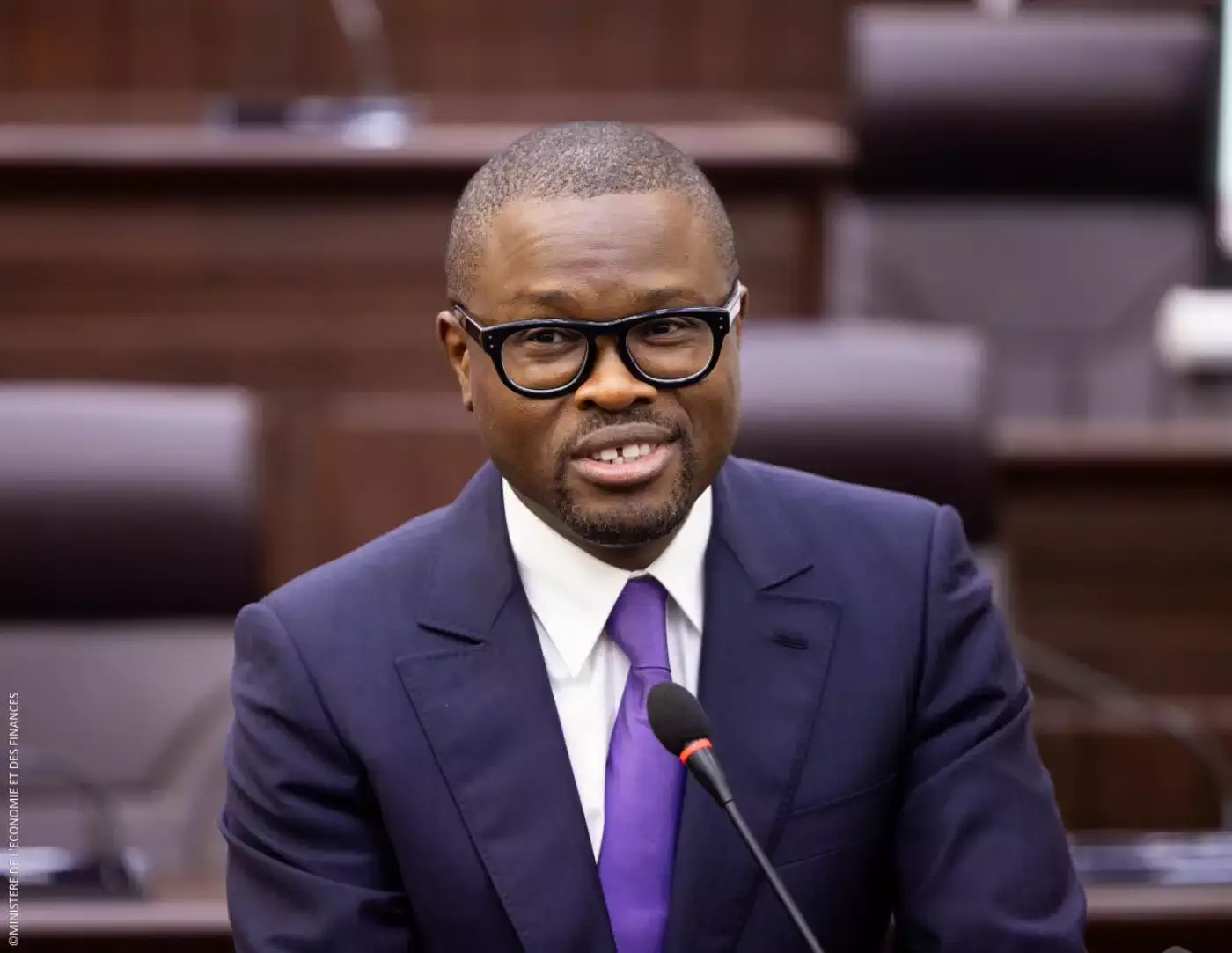 PAG 22026 – 2033: after Talon’s major projects, Beninese now await the social dividends of Wadagni
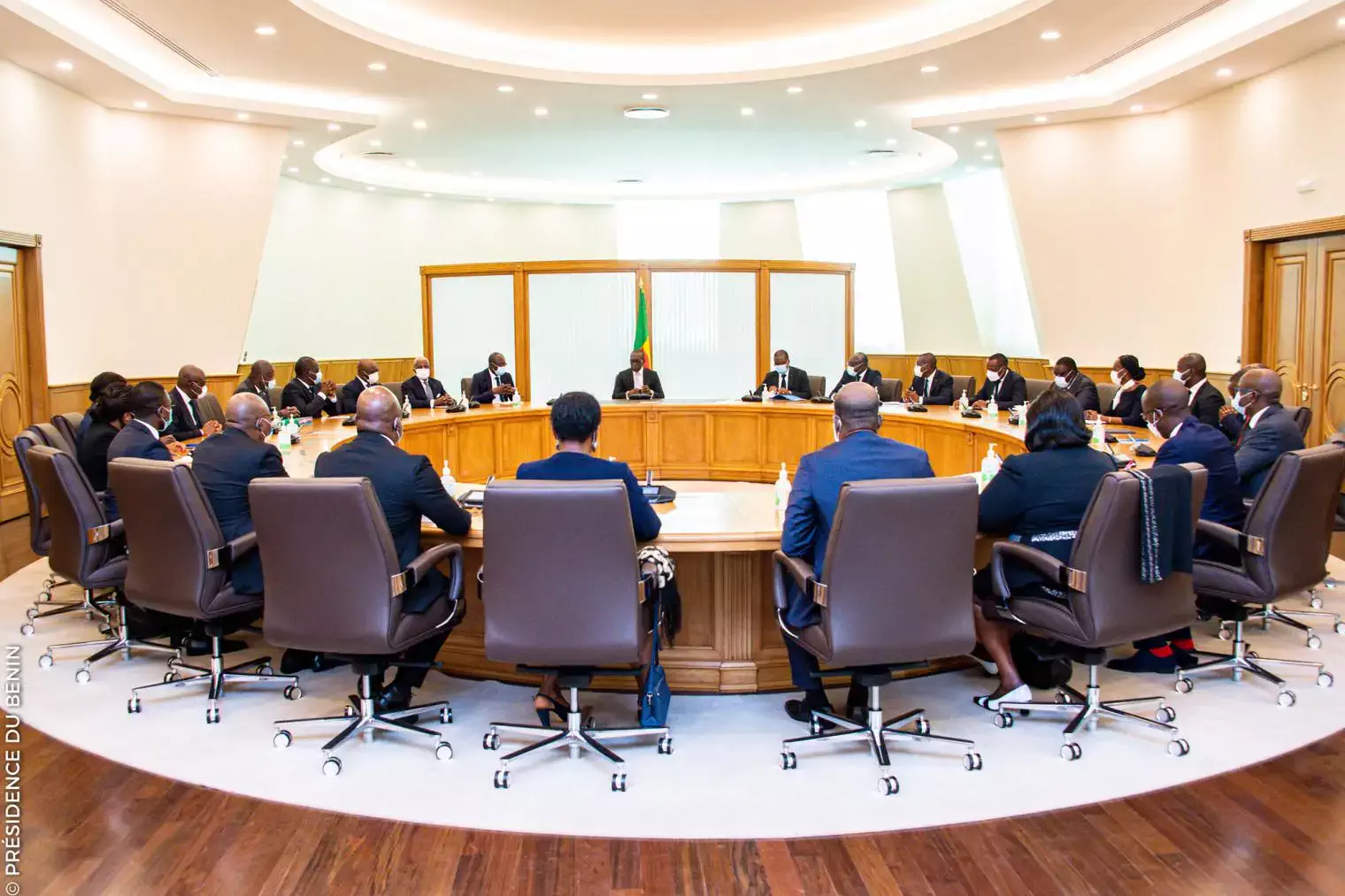 Benin: the government resumes its Council of Ministers after the summer break
Comments
Comments load when you reach this section.