
Ostrich feathers caught up in the animal cost of fashion
Often chosen for their lightness and movement, ostrich feathers are at the center of a much less glamorous debate. An investigation published by World Animal Protection and Collective Fashion Justice documents practices in South Africa that both organizations describe as painful for the birds.

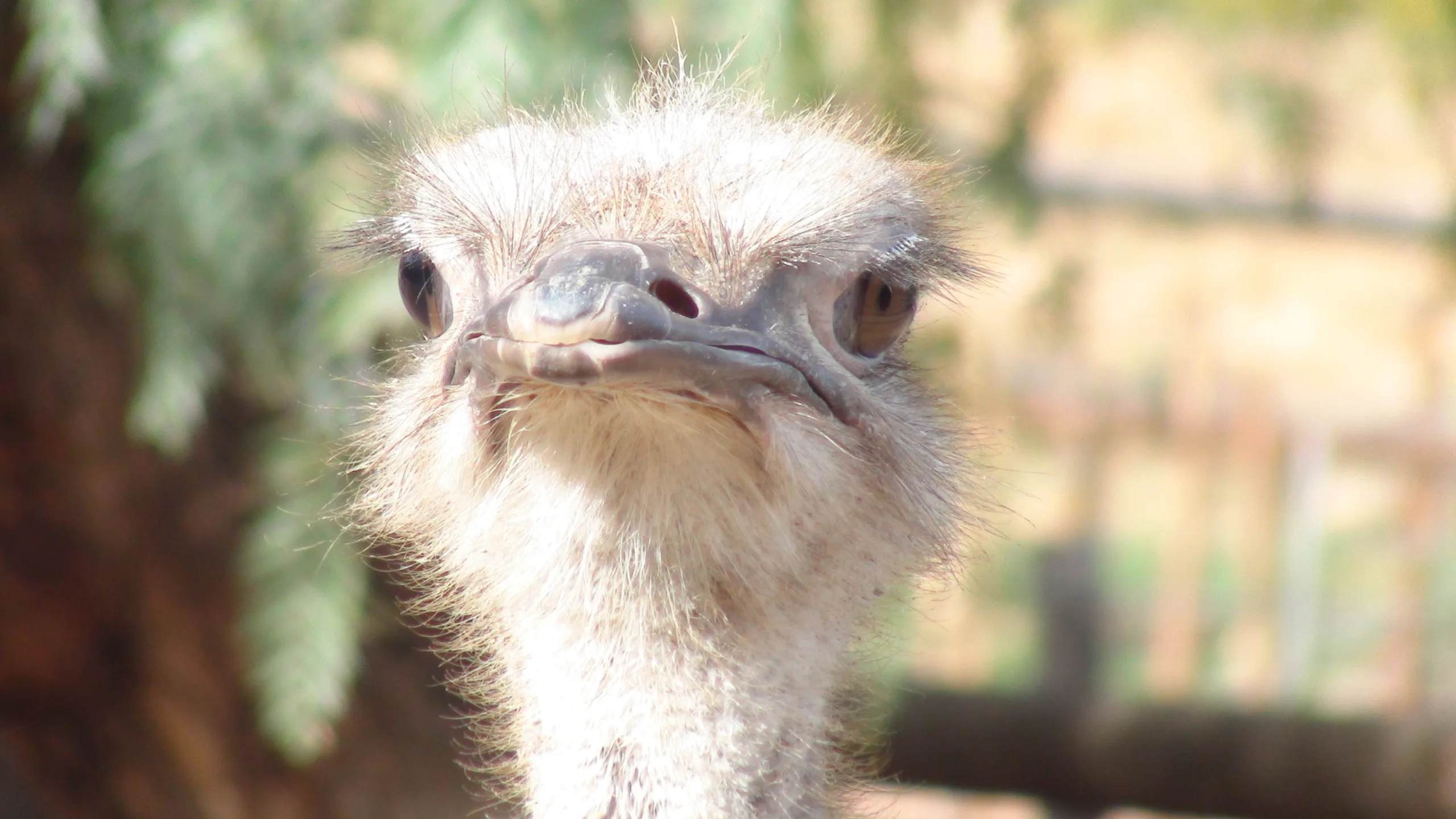
Images collected from farms and processing sites show ostriches restrained, with their heads covered by a bag, before some feathers are cut and then plucked without anesthesia. The organizations also report observing feathers taken above the bloodline and state that the procedure can be repeated every six months on certain birds.
This issue extends beyond a few farms. South Africa accounts for approximately 75% of the global ostrich market and exported over 150 tons of feathers during the 2024-2025 season, according to government data cited by the report’s authors. The studied sites indicated they supply chains linked to YSL, Louis Vuitton, Dior, Chanel, and Shein. This mention does not imply that these brands were aware of the practices filmed at every stage of their supply chain.
The investigation primarily challenges the image of a decorative material harvested without harm during a natural molt. World Animal Protection and Collective Fashion Justice argue that this representation obscures production chains where feathers are cut or pulled from live birds before slaughter, while meat, skin, and plumage feed multiple markets.
The two organizations are now calling on fashion houses, retailers, and events to exclude wild animal feathers from their collections. Collective Fashion Justice highlights textile manipulation techniques and biomaterials capable of replicating the volume, lightness, and movement sought without resorting to ostrich feathers.




Comments
Comments load when you reach this section.