
HaloBraid: this robot aims to shorten long braiding sessions
Spending a significant part of the day at the salon for box braids or knotless braids may soon become a bit less tedious. HaloBraid, a braiding assistance device conceived by Nigerian-American engineer Yinka Ogunbiyi, is set to begin its rollout in American salons in September 2026. Its promise is straightforward: to help professionals complete longer styles more quickly, without taking away their control over the styling process.

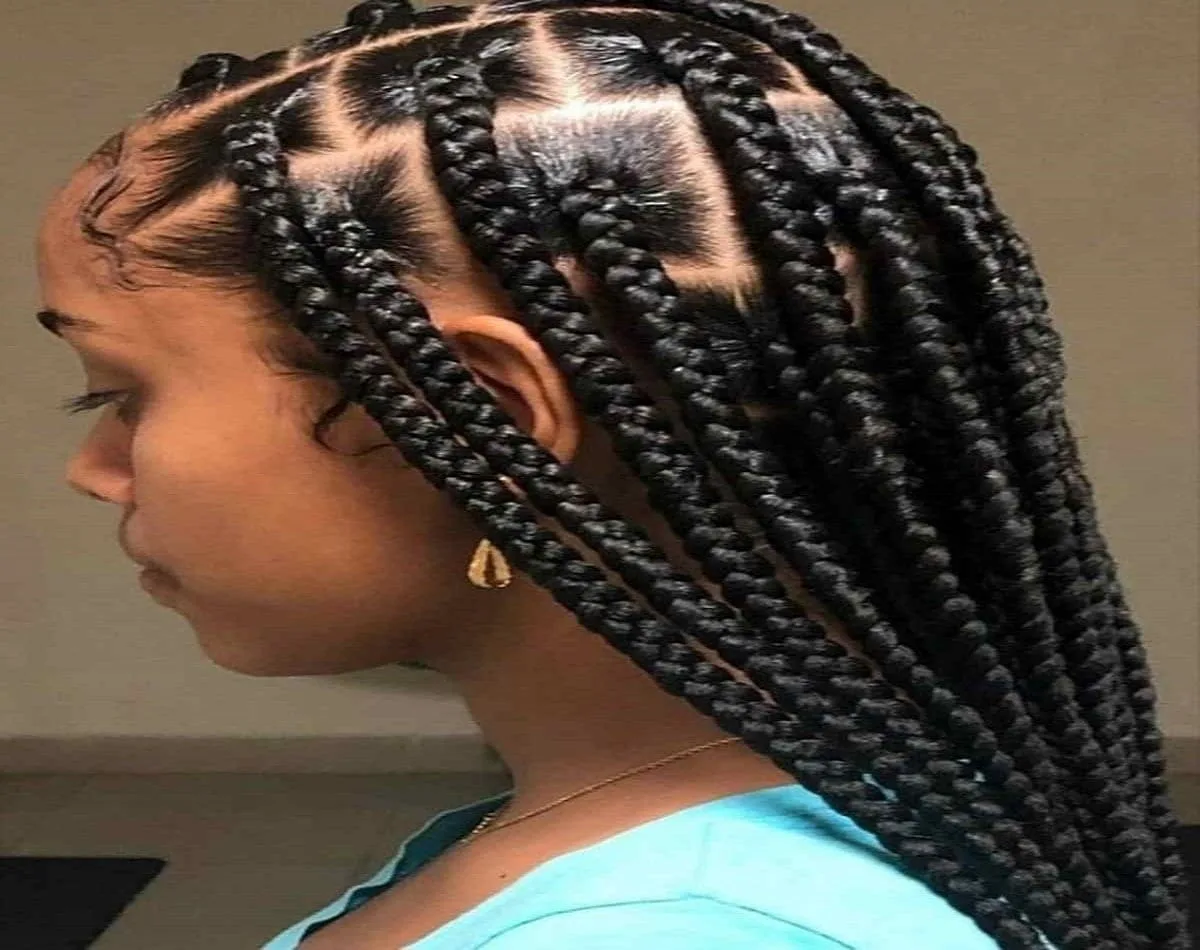
The concept is quite different from the image of a robot that would style hair on its own. The stylist performs the parting, prepares the root, starts the braid, and adds the extensions. The device then takes over the repetitive part of the three-strand movement. Halo claims that this assistance can reduce the overall duration of an appointment by about half, while Allure mentions that the speed can be up to five times faster during certain stages of the braiding process.
The innovation also aims to enhance the comfort of professionals. Long braiding sessions put significant strain on the hands, wrists, shoulders, and back. By automating part of the mechanical motion, HaloBraid seeks to allow stylists to spend more time on parting designs, volume selection, finishing touches, and consultations—essentially, everything that gives a hairstyle its unique character.
For clients, the main benefit is practical: fewer hours spent sitting, easier appointments to fit into a day, and ultimately, more available slots in equipped salons. However, the final result still relies on human expertise. The device does not create cornrows, does not work close to the scalp, and does not determine the hairstyle pattern.
An innovation born from a familiar gesture
Yinka Ogunbiyi recounts that she began contemplating the issue during the Covid-19 lockdowns after spending several days braiding her own hair. She later developed the project with David Afolabi. According to TechCrunch, the company raised $7 million in 2026 to continue product development, manufacturing, and partnerships with salons.
The project resonates particularly within the textured hair community, where time spent in the salon is part of the experience but can also become a real burden. The official HaloBraid website emphasizes an assistive approach: the action is “started by hand” and then “finished by Halo.”
What it changes, and what it does not
For women accustomed to long braids, the technology may seem groundbreaking, but it does not replace visual hair diagnosis, the selection of a comfortable tension, or the creativity of a skilled braider. The finishing touches, facial harmony, volume distribution, and quality of partings remain in the hands of the professional.
Another point to keep in mind: the announced rollout currently pertains to salons in the United States. No commercialization in Benin or more broadly in West Africa has been publicly announced to date. Therefore, the project’s significance lies less in an immediate change to local habits and more in what it indicates about the evolution of the industry: hair technologies are finally beginning to pay more attention to the needs of textured hair and the daily realities of the professionals who style it.
HaloBraid is still a product in the launch phase. Its adoption will depend on its reliability in salons, the consistency of results, and the reception from both stylists and clients. For now, the brand maintains a waiting list on its official website, a sign that curiosity about this new way of braiding is already well established.


Comments
Comments load when you reach this section.