
Benin: the government releases 100 million FCFA for the establishment of the Senate
The process of creating and operationalizing the Senate has reached a new milestone. As part of the revised financial bill for the year 2026, the government has officially allocated a budget of 100 million CFA francs for the installation process.

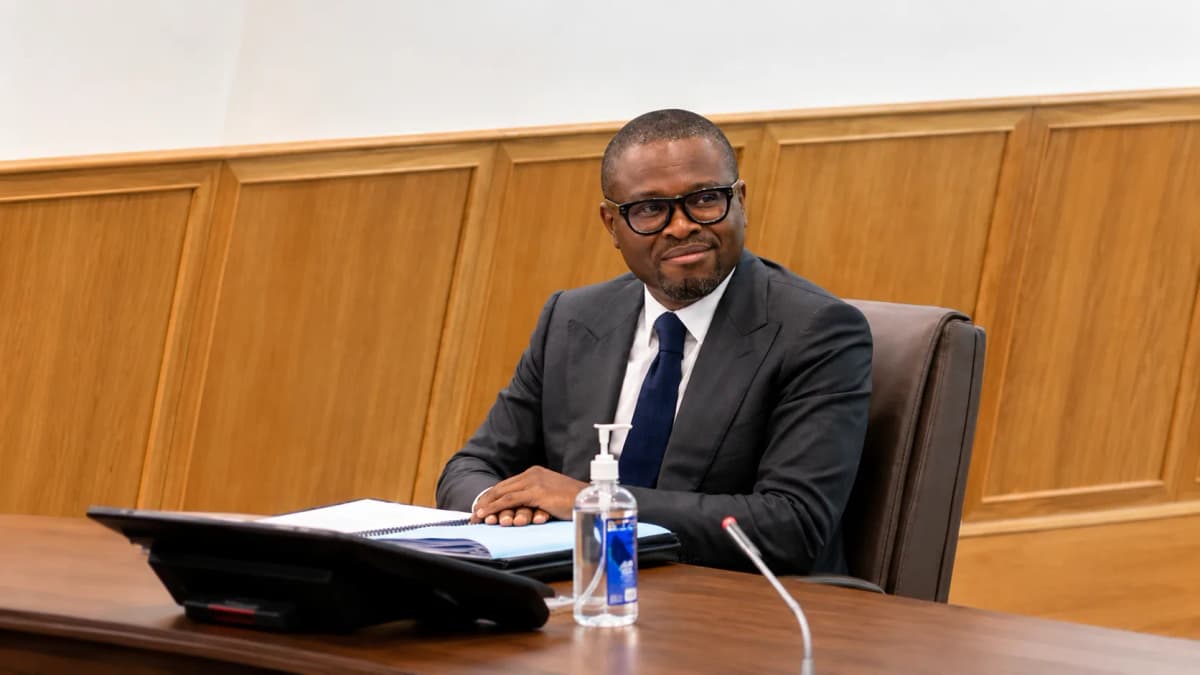
This initial budget allocation, according to Fraternité, is specifically intended to cover the initial expenses related to the material installation of this second parliamentary chamber.
The formal inclusion of this line of credit in the collective budget confirms the imminent establishment of the institution, thus realizing one of the flagship reforms from the constitutional revision that took place on December 17, 2025. For this startup phase, the funds released by the central government will primarily be allocated to meet the logistical, technical, and real estate needs essential for the initial steps of the institution.
The authorities specify that at this stage, no budget has yet been allocated for the remuneration of administrative staff, the current functioning of services, or the future allowances of parliamentarians, as these structural modalities remain pending the upcoming adoption of an implementing decree by the Council of Ministers.
In accordance with the new constitutional provisions, this second chamber will be comprised of a prestigious assembly with a mission of high republican regulation. It will consist of at least 25 members: ex officio members as well as appointed personalities, including former presidents of the Republic, former presidents of the National Assembly, former presidents of the Constitutional Court, and distinguished generals from the defense and security forces.
As the upper chamber, the Beninese Senate will have the fundamental responsibilities of ensuring the preservation of national unity, guaranteeing social cohesion, and acting as a regulatory and tempering body in the political and institutional life of the country.
Related Articles
 At the UN, Lamine Zeine accuses Paris and Kyiv of supporting groups poised to attack Niger
 Sidya Touré dies in Paris, four years after leaving Guinea
 Guinea: Upon returning from the UN, Mamadi Doumbouya calls for national unity
 Morocco: After the legislative elections, PAM awaits the King’s choice before the alliance battle
Comments
Comments load when you reach this section.