
Burkina Faso: accelerating thermal power to strengthen energy autonomy
Burkina Faso is accelerating the development of its thermal capacities to meet the rising demand for electricity and reduce its dependence on imports. The Bobo 2 power plant, which started operation on August 7 in Bobo-Dioulasso, is one of the latest facilities added to the national grid.

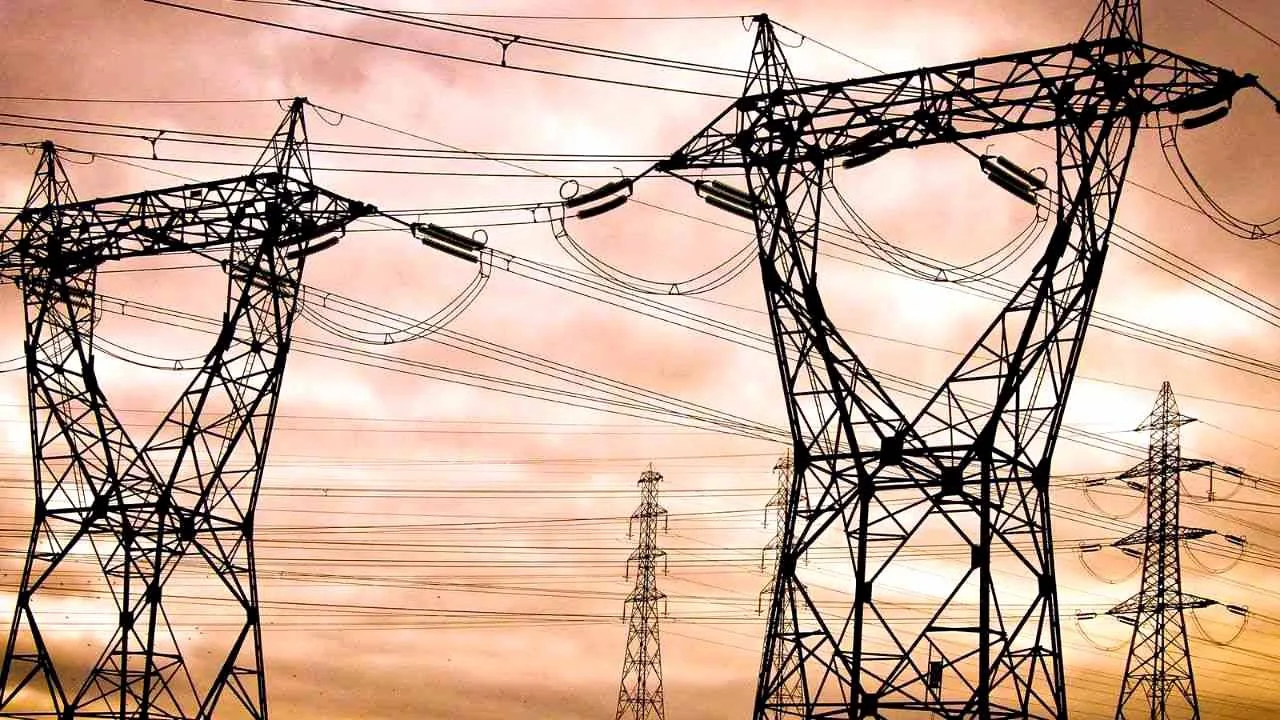
Since the beginning of 2026, several thermal projects have been initiated or completed in Burkina Faso. This dynamic aims to strengthen the available supply in a country where access to electricity remains particularly limited in rural areas.
The commissioning of Bobo 2 comes in a context of increasing pressure on the electrical system. The growing consumption, combined with structural dependence on electricity imports, is pushing the authorities to develop national production capacities more rapidly.
A response to the increase in demand
The reliance on thermal power plants allows for the rapid addition of capacities to the grid and supports the supply to the main urban and industrial centers. Bobo-Dioulasso, the country’s second-largest city, is among the areas where electrical demand accompanies economic activity and urbanization.
However, this strategy alone does not solve the difficulties in accessing electricity. It must also be accompanied by the strengthening of transport and distribution networks, as well as tailored solutions for rural areas that are still inadequately served.
The increasing number of thermal projects reflects the willingness of Ouagadougou to reduce supply interruptions and improve its energy autonomy. The available information does not specify the exact capacity of the Bobo 2 power plant nor its quantified contribution to national production.

Comments
Comments load when you reach this section.