
In Sudan, the fall of the pound leads to business closures
In Sudan, the decline of the pound is causing business closures and driving up the prices of basic goods in several cities, amid significant volatility in the foreign exchange market.

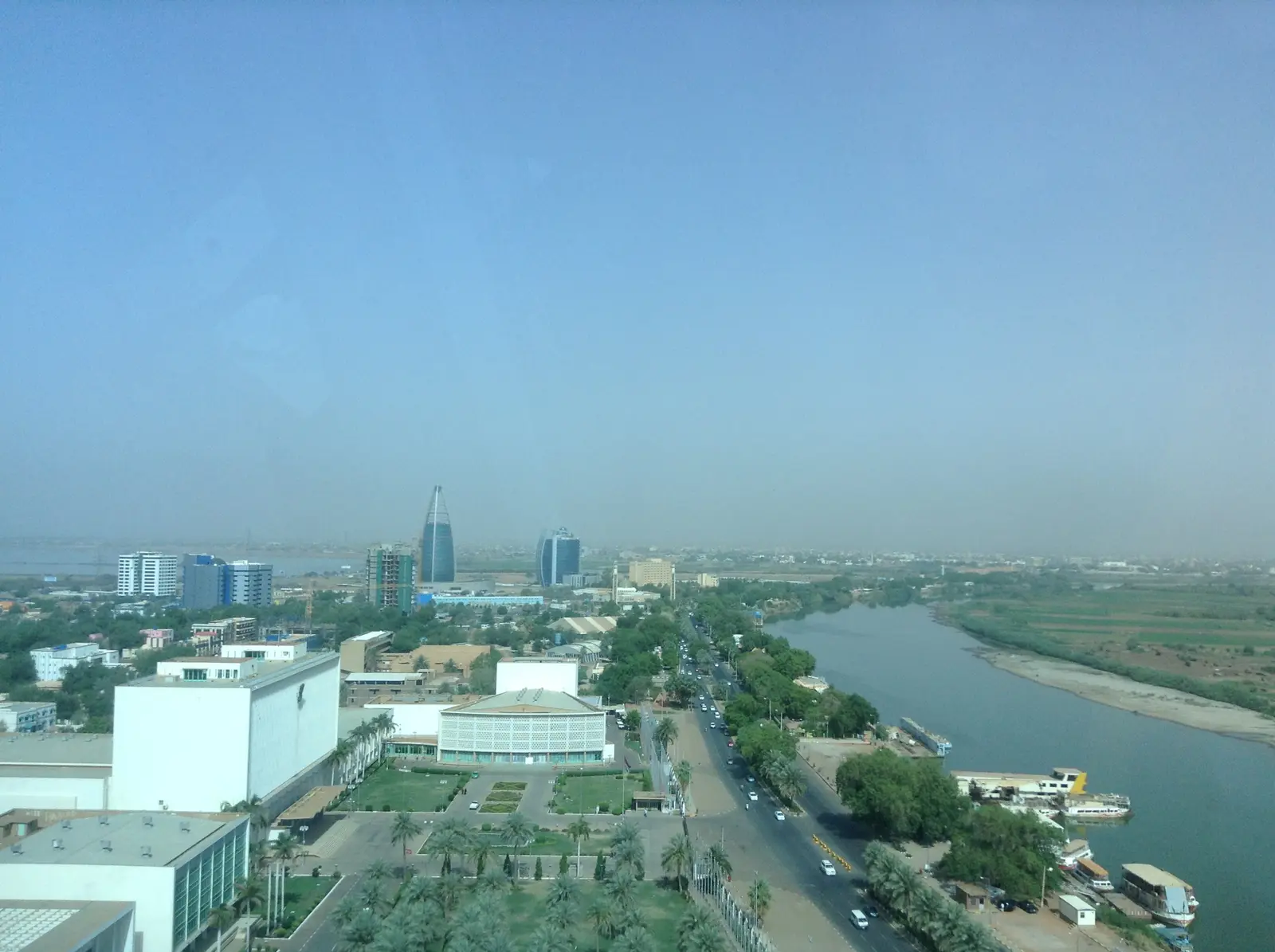
After surpassing 8,400 pounds to the dollar last week, the greenback was trading at around 7,400 to 7,500 pounds on the parallel market between Monday, September 21, and Tuesday, September 22, compared to approximately 4,100 in May.
In Ed Dueim, located in the White Nile State, about three-quarters of shops have closed during the peak of the currency’s decline, according to a trader interviewed by Radio Dabanga. In Omdurman, the same source reported that around 90% of wholesalers had shut down. Radio Tamazuj also noted on Friday the closure of most businesses visited in Khartoum and Wad Madani, with vendors struggling to set their prices.
The surge has directly impacted food prices. In Omdurman, the price of a 50-kilogram bag of sugar rose from 350,000 to 420,000 pounds, while it reached about 440,000 pounds in the White Nile State. In other markets, prices for flour and fuel have also increased due to rising import and transportation costs.
The pound has lost nearly half of its value against the dollar since the beginning of summer in areas controlled by the military. Before the war that erupted in April 2023 between the army and the Rapid Support Forces, the dollar was trading at around 600 pounds. This depreciation further diminishes the purchasing power of households already affected by more than three years of conflict and has led some employees and traders to seek additional income.
Finance Minister Jibril Ibrahim attributes part of the pressure to the gap between imports and exports, as well as the growing need for foreign currency. He stated that the war has caused the gross domestic product to decline by more than 40% in 2023 and 2024, depriving the state of over 80% of its tax revenue. The loss of gold and gum arabic producing areas has also reduced foreign currency inflows in government-controlled territories.
In June, authorities formed a team tasked with stabilizing the exchange rate, focusing on controlling revenues from gold and oil products, reducing the import bill, and repatriating export revenues through official channels. At the beginning of September, the Central Bank also granted commercial banks more flexibility to set their exchange rates and purchase export revenues.
The dollar’s retreat to around 7,400 pounds on Monday provided a temporary respite for some markets. In El Gezira State, a trader reported a decrease in the price of wheat and animal feed, with the latter dropping from 170,000 to 140,000 pounds, while currency traders remained cautious due to high volatility.



Comments
Comments load when you reach this section.