
Benin – AN: Vitali Boton justifies the absence of oral questions during the 1st regular session
During a press dinner held on Thursday night in Porto-Novo, the spokesperson for the President of the National Assembly, Vitali Boton, commented on the noted absence of oral questions with or without debate addressed to the government during recent parliamentary sessions.

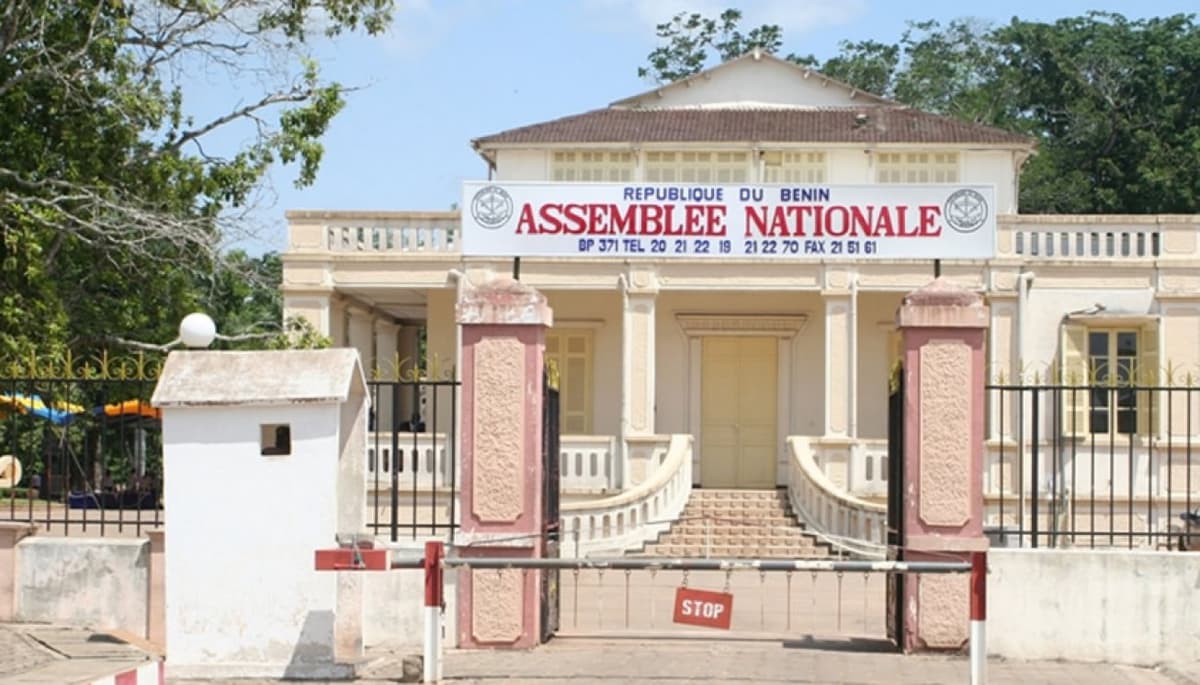
This situation has been strongly denounced by the parliamentary group, The Democrats, who see it as a weakening of executive control and accuse the president, Louis Vlavonou, of turning the Parliament into a simple relay of power.
In response to criticisms, Vitali Boton tried to provide some explanations. According to him, this direction is a result of a strategic choice: “on one hand, by the demonstrated desire to re-energize parliamentary control through more effective ground operations rooted in local realities; on the other hand, because of the end-of-legislature context, often marked by a slowdown of certain initiatives”.
The head of the communication unit of the National Assembly clarified that the Parliament has opted for more direct forms of control, focused on action. “The Parliament has favored active control missions: monitoring of infrastructure projects, evaluation of public policies, listening to citizens or raising awareness on security”, he pointed out.
He also highlighted “the remarkable action of the Caucus of women parliamentarians around the newly built modern markets in various regions of the country”.
Vitali Boton assured that the Parliament Office is working to rebalance control mechanisms by incorporating more public debates in the upcoming sessions. “Aware of the balance to be maintained among the different control mechanisms, the Office of the National Assembly is working to strengthen the complementarity between field missions and questions in plenary”, he declared, also expressing Parliament’s will to “continue, delve into and understand the actions of the executive”.


Comments
Comments load when you reach this section.