
Benin: Abdoulaye Bio Tchané elected president of the Economic and Social Council
Abdoulaye Bio Tchané is the new president of the Economic and Social Council (CES). His election takes place as part of the installation of the new term of this institution, whose missions have been expanded by a reform adopted in 2024.

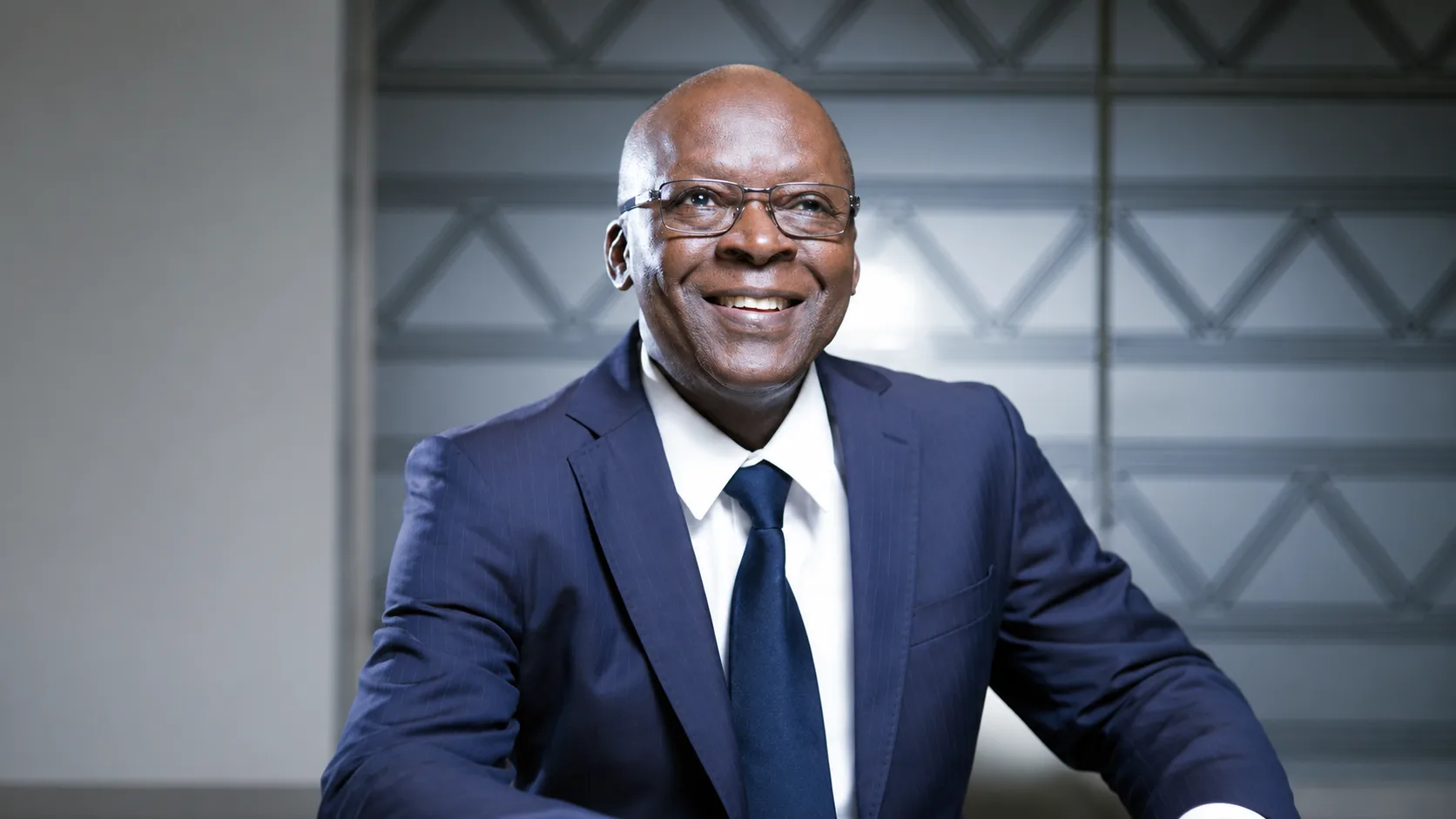
The Economic and Social Council (CES) has a new president. Meeting on Wednesday, July 22, to set up the office of the new term, the advisors chose Abdoulaye Bio Tchané, former Minister of State in charge of Development and Coordination of Government Action.
His appointment confirms the expectations surrounding his nomination as a member of the CES at the national level by the President of the Republic. An economist by training, Abdoulaye Bio Tchané has a long career in the Beninese public administrations and international financial institutions.
Before taking the helm of the CES, he held several high positions, including those of Minister of Economy and Finance, interim president of the West African Development Bank (BOAD), and director of the Africa Department of the International Monetary Fund (IMF). Over the last decade, he led the Ministry of Development and Coordination of Government Action, where he oversaw several economic reforms and development programs.
His election comes at a time marked by a profound reform of the Economic and Social Council. Law No. 2024-26 of July 17, 2024, redefined the institution’s missions and strengthened its presence across the national territory through a new organization.
The CES is now expected to play a more active role in public debate. It is tasked with issuing opinions and recommendations on economic, social, cultural, and environmental policies. The institution can also be consulted on issues related to the cost of living, the promotion of national production, social cohesion, and the prevention and resolution of conflicts.
In this new configuration, the president of the CES is called upon to ensure the functioning of the institution and to coordinate its work. The opinions formulated by the Council are intended to inform public authorities on major development issues and the concerns expressed by the populations.
Related Articles
 White House: Judge reinstates CNN, MS NOW, and Politico for 14 days
 Senegal: Guy Marius Sagna accuses Macron of a ‘pact’ between Diomaye and Macky
 Guinea: Cellou Dalein claims his passport has been revoked, blocking his departure for the UN
 Nigeria: 61 public officials linked to $271 million in assets in the United States
Comments
Comments load when you reach this section.