
Africa: Treasury yield surpasses 5%, Eurobond refinancing becomes more challenging
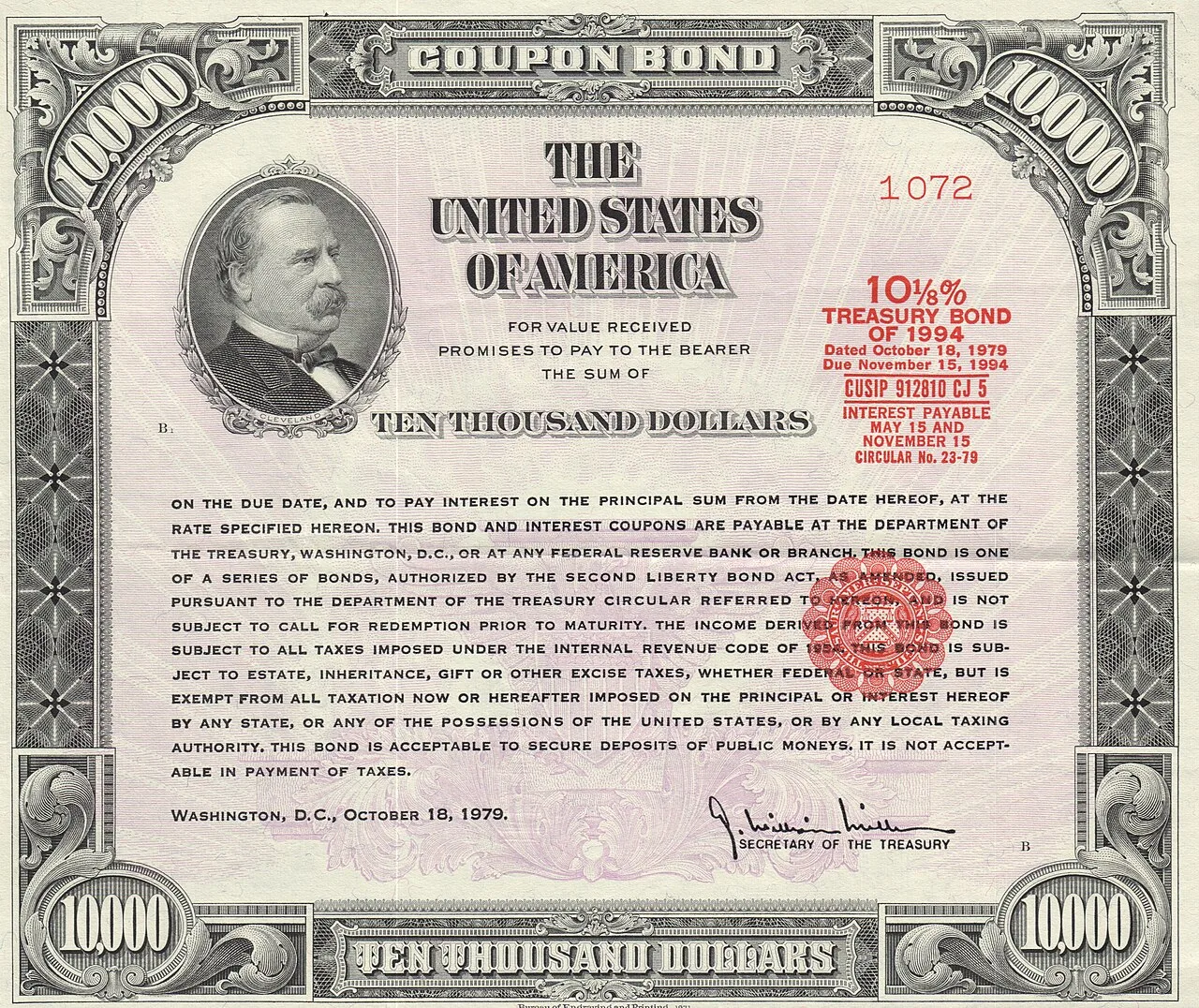
The yield on the U.S. ten-year Treasury bond exceeded 5% on Tuesday before settling around 4.99% on Wednesday morning. For African nations refinancing Eurobonds, this level raises the base cost to which their own risk premium is added.

This increase comes as several African countries are once again tapping into international markets, primarily to replace maturing debts. The African Development Bank reports that eight countries, including Benin, have collectively raised nearly $13.9 billion in international markets in 2026.
The mechanism directly impacts new issuances. The yield on a dollar-denominated sovereign bond combines the U.S. benchmark rate with a country-specific risk premium. If the Treasury yield rises without a corresponding decrease in this premium, the cost of refinancing increases.
The financial shock coincides with oil prices exceeding $100 per barrel. For energy-importing countries, a heavier oil bill reduces budget margins at a time when external borrowing conditions are tightening.
Refinancing is already replacing a significant portion of older issuances.
The rise in rates comes as the service of external public debt accounted for 31% of African public revenues in 2024, according to the AfDB. Between 2022 and 2024, interest payments reached approximately $87 billion.
A large portion of existing debt carries fixed rates. Therefore, the increase in Treasury yields does not immediately affect all budgets. It becomes particularly costly when a state must issue new securities or replace a maturing Eurobond.
The AfDB indicates that a significant share of new international African issuances is specifically aimed at refinancing old bonds rather than funding new investments. Thus, older debt can be replaced with more expensive debt, even if the borrowed amount remains stable.
Sovereign risk premiums can exacerbate the trend. During the Middle East shock in the spring, the AfDB observed an increase in the average African sovereign spread from 347 to 400 basis points between March 1 and March 26, 2026.
Local markets reduce currency risk but do not lower financing costs.
States can also borrow more in local currency. This approach prevents a depreciation of the currency from mechanically increasing the burden of dollar-denominated debt, but it does not guarantee cheap financing.
JPMorgan plans to launch its GBI-EM Edge index dedicated to local currency public bonds from frontier markets before the end of September. The index is set to cover nearly $330 billion of debt from 26 countries, with almost 45% weighting for Africa.
The announced nominal yield of this index is close to 10.4%. The AfDB also estimates that the median cost of servicing domestic African debt reached 4.7% of GDP in 2024. The often shorter maturities also require Treasuries to return to the market more frequently.
The Federal Reserve is set to announce its rate decision on Wednesday, September 16. The ten-year Treasury was trading around 4.99% on Wednesday morning, after surpassing 5% the previous day.
Related Articles
 DRC: referendum, new Constitution… Article 220 at the center of the standoff
 Benin: AA- rating from Bloomfield and its implications for Treasury borrowing
 South Africa’s reliance on imported fuels may have cost 76 billion rand
 DRC-USA: 50 projects submitted and 100,000 tons of copper for the American market
Comments
Comments load when you reach this section.