
Zambia: Hakainde Hichilema re-elected, electricity and copper at the heart of the second term
The Zambian president Hakainde Hichilema was declared the winner on Tuesday, August 18, 2026, of the election held five days earlier, obtaining a second five-year term. According to the results from the Electoral Commission reported by the EFE agency, he received 2,965,326 votes, which is 61.5% of the ballots.

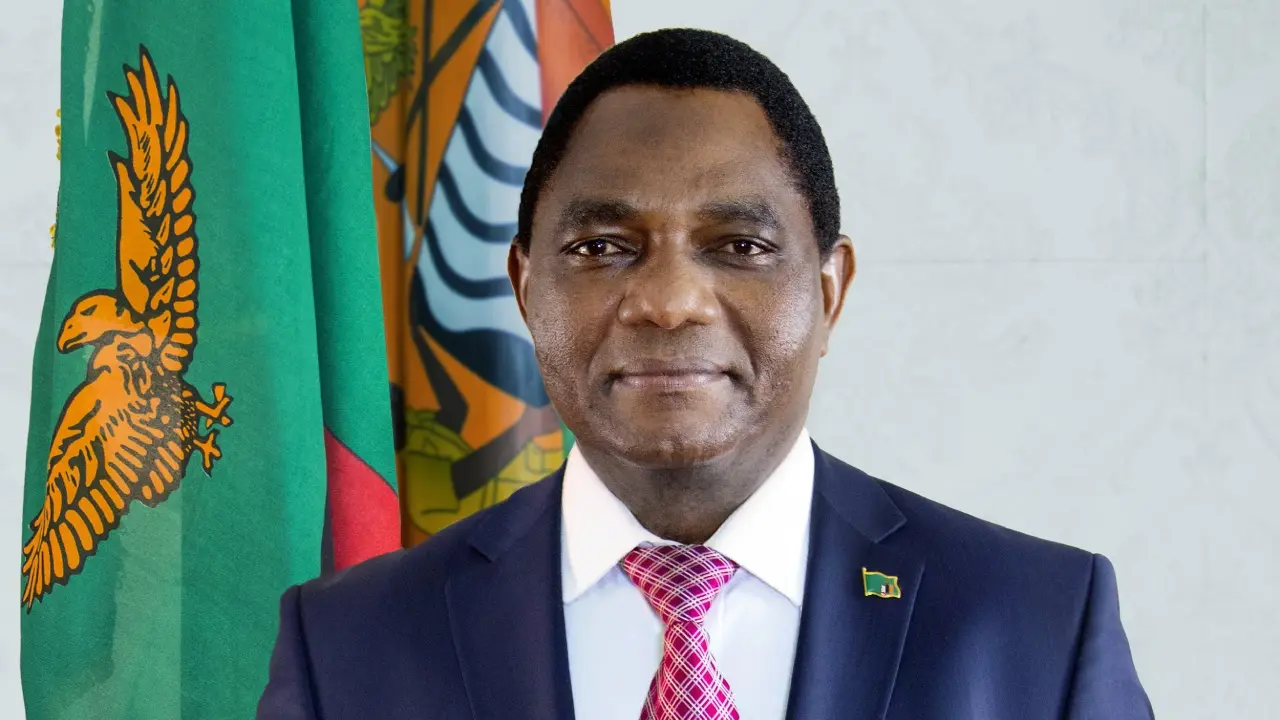
His main opponent, former minister Brian Mundubile, received 1,856,217 votes, or 37.9%. Hichilema, first elected in 2021, thus crossed the required threshold for re-election in the first round.
The outgoing president campaigned on the economic recovery initiated after Zambia’s default in 2020. Under his first term, the country restructured more than $12 billion in debt and stabilized several macroeconomic indicators, according to the Associated Press.
The election, however, took place in a tense atmosphere. The counting was briefly suspended after violence occurred at polling stations, while opposition officials were arrested. The European Union observation mission deemed the vote to be generally peaceful, while noting that fundamental freedoms and equality of campaigning conditions were constrained.
A target of three million tons of copper
For his second term, Hichilema promises to raise annual copper production to three million tons by 2031, which is more than three times the level observed at the beginning of his first term. This metal is the main source of export revenue for the country and attracts significant Chinese and Western investments.
The achievement of this goal depends in particular on the electricity supply. Power outages and capacity restrictions have weighed on households, mines, and foundries, in a country still heavily dependent on hydroelectric power.
The government had initiated thermal and solar projects during the first term, as well as metering measures allowing private producers to inject their surplus into the grid. The challenge is to increase available capacity while reducing the system’s vulnerability during dry periods.
The most quantified campaign commitment remains the target of three million tons of copper per year by the end of the term in 2031, presented by Hichilema as the engine for mining and industrial investment.

Comments
Comments load when you reach this section.