
United Kingdom: towards a 7th Prime Minister in 10 years after Keir Starmer’s resignation
The British Prime Minister Keir Starmer announced his resignation on Monday, June 22, 2026. Under fire from within the Labour Party after several electoral setbacks, he will step down as soon as his successor is appointed. His departure paves the way for the arrival of a seventh British chief executive in just ten years.

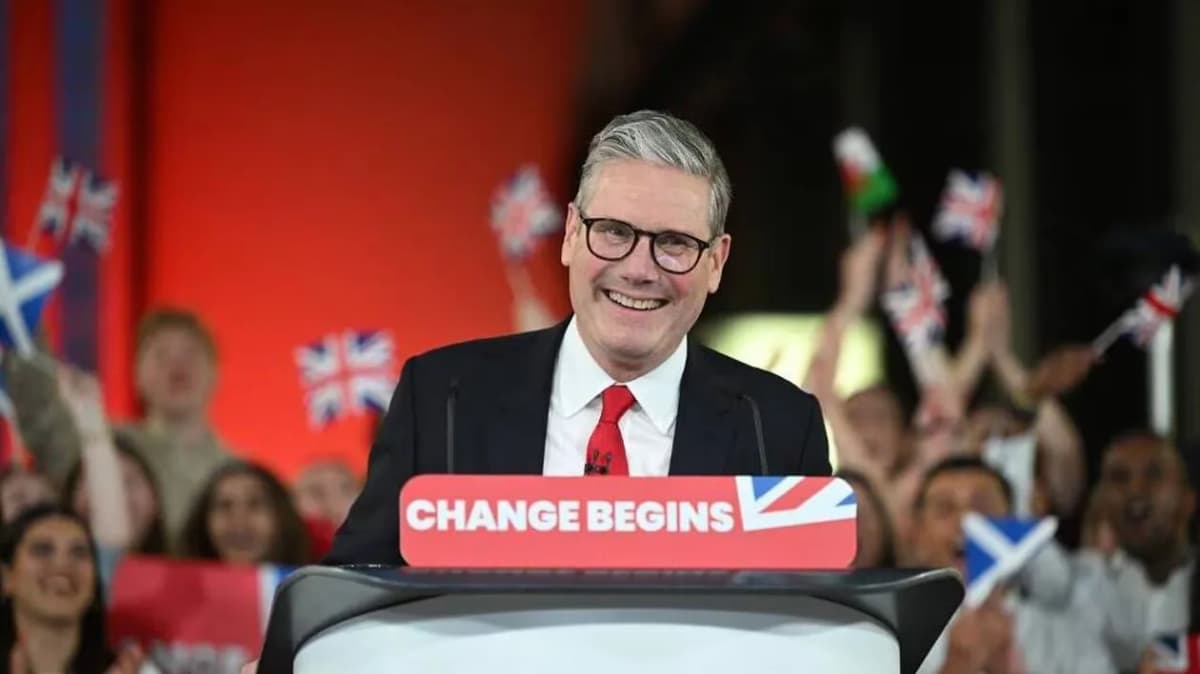
The United Kingdom is preparing for another change at the head of its government. On Monday, June 22, 2026, Prime Minister Keir Starmer announced his resignation from the leadership of the Labour Party as well as from his role as head of government.
In a statement delivered outside 10 Downing Street, the Labour leader explained that he made this decision in the interest of the country and his party. However, he specified that he would remain in office until a new Labour leader is appointed to ensure an orderly transition.
Having come to power in July 2024 following the historic victory of the Labour Party in the general elections, Keir Starmer ended fourteen years of Conservative government. But less than two years later, he finds himself weakened by declining popularity and several electoral setbacks.
The poor results recorded by Labour in the local elections last May heightened criticism within the party. The recent victory of Andy Burnham in a by-election also bolstered calls for a change in leadership. The former Mayor of Greater Manchester is now seen as one of the favorites to succeed Keir Starmer.
Beyond the Starmer case, this resignation illustrates the political instability that has characterized the United Kingdom for a decade. Since the Brexit referendum in 2016, occupants of 10 Downing Street have succeeded one another at an unprecedented pace. After David Cameron, Theresa May, Boris Johnson, Liz Truss, Rishi Sunak, and Keir Starmer, the next leader will become the seventh British Prime Minister in ten years.
This rapid succession of heads of government reflects the deep tensions that have marked British political life in recent years, amid the consequences of Brexit, economic difficulties, and divisions within the main parties.
The Labour Party should now begin the process of appointing its new leader. This leader will automatically take charge of the government due to the majority held by Labour in the House of Commons.

Comments
Comments load when you reach this section.