
Trump announces the United States’ withdrawal from 66 international organizations
U.S. President Donald Trump signed, on January 7, 2026, a presidential decree ordering the United States to withdraw from 66 international organizations, many of which are affiliated with the United Nations and multilateral institutions.
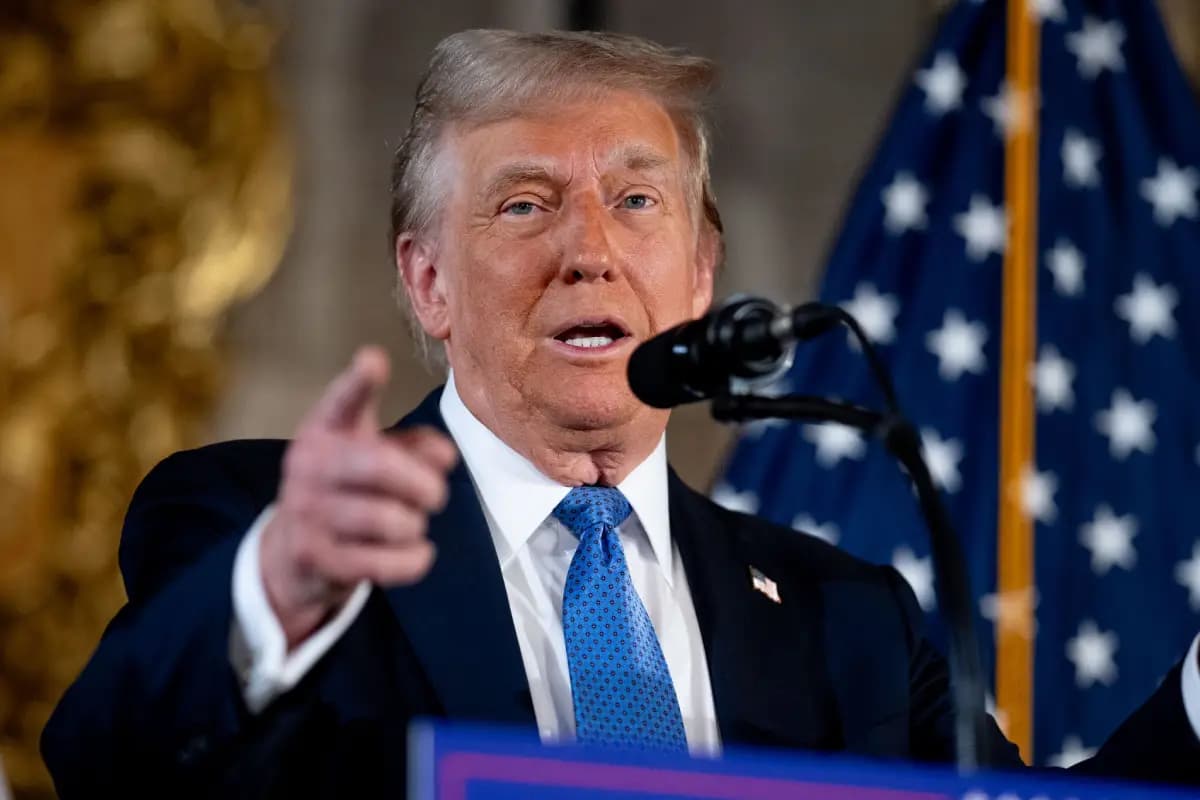
This decision, taken in the name of ‘the national interest’, marks one of Washington’s most significant ruptures with international cooperation in recent decades.
According to the White House, this memorandum requires all departments and agencies of the U.S. government to cease any participation in and funding of these organizations, deemed ‘contrary to national interests, to security, to economic prosperity, or to the sovereignty of the United States’.
Among the 66 entities involved, 31 are linked to the United Nations system, while 35 are not UN-related.
Among the withdrawals announced is notably the United Nations Framework Convention on Climate Change (UNFCCC), a foundational treaty for international cooperation in the fight against climate change, as well as specialized agencies and programs dedicated to areas such as the environment, trade, population, and gender equality.
The decision fits a stated trend by the Trump administration to refocus foreign policy on goals deemed more directly favorable to American interests.
White House officials justified the withdrawal by stating that some organizations were redundant, poorly managed, or engaged in ideological agendas deemed opposed to Washington’s priorities.
This diplomatic offensive extends other similar actions taken since Donald Trump returned to the presidency, notably the United States’ withdrawal from the Paris climate agreement and the exit from several UN agencies.
The measure has elicited mixed reactions internationally. Its supporters say that it protects American sovereignty and resources. Its critics warn that it could weaken global cooperation, particularly in areas such as the fight against climate change, public health, or socioeconomic development.
Related Articles
 Cooperation: Benin’s new request to escort Nigerien military equipment
 Cooperation: the ambassadors of Indonesia and Israel officially begin their missions in BeninDiplomacy: the Austrian ambassador begins his mission in Benin
 Leading Francophone chancelleries: Benin hands over the baton after a full term