
Sudan: the army is hunting down the FSR paramilitaries involved in gold trafficking at the Egyptian border.
A joint security operation has been underway for several days by Sudan and Egypt on either side of their border to combat gold smuggling networks. This initiative follows the decision of the Sudanese Security and Defense Council to take enhanced measures against trafficking that significantly contributes to financing the war.

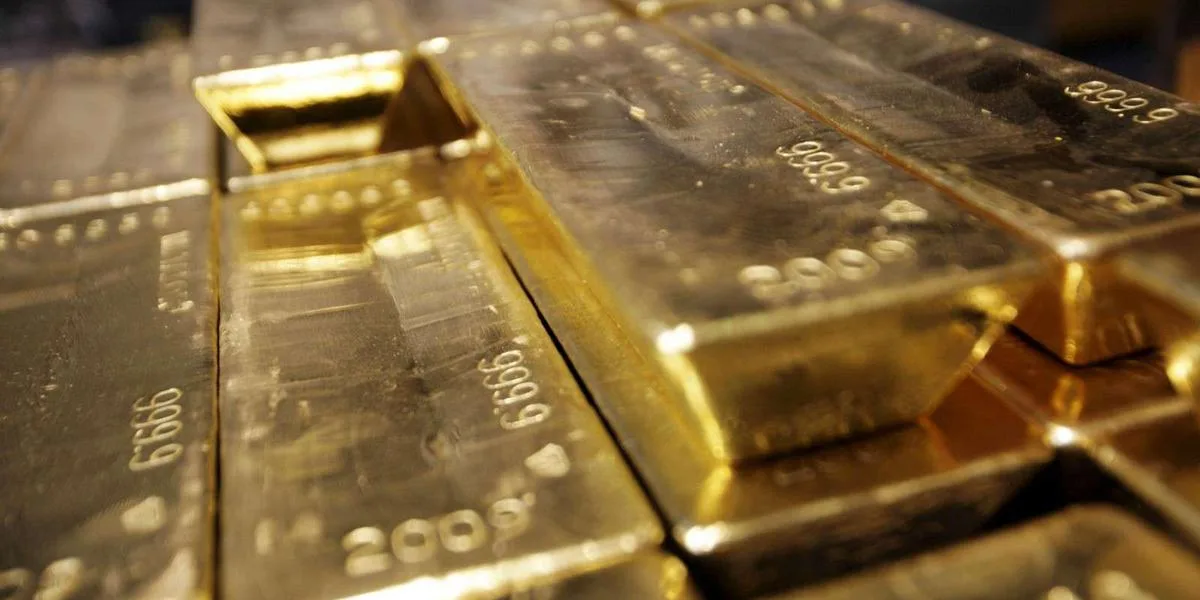
Sudan is one of the main gold producers on the African continent, but more than half of its production is believed to be sold illegally, according to experts. The Sudanese army claims it wants to target the Dahhaba, the gold miners, dismantle the clandestine extraction networks, and secure the mountainous areas near the Egyptian border.
These regions have become hotspots for smuggling and are particularly used by the Rapid Support Forces (RSF), which control part of Sudanese territory. Trafficking is said to provide significant resources for the paramilitaries led by Mohamed Hamdane Daglo, known as Hemedti, to continue fighting.
Hemedti was recently described by the British daily The Guardian as one of the richest men in Sudan. With his family, he took control of the Jabal Amer gold mine, regarded as the most important in the country, as early as 2017, while the RSF also seized 1,273 kilograms of gold stored in the central bank in Khartoum at the beginning of the war.
A trafficking that concerns both sides
However, the RSF are not the only ones benefiting from illegally extracted gold. The Sudanese army is also accused of participating in these circuits, particularly through Hassan al-Burhan, a lawyer and brother of General Abdel Fattah al-Burhan, the head of the Sudanese army.
In 2025, official gold production reached about 70 tons, its highest level in five years. However, this volume would remain significantly lower than the quantities sold clandestinely, according to several specialists in the field.
The European Union estimated in July that gold constituted one of the main sources of revenues used to finance the war in Sudan. It imposed new restrictions on Sudanese gold exports, targeting both sides involved in the conflict, the army and the paramilitaries.
Last week, British Foreign Secretary Yvette Cooper also announced sanctions against Sudanese gold exports. She stated that the population continues to pay the price of a war fueled by illicit flows of gold and funds that strengthen the financial capabilities of both parties.
Sanctions and networks under surveillance
The United States had already sanctioned in 2024 the company al-Jonaid, controlled by Hemedti’s family. This company is suspected of playing a central role in the economic activities linked to the paramilitary forces.
Satellite images analyzed in 2025 revealed the presence of landing strips and more than 40 tunnels at a site located in North Darfur. That same year, revenues from gold trafficking by paramilitaries were estimated at over $850 million.
The clandestine gold trade allows warring factions to purchase weapons, pay their fighters, and maintain their logistical networks. It also fuels regional rivalries over Sudan’s mining resources.
The conflict between the army and the RSF has plunged Sudan into a severe humanitarian crisis and caused the displacement of millions of people. In this context, control of gold-producing areas and smuggling routes has become a major strategic issue for both sides.

Comments
Comments load when you reach this section.