
Strait of Hormuz: The Emirates Accelerate Their Alternative Export Routes
The United Arab Emirates are accelerating their alternative export routes to reduce their dependence on the Strait of Hormuz, which has been severely disrupted by the war between the United States and Iran. The diplomatic advisor to the Emirati president, Anwar Gargash, outlined on Monday, September 7, in Abu Dhabi a strategy combining port capacities, pipelines, rail, and new trade corridors.

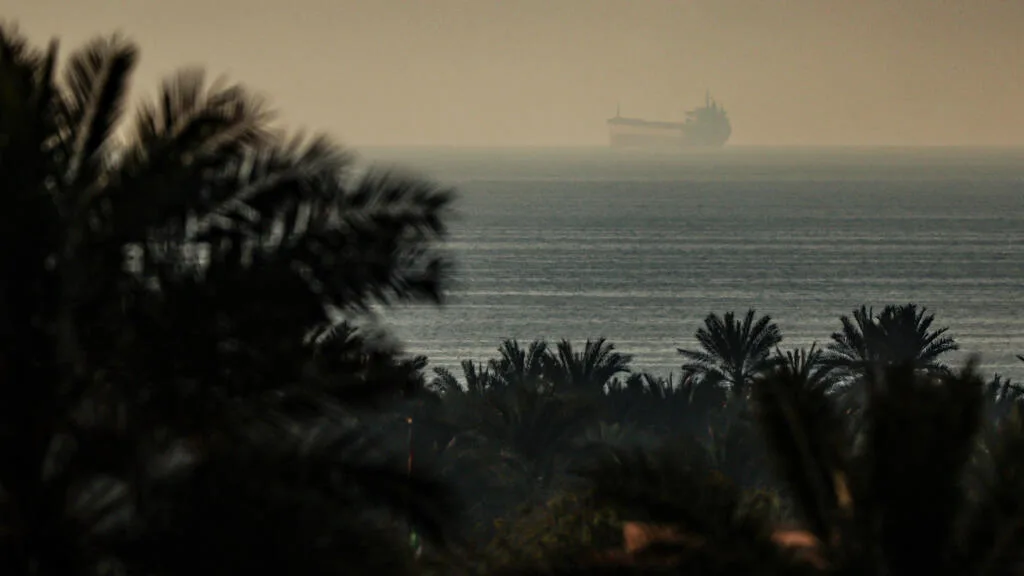
Abu Dhabi specifically wants to strengthen the infrastructure on the country’s eastern coast, facing the Sea of Oman, so that a larger share of energy and commercial flows can avoid passing through the strait. Anwar Gargash presented this diversification as an element of economic resilience and national security, in a context where maritime attacks and restrictions have weakened one of the main routes for global energy transportation.
The Strait of Hormuz remains at the heart of regional tensions. Iran has increased restrictions and threats to navigation in recent months, while commercial vessels have been targeted in the area. Bénin Web TV reported on Monday that Iran was preparing a new restricted maritime zone near the Strait of Hormuz, fueling concerns among shipowners and Gulf countries.
The consequences are also being felt in the markets. Concerns about supply have contributed to pushing crude prices back up, with Brent close to $100 per barrel on September 7. For the Emirates, a major producer and exporter of hydrocarbons, the increase in land and port outlets aims both to ensure the continuity of exports and to reduce geopolitical risk.
Anwar Gargash also advocated for greater strategic autonomy for the Gulf countries. He believed that the regional collective response to Iranian attacks had not been commensurate with the threat, despite the defense capabilities developed separately by several states. The Emirati official nevertheless maintained the necessity of a diplomatic outcome, while considering that restoring trust with Tehran will take time.
These statements were made at the opening of the Hili Forum 2026, held on September 7 and 8 in Abu Dhabi by the Emirates Center for Strategic Studies and Research and the Anwar Gargash Diplomatic Academy. This year’s discussions focus on security, energy, trade, technology, and strategic corridors in the Gulf.
Diversification does not mean that the Strait of Hormuz can be quickly replaced. Qatar reminded the same forum that this maritime route remains essential to global trade, including for oil, gas, fertilizers, and other industrial products. The new infrastructure must primarily provide the Emirates with more options when maritime traffic is interrupted or severely disrupted.
Related Articles
 Senegal: Sidy Diop Returns to the Stage at Malika Beach, Rumors About Soubatel Remain Unconfirmed
 Justin and Hailey Bieber unveil an intimate photo shoot for the first cover of WYouth
 Abuja: a sealed building collapses in Wuse, search ongoing
 F1: Isack Hadjar misses a 3rd Grand Prix, Lawson replaces him in Madrid
Comments
Comments load when you reach this section.