
Senegal: why the Research Section tried to summon Cheikh Bara Ndiaye to the Assembly
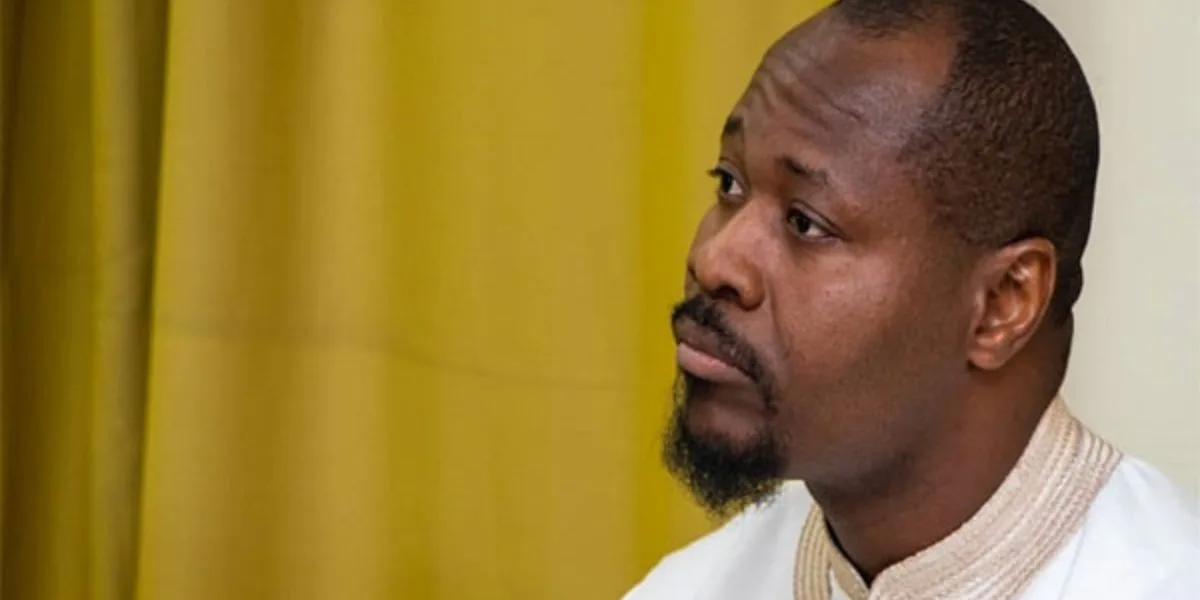
Elements from the Research Section attempted to apprehend the MP Pastef Cheikh Bara Ndiaye within the National Assembly, just minutes after the election of Ousmane Sonko to the presidency on Tuesday, May 26. The intervention, aborted after the parliamentarian was extricated by his colleagues, occurs in an explosive political climate, amidst public accusations against Finance Minister Cheikh Diba and a debate on parliamentary immunity.

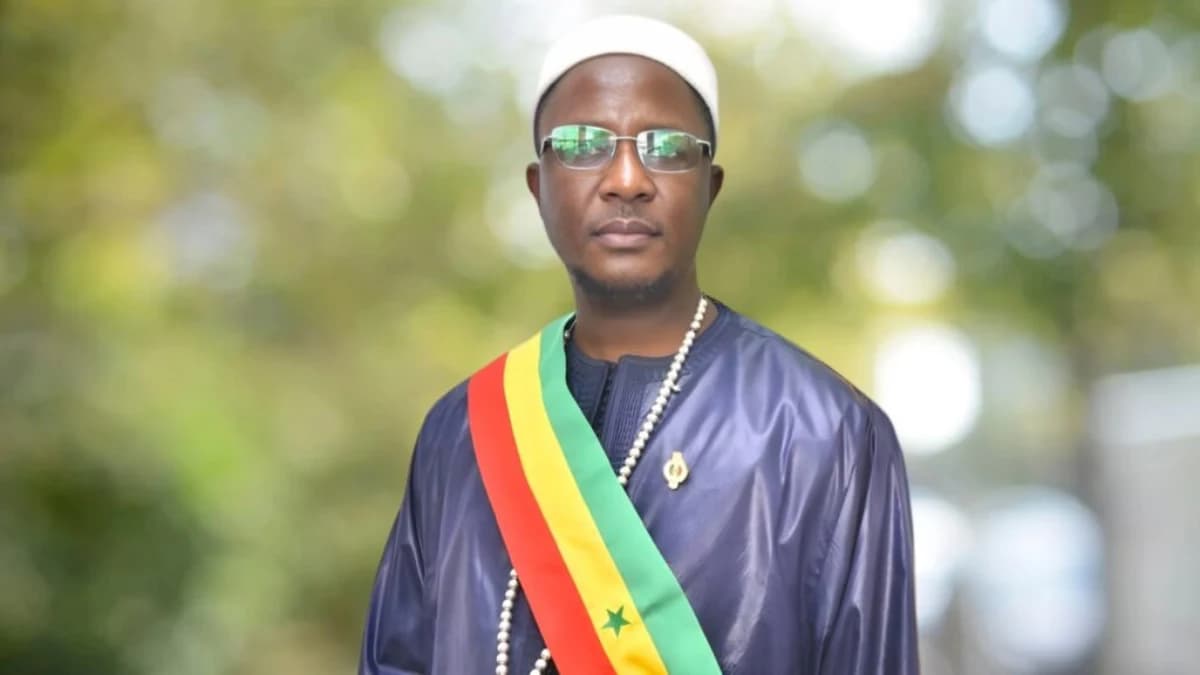
Elements from the Research Section (SR) of the Senegalese national gendarmerie burst into the National Assembly on Tuesday, May 26, 2026, just minutes after Ousmane Sonko’s inauguration as president of the institution, to attempt to apprehend MP Pastef Cheikh Bara Ndiaye, according to information relayed by Senenews and several other Senegalese media outlets. Parliamentary colleagues intervened before extricating Ndiaye to safety within the hemicycle, where he took refuge. At the time of publication, there was no official statement from the gendarmerie or the prosecutor confirming or specifying the charges underlying this attempted apprehension.
The SR’s intervention is set against the backdrop of serious accusations publicly made by Cheikh Bara Ndiaye against the Finance and Budget Minister, Cheikh Diba, whom he accused during an appearance on Walf TV of holding “several hundreds of billions of FCFA improperly obtained.” The parliamentarian also implicated President Faye, claiming the latter would have been aware of these alleged funds or even covered up their existence. These statements immediately sparked a chain reaction within Senegal’s political class.
Ecobank Senegal, for its part, formally denied the authenticity of the banking and administrative documents attributed to Cheikh Diba that circulated on social media in connection with these accusations, stating in an official note that the graphic pieces stamped with its logo “do not originate from its internal services’ traceability.” Neither Cheikh Diba nor the presidency of the Republic had, to the best of available sources, publicly responded to the MP’s accusations before the plenary session on May 26.
An MP with Repeated Positions Against the Presidency
Cheikh Bara Ndiaye, born on March 8, 1987, in Touba, has been a Pastef MP since December 2, 2024. He sits on the committee for laws, decentralization, labor, and human rights. Since entering the hemicycle, he has distinguished himself through a series of critical positions towards President Bassirou Diomaye Faye, often presented as an expression of the sovereignist line close to Sonko.
In March 2026, his remarks in the Assembly during the debate on the law against unnatural acts, where he called Faye a “baby of the year,” triggered demands for disciplinary sanctions from civic organizations and a formal observation from the National Council for the Regulation of Audiovisual Media (CNRA) against Walf TV for broadcasting “remarkably violent remarks” against the head of state. Cheikh Bara rejected these accusations and challenged the CNRA to take action. In April 2026, a physical altercation occurred between him and his colleague Pastef Félicité Bougane Sarr in the hemicycle. In May 2026, he abstained during a vote on amending the internal regulations, contesting the mechanism allowing for the removal of a mandate from an MP for repeated absences.
The Question of Flagrant Delict as a Possible Legal Basis
The attempt to apprehend an MP in session raises a specific constitutional question. According to Article 61 of the Senegalese Constitution, “no MP may, during the duration of sessions, be prosecuted or arrested for criminal or correctional matters without the authorization of the Assembly.” However, the same article provides for an exception: an MP “caught in the act or fleeing after committing wrongful acts” can be arrested without prior authorization from the Bureau of the Assembly. It seems that this exception was implicitly invoked by the SR’s action. The question of whether remarks made in the preceding days on a television program constitute a flagrant delict in the constitutional sense was at the heart of the legal debate raised by the incident.
The attempt to apprehend failed: Cheikh Bara Ndiaye remained within the National Assembly premises. His legal situation and the potential for a formal request for the lifting of his parliamentary immunity had not been officially clarified by the time of publication. The presumption of innocence applies to all individuals implicated in this matter.
Comments
Comments load when you reach this section.