
Senegal: Ousmane Sonko’s insights on his dismissal and what he blames Diomaye Faye for.
Ousmane Sonko shared his version of his dismissal and accused Bassirou Diomaye Faye of attempting to form a government without considering Pastef, which is largely in the majority in the National Assembly. While acknowledging his party’s non-participation in Lô’s government, he rules out an immediate vote of no confidence and calls for political dialogue in a context of assumed cohabitation.

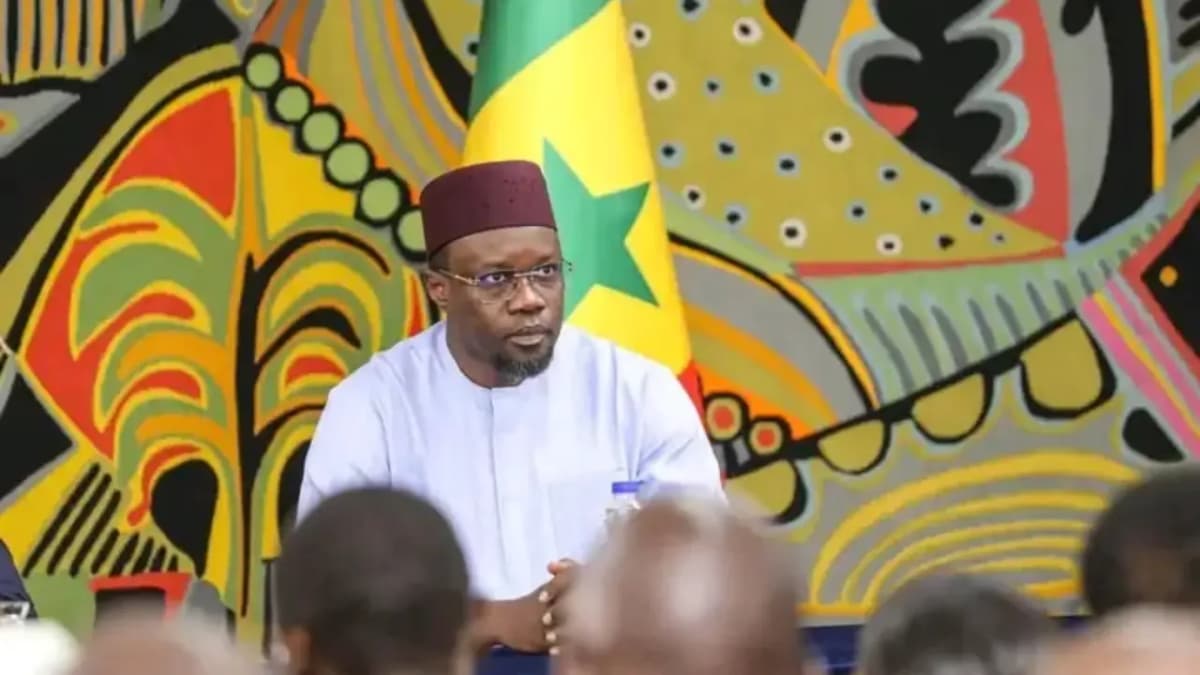
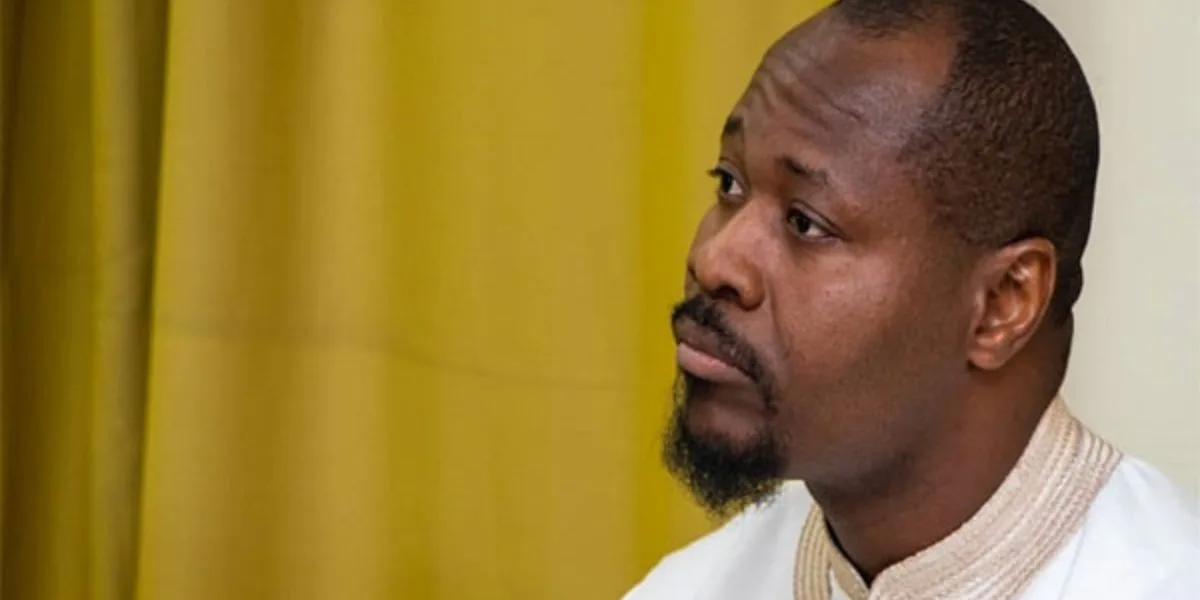
The former Prime Minister and new President of the National Assembly, Ousmane Sonko, held a press conference on June 2 in Dakar during which he described the circumstances of his dismissal on May 22 by President Bassirou Diomaye Faye and confirmed his party, Pastef’s, non-participation in the government formed on June 1.
This is Sonko’s first public statement since his eviction from the premiership. The government constituted by President Faye, led by technocrat Ahmadou Al Aminou Mohamed Lô, a former official of the Central Bank of West African States (BCEAO), consists of thirty members. Pastef, holding 130 of the 165 seats in the National Assembly, is officially represented by no ministers recognized by the party leadership.
Sonko indicated that during their meeting on the morning of June 1, President Faye only offered him seven portfolios out of thirty, with none being a ministry of sovereignty. Three of the seven names initially targeted, according to him, were already members who had contradicted party guidelines by responding individually to invitations from the presidency, effectively reducing the actual offer to four positions. “We do not command ministerial posts,” he said, adding that Pastef could not endorse a government without having at least half of the portfolios associated with sovereign functions.
The account of an uncoordinated dismissal
Sonko indicated that he had repeatedly proposed to Diomaye Faye, before May 22, to voluntarily step down to the presidency of the National Assembly, notably the day after the legislative elections won by Pastef with over 80% of the seats. The president reportedly refused each time, responding that “your place is next to me in the executive.” It was ultimately Diomaye Faye who took the initiative for the rupture.
On the afternoon of May 22, President Faye received him at the Palace around 4 p.m., informing him of his decision to end their collaboration. Sonko requested a delay of 24 to 48 hours to organize an orderly transition, refusing to depict the separation as a coordinated decision. The president left the meeting to visit the Archbishop of Dakar, promising to resume discussions in the evening. At 8:35 p.m., he sent a message to Sonko to inform him that he could no longer hold the meeting and that he would announce the dismissal. A few minutes later, the decree was read by the government’s Secretary-General.
After the official announcement, President Faye reportedly attempted to individually contact several ministers from Pastef to rally them to the new government. Sonko instructed them not to comply with these invitations, believing that any discussion with Pastef should go through the party’s political office and the party president. He disavowed the party members remaining in the government – specifically naming Moussa Bala Fofana and Ibrahim Messa – stating: “Pastef has zero ministers in this government. Those who have stayed are there for their own interests.”
An accepted cohabitation, a vote of no confidence excluded
Sonko claimed that Pastef would not submit a vote of no confidence against Lô’s government, despite the party’s arithmetic capacity to overturn it. “In seventy-two hours, this government could fall. But we will not censure it,” he declared, citing the country’s economic stability and relations with international partners and investors. He expressed that entering into a crisis of censure or dissolution would jeopardize any agreement with the International Monetary Fund, with which Senegal has not reached an agreement since the revelation in 2024 of an under-declaration of debt by the previous government.
Sonko identified four points of disagreement with the presidential management: the issue of debt and negotiations with the IMF, purchasing power, renegotiation of strategic contracts, and the conduct of justice. On this last point, he noted that “nothing substantial” had been achieved in two years and that the appointment of a head of the Ministry of Justice who is “at the heart of cases handled by certain courts” did not reassure the party.
He issued a direct warning to Prime Minister Ahmadou Al Aminou Lô, asking him to “stay in his place” and not to engage in partisan political games, while calling on President Faye for “intelligent and constructive political dialogue” through the party’s official channels. “It takes two to make peace,” he stated.
The congress of June 6 as the next deadline
Sonko announced the holding of Pastef’s first congress on June 6, which he presented as a mobilization meeting in a “particular context,” in anticipation of the local elections in 2027 and the presidential election in 2029. He urged his militants to “stay calm” in the face of what he described as provocations – invitations to deputies, arrests of militants, attempts to challenge his mandate as a deputy by the Constitutional Council.
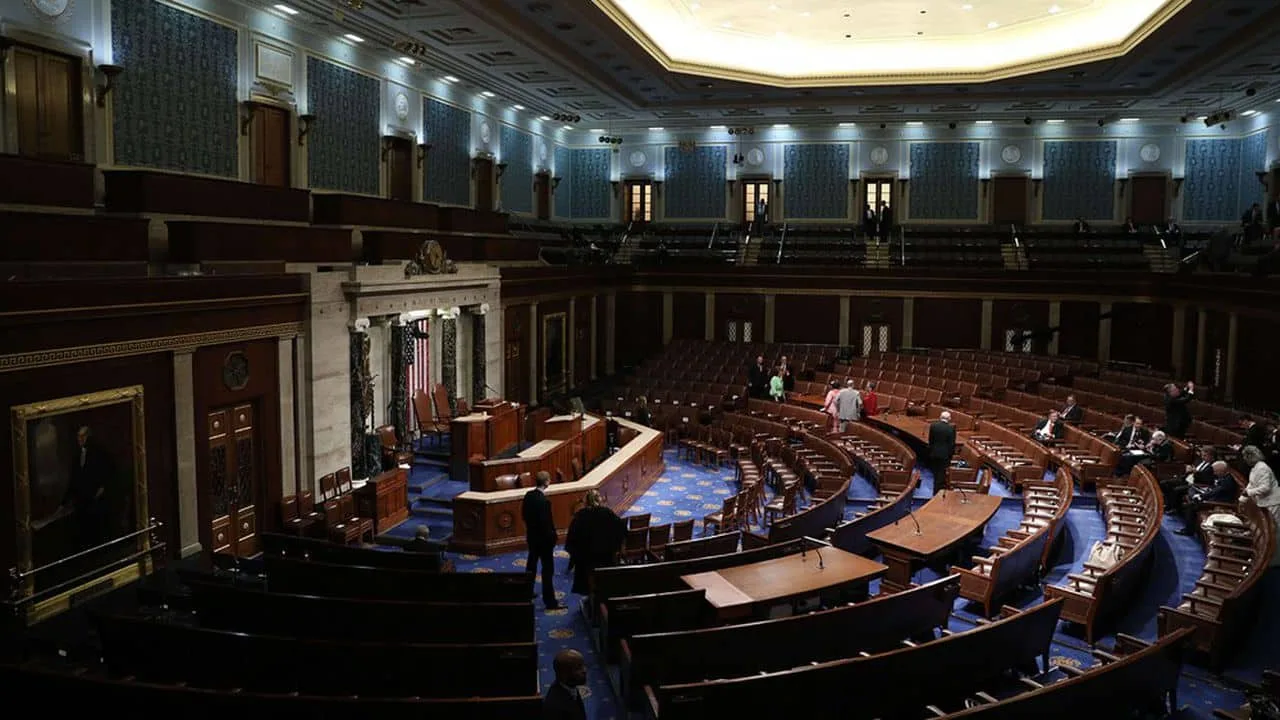
Regarding the institutional situation, Sonko estimated that Pastef, with 130 deputies out of 165, effectively imposed a cohabitation that President Faye should accept. “He needs to come down from his pedestal and we need to talk as responsible parties in the interest of this country,” he stated, recalling historical precedents of cohabitation under the Socialist Party and the PDS. He compared the situation to that of an American president forced to negotiate with an opposition Congress after mid-term elections.
Comments
Comments load when you reach this section.