
Senegal: Ousmane Sonko reinstated as a deputy, the presidency in sight
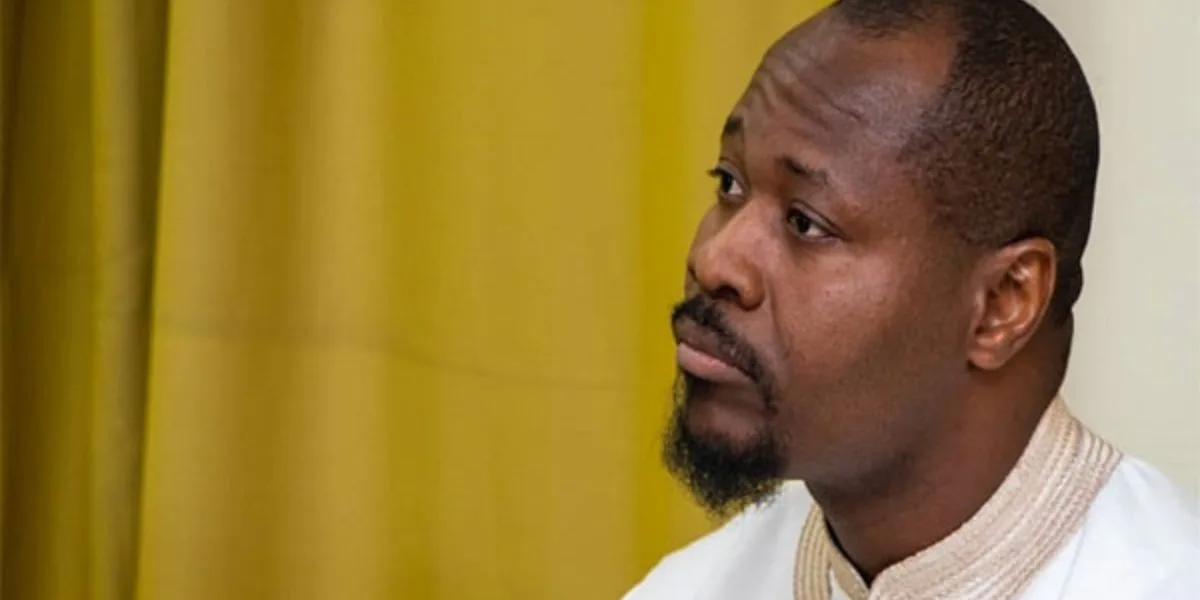
Ousmane Sonko could return to the National Assembly as soon as May 26, just four days after being dismissed from the Prime Minister’s office by Bassirou Diomaye Faye. His reintegration as a deputy and potential election as the president of the institution would open a new phase of political confrontation at the highest levels of the State, in the context of constitutional contestation and internal reconfiguration within Pastef.

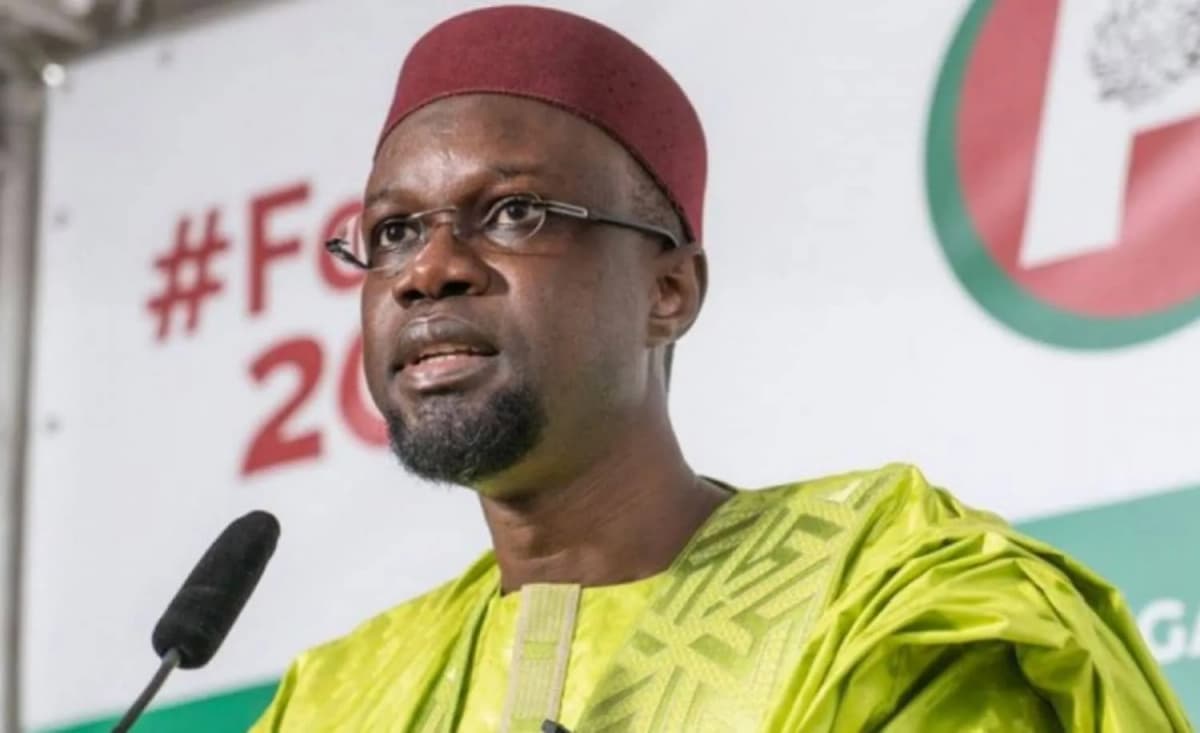
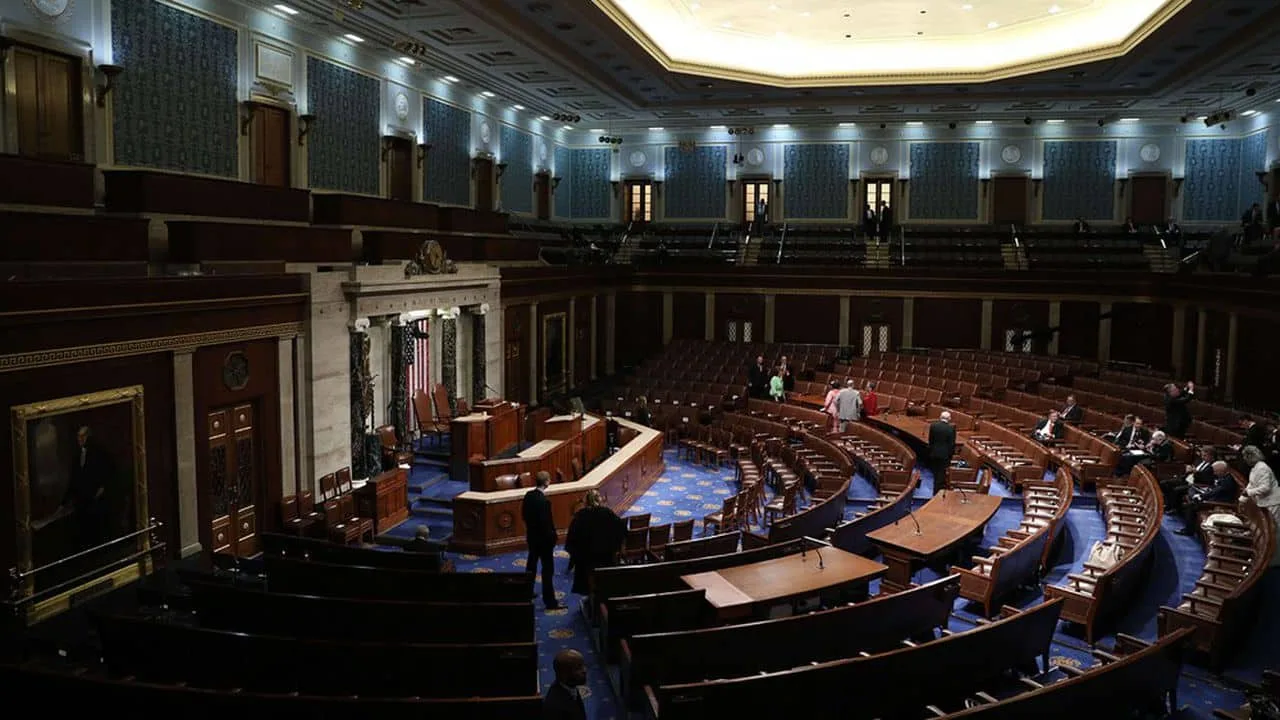
The Senegalese National Assembly will meet in plenary session on Tuesday, May 26, 2026, at 9:00 AM to examine the reintegration of Ousmane Sonko as a deputy and elect a new president of the institution, four days after the dismissal of the former Prime Minister by the head of State, Bassirou Diomaye Faye.
The convocation was signed on Sunday by the first vice-president of the institution, Ismaïla Diallo, following the resignation of the outgoing president of the assembly, El Malick Ndiaye, a close associate of Sonko. The Assembly Bureau had, in the wake of a meeting held on Sunday starting at 3:00 PM, validated the request for the reintegration of Ousmane Sonko to his deputy seat, which had been suspended since his appointment as Prime Minister in April 2024. His substitute, Ismaïla Wone, has renounced his mandate to make way for him.
With 130 seats out of 165, Pastef has a sufficient arithmetic majority to elect its candidate without seeking a coalition. The absolute majority required for the presidency is set at 83 votes. No other name besides Sonko’s has been publicly put forward within the party.
El Malick Ndiaye, who was elected president of the 15th legislature in December 2024 with 134 votes, stated in a message posted on his social media that he will retain his mandate as a deputy. He did not explicitly mention Sonko’s ousting from the Prime Minister’s office as one of the reasons for his departure.
A constitutional contestation before the session
The regularity of the procedure is contested even before the plenary session takes place. Doudou Ka, a former government member, published a statement on Sunday describing the operation as a “parliamentary hold-up” and an “absolute constitutional impossibility.” He refers to Article 54 of the Constitution, which states that government members’ functions are incompatible with holding a parliamentary mandate. According to Doudou Ka, Ousmane Sonko led the Pastef national list during the November 2024 legislative elections while serving as Prime Minister without having voluntarily resigned from his governmental duties.
Constitutional expert Ndiaga Sylla, on his part, recalled the applicable rule: a deputy appointed to a government position can return to the Assembly unless they have voluntarily resigned from their mandate. In Sonko’s case, the mandate was suspended due to governmental duties and not abandoned. Professor Moussa Diaw had previously assessed that this resumption of mandate was legally possible.
Doudou Ka made three explicit appeals in his statement, including a request to President Faye not to validate the procedure and an invitation to reread Article 39 of the Constitution. The presidency has not publicly reacted to these statements.
An internal rebalancing within Pastef
Sonko’s dismissal on May 22 revealed previously contained tensions at the top of the Senegalese State between the head of State and his former mentor. The resignation of El Malick Ndiaye is perceived by several observers of Senegalese political life as a positioning in favor of Sonko in the internal reconfiguration that opens within Pastef.
Faye will not be able to dissolve the National Assembly before November 2026, two years after the start of the current legislature. The issue of the loyalty of the 130 elected Pastef members — to Faye or to Sonko — constitutes one of the central stakes of the current political sequence.
If Sonko is elected president of the Assembly on Tuesday, he would access the second institution of the Republic, allowing him to continue to influence legislative orientations and hold a prominent institutional position without belonging to the government appointed by Faye.
Comments
Comments load when you reach this section.