
Senegal – Digital: Influencers soon to be subject to tax
Prime Minister Ousmane Sonko surprised many on Thursday, August 1, by announcing the implementation of specific taxation for influencers, vloggers, and other content creators.
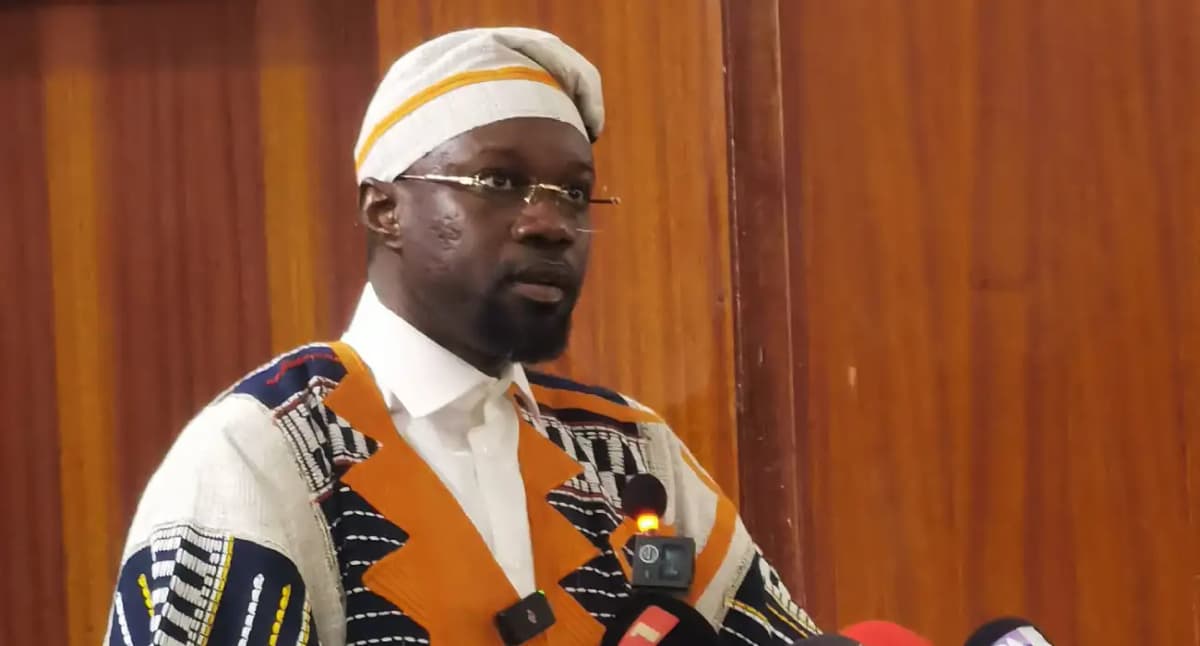
Prime Minister Ousmane Sonko surprised many on Thursday, August 1, by announcing the implementation of specific taxation for influencers, vloggers, and other content creators.
The measure, included in the “Jubbanti Koom” economic and social recovery plan, aims to broaden the tax base of a sector that has largely remained off the radar.
A new tax base for an expanding sector
Until now, the revenue generated on YouTube, Instagram, TikTok, or X has largely escaped control from the Senegalese tax office. “From now on, you will have to pay at the counter,” summarized Ousmane Sonko, believing that “every economic player must contribute to the national effort.” The government therefore intends to capture a part of the advertising gains and commercial partnerships that are proliferating on social networks.
The initiative has been praised by entrepreneur and activist Mame Balla Mbow: “Tax collection is mandatory for every citizen, whether they are content creators, mechanics, or bricklayers.” The interested party, however, calls for a graduated approach: “Many highly followed young people do not actually make a living from it.”
He advocates for a levy at the source on the gains paid by the platforms, provided that they actually pay their users: “TikTok or Instagram need to play the game; without transparency on revenues, the reform will remain theoretical”.
The Ministry of Finance is expected to specify, by the fourth quarter, the scale and declaration threshold. According to a preliminary draft, the regime would be progressive, with exemptions or reduced rates for “nano-creators” whose annual income remains modest.
For Dakar, the issue goes beyond simple budgetary revenue: it is also about formalizing a burgeoning digital economy, and reaffirming tax equity at a time when influence is becoming a profession in its own right.
Related Articles
 CRIET: the TikToker Flapacha sentenced to 60 months in prison and ordered to pay several million in fines
 Benin: a truck driver’s faulty maneuver leaves one dead and one injured in ZèZémidjan robbery in Bohicon: one suspect beaten by the crowd, the other missing
 Benin: a former president of UNSEB sentenced to two years in prison