Presidential Election 2025 in Côte d’Ivoire: these candidacies that conceal another political calculation
As the 2025 presidential election in Ivory Coast nears, candidacies are multiplying. Certain familiar faces from the Ivorian political landscape, but also newcomers or peripheral figures, are announcing their intention to run for the highest office one after another. At first glance, this phenomenon might seem like a simple opportunistic effect of democracy. But looking closer, these candidacies reveal a deeper strategy: positioning for the post-2025 period, in anticipation of the 2030 horizon.
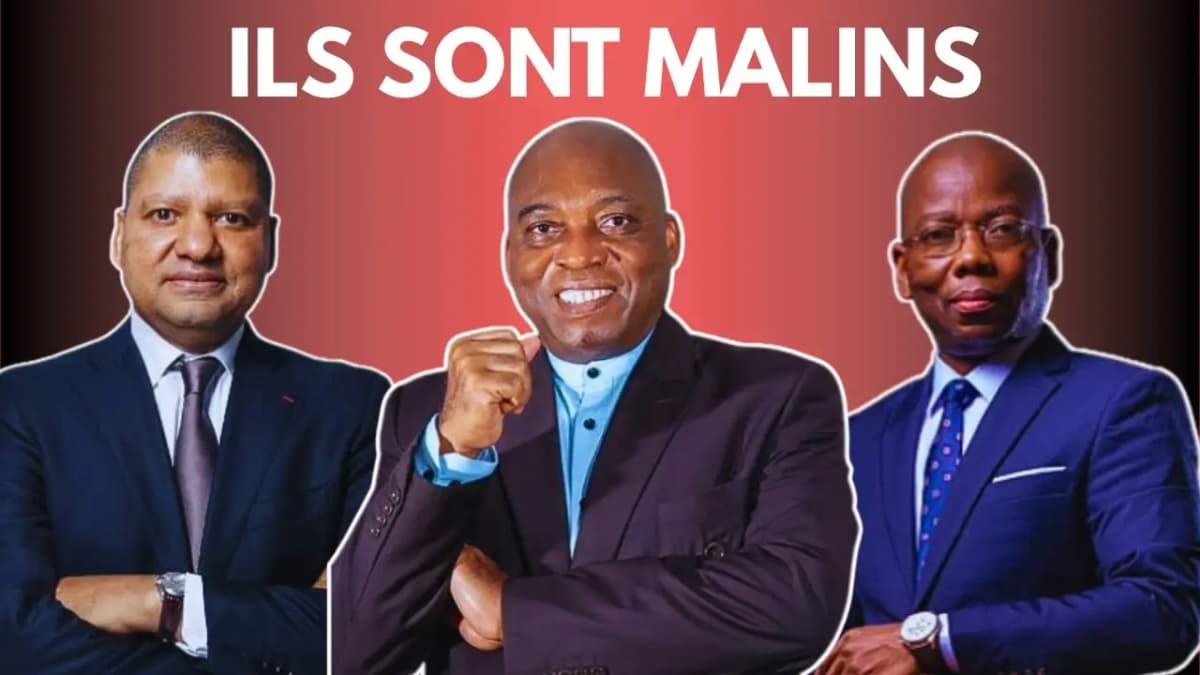
Analysing the recent movements on the Ivorian political chessboard, it can be noted that in reality, few of these claimants harbor real illusions about their chances of winning the 2025 presidential election. The current political context, marked by the dominance of the RHDP and the marginalization of key opposition figures, points to a locked election. President Alassane Ouattara, who has confirmed his candidacy, benefits from a well-oiled state apparatus and a firmly established party. In contrast, the historic opponents – Laurent Gbagbo, now politically weakened, and the late Henri Konan Bédié, whose legacy is still claimed but hard to embody – no longer offer dynamic prospects. In this locked landscape, 2025 appears less as an electoral turning point than as a transitional stage.
It is precisely this perspective that pushes several political figures, like Awa Don Melo, to start now. Their ambition is not directly aimed at 2025, but fits into a strategy of positioning for 2030, a date when the “big three” of the Ivorian political scene will have, barring surprises, left the limelight. The emergence of new leaderships will then depend on visibility, grounding, and consistency in public debate. This is well understood by those who are speaking out today, even if they are not yet ready to govern.
This positioning strategy affects both parties and independent figures. Within the RHDP, Ouattara’s succession is open, despite the declarations of loyalty from figures like Adama Bictogo. In the PDCI, the post-Bédié period remains uncertain, while ambitions are sharpening. In this context, former lieutenants, the disappointed, or the young hungry wolves try to imprint their name on the landscape. Charles Blé Goudé and Guillaume Soro, each in a posture of rupture, are also seeking to exist outside the shadow of the “founding fathers”. But the price to pay is heavy and often rhymes with marginalization, criticism, and sometimes exile. But the stakes are high.
However, this dynamic reveals a deep flaw in the functioning of Ivorian democracy. That is the chronic inability to renew its political class. For nearly three decades, power has oscillated between the same figures, the same speeches, the same rivalries. The new candidacies are as many calls to break out of this clan logic, where existing in politics seems inseparable from an ideological or personal affiliation with the historic leaders.