
Preparations for the 2026 general elections: CENA gives a satisfactory progress report
The president of the Commission Électorale Nationale Autonome (CENA), Sacca Lafia, on Friday in Cotonou gave a progress update on the ongoing electoral process ahead of the 2026 general elections, following the phase for collecting endorsement forms.

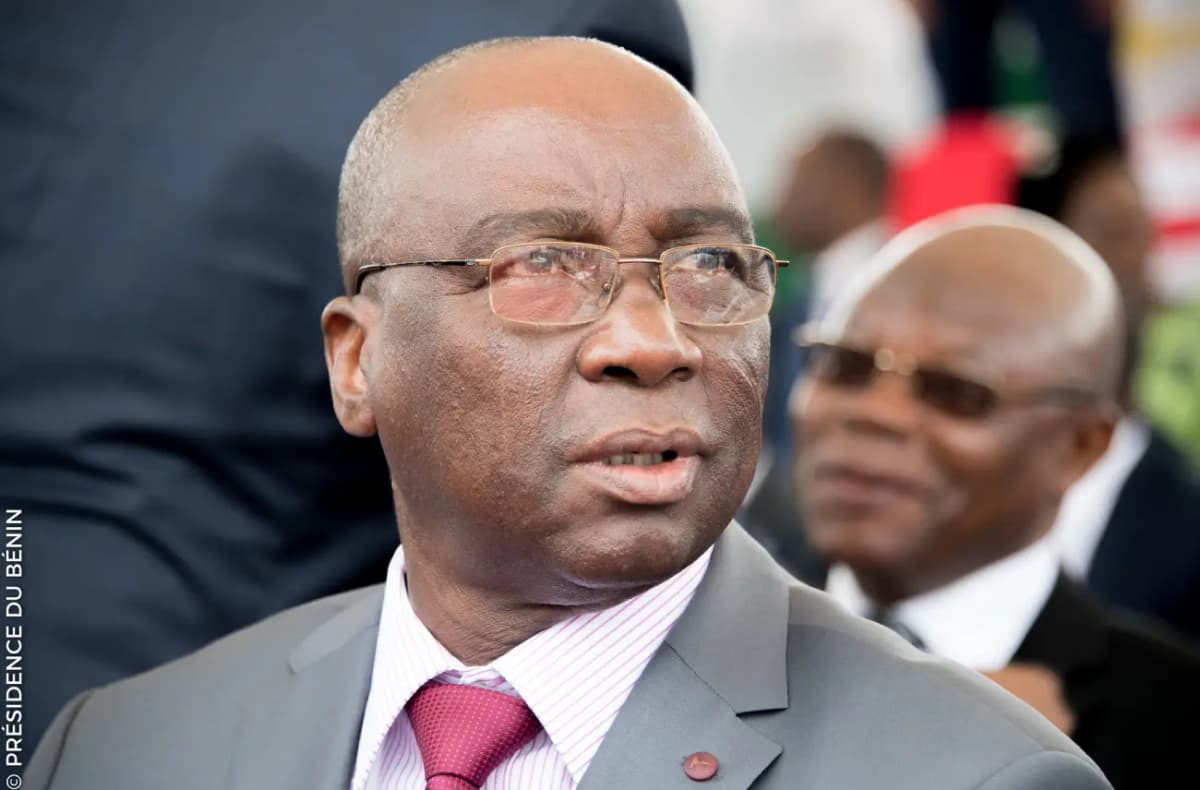
Accompanied by his adviser Ibrahim Izou-Deen and the rapporteur Laurentine Adossou Davo, he announced that all 109 deputies and the 77 mayors concerned have collected their endorsement forms, praising the elected officials’ sense of responsibility and their support for the system put in place.
Sacca Lafia highlighted the innovation of the e-parrainage platform, which, he said, allowed this essential step to be secured and digitized, thus strengthening the transparency and efficiency of the process.
Beyond endorsements, CENA indicated that other important tasks are already well advanced: drafting the electoral budget, publishing the official calendars, receiving provisional statistics from the computerized voter register, as well as launching an online training platform on the legal framework for elections.
Modernizing the electoral system is at the heart of CENA’s concerns. An updated version of the e-déclaration platform (online management of candidacies) will soon be deployed, accompanied by training for the technical staff of political parties to ensure they are proficient with the system.
The accreditation process for election observers will also be fully digitized, from application submission to the secure generation of identification credentials.
With candidate registration scheduled to take place between October and November 2025, CENA remains on course toward “fair, credible, transparent and peaceful” elections.
The institution’s president stressed that the success of these actions is a collective effort, thanking political parties, civil society, partner institutions and the media for their involvement.
Related Articles
 Assemblée nationale du Bénin: convocation de la deuxième session extraordinaire pour le 7 septembre 2026
 PAG 22026 – 2033: après les grands chantiers de Talon, les Béninois attendent désormais les dividendes sociaux de Wadagni
 Bénin: le gouvernement reprend ses Conseils des ministres après la pause estivalePolitique: ce que les béninois apprécient dans le premier trimestre de Romuald Wadagni à la tête de l’État
Comments
Comments load when you reach this section.