
Nigeria: the dream of a single opposition candidate against Bola Tinubu is already fading.
One month after the Ibadan Declaration, the Nigerian opposition is already struggling to maintain its plan for a single candidate in the 2027 presidential election. The departures of Peter Obi and Rabiu Kwankwaso to the Nigeria Democratic Congress weaken the anti-Tinubu coalition and revive the divisions that had already benefited the APC during the 2023 elections.

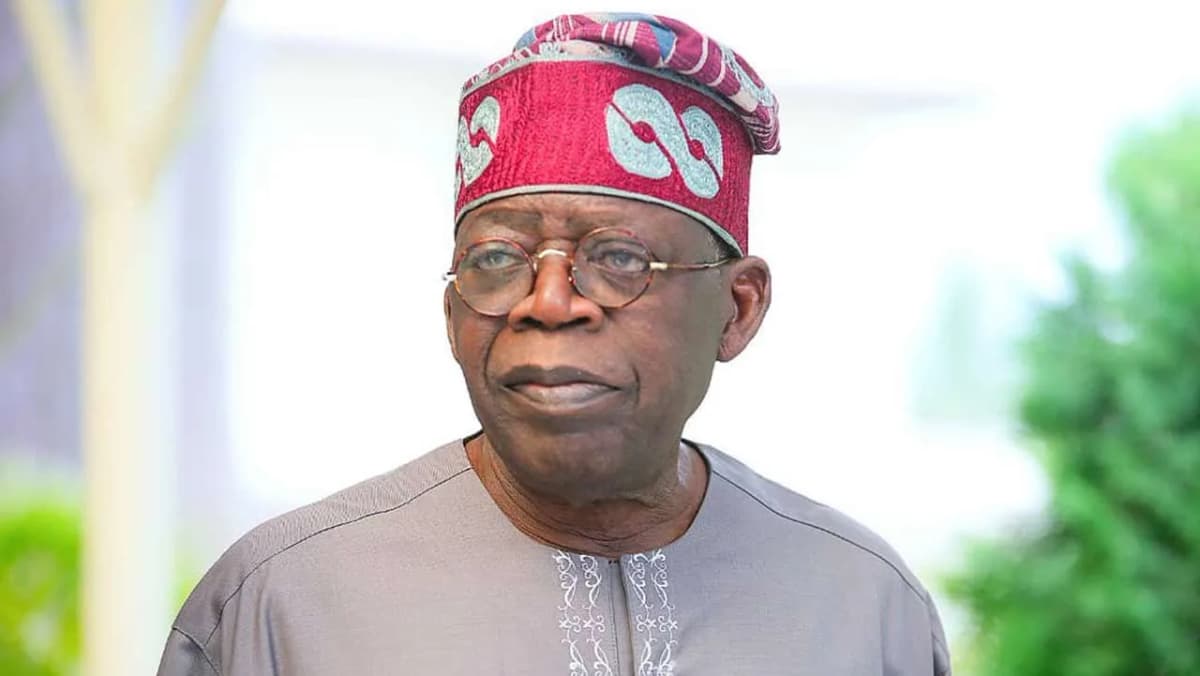
The Ibadan Declaration, adopted on April 25, 2026, during an opposition summit held in the capital of Oyo State, explicitly stated that the participating parties “will work to present a single presidential candidate for the 2027 elections, agreed upon and supported by all participating opposition parties.” Less than a week after this summit, Peter Obi and Rabiu Kwankwaso left the ADC – the platform meant to embody this unity – to join the Nigeria Democratic Congress (NDC), a party registered in February 2026. One month after the declaration, the single candidate project is, according to analyst Cheta Nwanze of SBM Intelligence, “on life support.”
The spokesperson for the ADC, Bolaji Abdullahi, publicly acknowledged the situation: “In the current circumstances, the Ibadan Declaration, which advocated for a single presidential candidate among participating parties, will need to be reexamined.” This official wording reflects the extent of the retreat from the April 25 statement, signed by the heads of several opposition parties, including the PDP faction led by Saminu Turaki and the ADC leadership led by David Mark.
Obi’s departure was motivated, according to a statement he shared with Reuters, by “endless litigation, internal battles, suspicion, and divisions” within the ADC. Kwankwaso, whose northern political base is concentrated in Kano State, followed suit. Their migration to the NDC reconstructs around them an Obi-Kwankwaso duo that nearly formed as early as 2023 but never materialized.
Structural Failures That Broke the Coalition
The collapse is not an incidental occurrence – it is the result of three fractures that the Ibadan summit did not resolve, merely covered up.
The first concerns presidential zoning. The question of whether the single candidate should come from the North or the South quickly resurfaced after the summit. Atiku Abubakar, from the North, claims a candidacy for the ADC or PDP. Obi, an Igbo from the southeast, intends to run on his own momentum. Kwankwaso, a Northerner from Kano, could have served as a third way or running mate. None of the three agreed to yield.
The second fracture is about the institutional control of the ADC. Internal disputes over the legitimacy of the leadership led to a Supreme Court decision that, according to Allafrica, “restored the legitimacy of David Mark’s leadership while sending the substantive disputes back to the Federal High Court.” This single judicial referral was enough to perpetuate uncertainty about the very structure of the party meant to serve as the vehicle for the coalition. The Attorney General of the federation had also attempted to disband the ADC, according to the same source.
The third is a question of trust between parties with conflicting political histories. The ADC, PDP, and their allies each bear scars from defeats, internal betrayals, and litigations that make any collective deliberation difficult to stabilize.
A Divided PDP and a Non-Historic NDC
The coalition remains fragmented along several axes. The faction of the PDP represented in Ibadan by Saminu Turaki does not represent the entire party. Another faction, close to former governor Nyesom Wike – now a minister in the Tinubu government – organized its own primary and nominated Sandy Onor as the presidential candidate.
The NDC, for its part, is a party registered in February 2026 – with no electoral history, no structure in the thirty-six states, and whose national visibility depends entirely on the fame of Obi and Kwankwaso. Its viability as a national electoral machine remains to be demonstrated before the summer 2026 primaries.
There are eleven months left before the presidential election on January 16, 2027. Tinubu’s APC, which had benefited in 2023 precisely from the three-headed division of the opposition, is in a comfortable position to capitalize on a reconfiguration that reproduces the same scenario.

Comments
Comments load when you reach this section.