
Management 2026: the government submits the draft amendment to the finance bill to the National Assembly
The restructuring of the governmental apparatus following the inauguration of the new President of the Republic, along with the consideration of his priority orientations, necessitates a profound adjustment of the state’s budgetary architecture. These substantial adjustments compared to the initial objectives led the government to submit a supplemental finance bill to Parliament for study and vote.

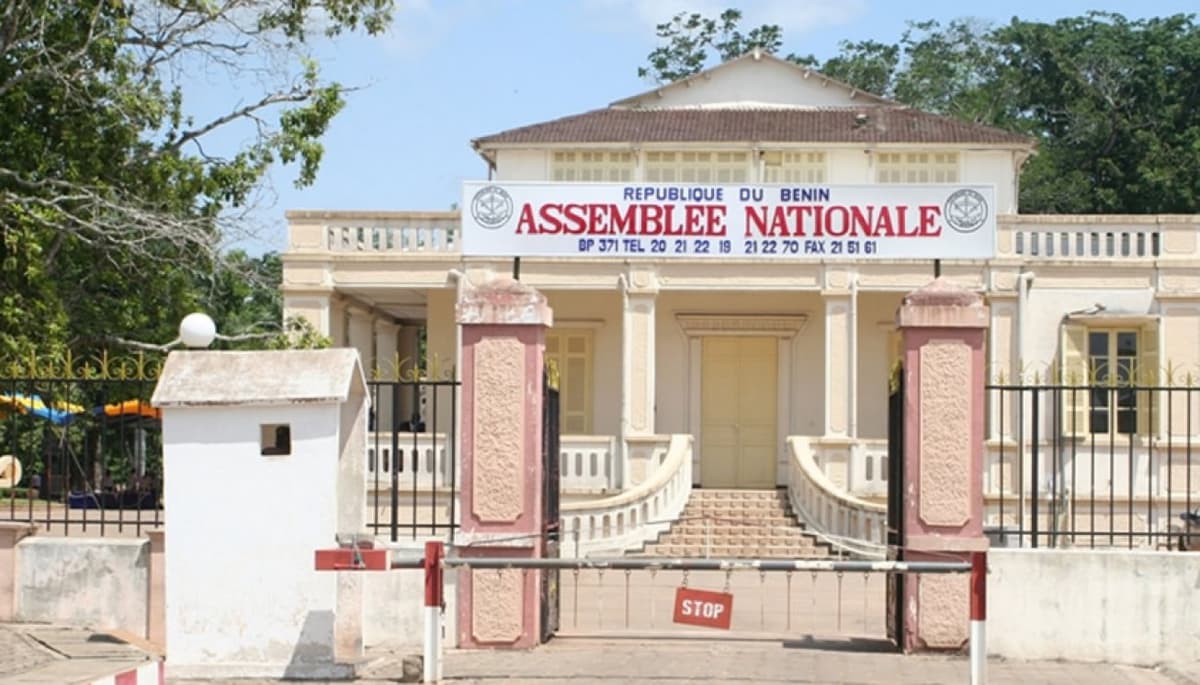
In this new configuration, the general state budget is now set at 4,086.620 billion CFA francs compared to the initially projected 3,783.984 billion CFA francs, representing a growth rate of 8%. Macroeconomic forecasts maintain the growth rate at 7.5%. In terms of operational costs, personnel expenditures show a decrease of 9.8%, a reduction that takes place without jeopardizing scheduled recruitments or spending on the acquisition of goods and services. Furthermore, budget revenues have increased by 2% while investment expenditures have seen a notable rise of 8.5%.
The main orientations and key measures of the budget collective
The adjustments made reflect the sectoral commitments and social priorities of the President’s societal project through several major axes.
In terms of social protection and human capital strengthening, new budget lines are opened to finance targeted actions. These include the installation of water points in schools and health centers, the acceleration of the nutritional supplementation program for the first 1,000 days, the strengthening of mandatory health insurance, as well as care for street children and individuals in a state of begging.
The educational aspect is marked by the initiation of the generalization of free tuition fees for girls in general secondary education starting from the 2026-2027 school year, alongside a program for the construction of storage facilities dedicated to school canteens.
Regarding internal security, the state is reassessing its allocations to strengthen the public security network. This budgetary effort is primarily aimed at deploying a video surveillance solution in the major cities of the country.
In the health and infrastructure sectors, the bill consolidates the credits of the Public Investment Program (PIP). These resources will support the construction and rehabilitation of hospitals and health centers, the acceleration of the operational phase of the International Hospital Center of Calavi (CHIC), as well as the implementation of sanitation and transport infrastructures.
Finally, to support the economic fabric and address the rising prices related to geopolitical crises, the government plans to subsidize agricultural inputs, thus ensuring better productivity to foster national food security.
Government members are now expected to appear before the national representation to defend the orientations of this budget collective during the commission and plenary sessions.

Comments
Comments load when you reach this section.