
Mali: the gold production of Loulo-Gounkoto is expected to reach 362,500 ounces in 2026.
The Loulo-Gounkoto gold complex in Mali is ramping up its activities after a largely extended suspension in 2025. Its operator, the Canadian group Barrick Mining, reported an attributable production of 152,000 gold ounces in the first half of 2026, aiming for up to 362,500 ounces for the entire year.

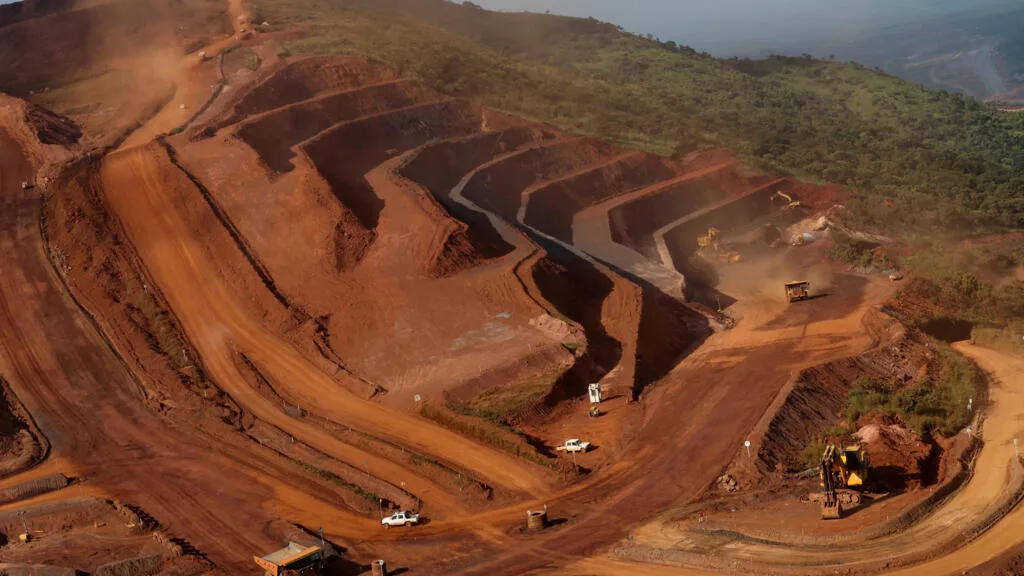
Mali’s largest gold mine, before the halt of its operations in early 2025, is gradually regaining its production pace. Barrick Mining reported significant volume growth between the first and second quarters of 2026 on Monday, August 10.
Attributable production corresponds to the share of gold that goes to Barrick based on its stake in the complex. Based on the announced annual target, the 152,000 ounces produced in the first half represent about 42% of the expected volume in 2026.
A gradual recovery after the halt of 2025
The Loulo-Gounkoto complex was largely idle in 2025 amid tensions between Malian authorities and its operator. The recovery that began in early 2026 is occurring gradually, with increasing volumes over the months.
To reach an annual production of 362,500 ounces, the site would need to produce about 210,500 ounces in the second half, assuming Barrick’s forecast is maintained. This pace would be significantly higher than that recorded during the first six months of the year.
The group has not detailed the total volumes produced by the complex in the available information nor specified the exact timeline for a full return to capacity. The figures provided pertain to the production attributable to Barrick and should not be automatically equated to the gross production of the entire site.
The performance of Loulo-Gounkoto is a key element for Barrick Mining, which operates several gold assets in Africa. The restart of the complex should allow the group to gradually restore its Malian contribution to its production volumes after the significant disruption recorded in 2025.
Comments
Comments load when you reach this section.