
Lomé, a no-go zone? Cancellation of a major ECOWAS summit that was to be held in Togo
The gap is widening more and more within ECOWAS among its member states. A summit of the subregional institution, intended to mark its fiftieth anniversary, and which was to be held in Togo, in Lomé, the capital, has been canceled. Officially, the reasons for this decision have not been disclosed, but several sources believe it is due to a tense political context, both inside Togo and within the ECOWAS region more broadly.
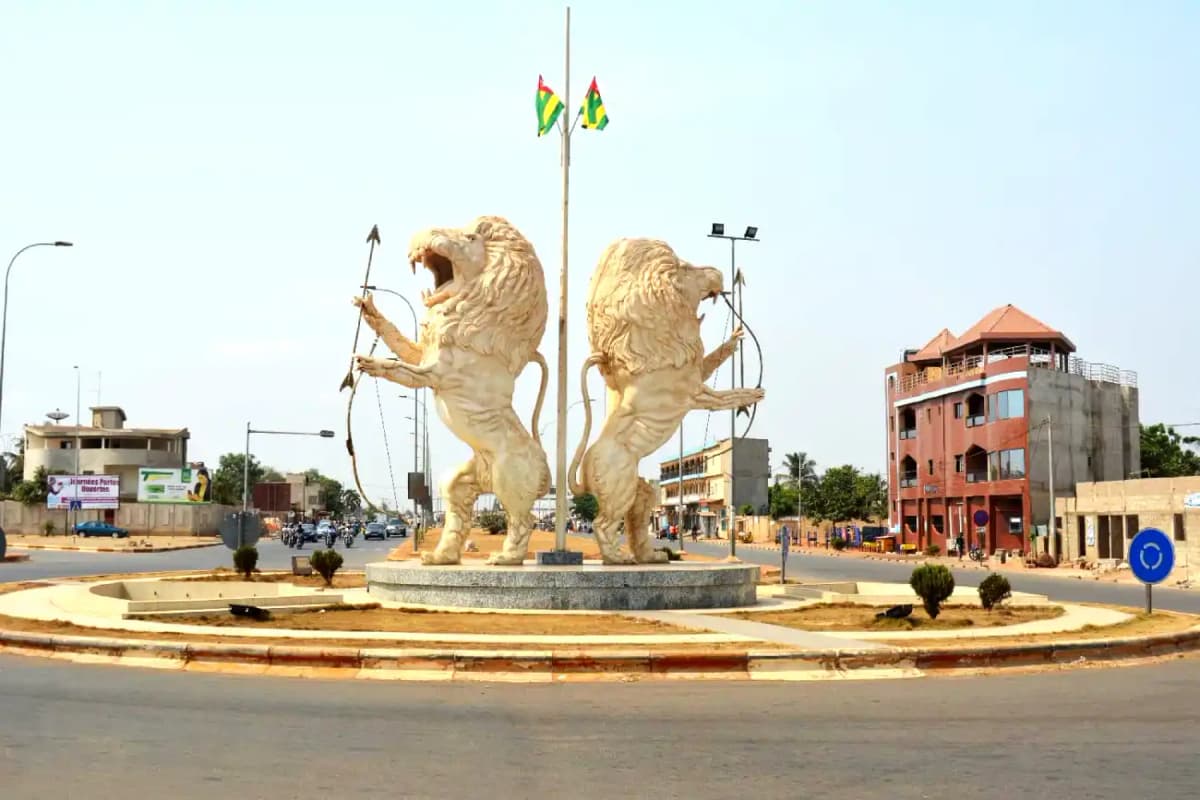
According to political analyst Rodrigue Ahego on Tout TV Africa, the cancellation of the ECOWAS summit planned for Togo in 2026 is not a simple schedule adjustment, but the symptom of an organization in the throes of an existential crisis. After several successive postponements, this decision highlights the deep fractures that are currently undermining West African unity.
First, one could point to growing diplomatic isolation. Togo seems to be going through a period of estrangement with its immediate neighbors. Relations have cooled for several reasons. First, neighborhood tensions: major fault lines exist with Ghana, whose new authorities have broken with the practices of the former regime, as well as with Ivory Coast, Benin, and Nigeria.
There are also serious allegations. Lomé has been cited for having offered protection to a fugitive putschist after the failed coup d’État on December 7, 2027 in Benin, an accusation that the Togolese authorities have never denied. There is also this sensitive case concerning the extradition of Paul-Henry Sandaogo Damiba, which was very poorly received by several states in the sub-region.
Togo is now considered the thorn in ECOWAS’s side, because beyond bilateral quarrels, it is the very role of Faure Gnassingbé within the organization that is in question. He is accused of playing a shady game aimed at defying ECOWAS’s authority, particularly in connection with the withdrawal of Mali, Burkina Faso, and Niger.
Moreover, the domestic Togolese context weighs heavily. The move to the Fifth Republic and the organization of a summit in Lomé would have been seen as backing a constitutional coup carried out by the regime, directly contradicting ECOWAS’s Additional Protocol.
The refusal of power alternation also constitutes a sticking point. While civil society is pushing for strict term limits for presidents and heads of government, Togo is perceived as the bad student who blocks this necessary democratic evolution.
Finally, one can say the organization stands at the crossroads of its destiny. ECOWAS is at a historic turning point: between the need to reform itself to rise anew or the risk of perishing under the diktat of a syndicate of heads of state. The institution has therefore chosen prudence. Organizing a high-level meeting in such a deleterious climate in Togo could have dealt a fatal blow to an organization that was already weakened. The prior relocation of the ECOWAS parliamentarians’ meeting was already a precursor to this rebuke.
Related Articles
 Cooperation: Benin’s new request to escort Nigerien military equipment
 Cooperation: the ambassadors of Indonesia and Israel officially begin their missions in BeninDiplomacy: the Austrian ambassador begins his mission in Benin
 Leading Francophone chancelleries: Benin hands over the baton after a full term