
Legislative and municipal elections in Benin: delays reported in several places.
This Sunday, January 11, 2026, Beninese voters are called to the polls for the joint legislative and municipal elections, a major ballot that opens the year’s electoral cycle in Benin. However, in the early morning hours, delays were observed in the start of voting in several localities across the country.
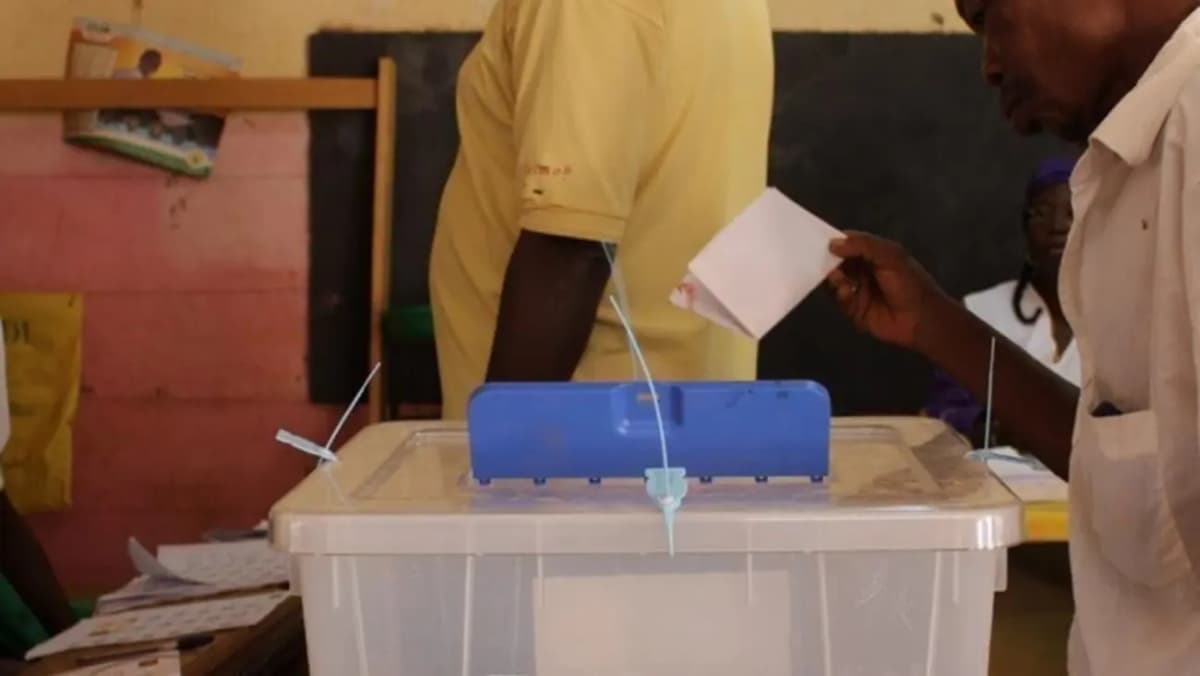
The elections this Sunday aim to elect the 109 deputies of the National Assembly, through the legislative elections and the municipal councillors in the 77 municipalities of the country, as part of the municipal elections. This dual ballot constitutes a key step in strengthening national and local governance, a few months ahead of the presidential election scheduled for April 2026.
According to initial information gathered on the ground, the effective start of voting was not uniform across the national territory. In some areas, notably in Abomey-Calavi, Porto-Novo, and in neighborhoods of Cotonou that our team was able to survey, as well as other municipalities reported by observers, several polling stations had not opened at the official start time, set around 7:00 a.m. The causes cited include :
- late arrival of the electoral equipment (ballot boxes, ballots, indelible ink) ;
- the gradual deployment of the electoral agents ;
- last-minute logistical adjustments.
Conversely, in other municipalities, notably in some inland localities, voting was able to start without major incidents, with organization judged satisfactory by the voters present.
The National Autonomous Electoral Commission (CENA), responsible for organizing the poll, had nonetheless reiterated assurances about the proper preparation of the electoral process. These punctual delays, however, highlight the logistical challenges involved in the simultaneous organization of two large-scale nationwide elections, mobilizing thousands of agents and a substantial logistical apparatus.
Citizen participation expected despite delays
Despite these sometimes laborious starts, voters gradually flocked to polling centers, forming queues in several urban neighborhoods and rural areas. Election authorities urge calm and patience, assuring that the right to vote of every citizen will be safeguarded, including possibly by adjusting the voting hours if necessary.
Note that beyond organizational aspects, these joint elections carry significant political stakes :
- redraw the composition of the National Assembly;
- strengthen local governance through renewed municipal councils;
- set the tone of the political climate ahead of the 2026 presidential election.
Related Articles
 Benin: Éric Houndété explains why he remains the LD party’s interim president.
 Benin: Ouassangari contests Houndété’s retention as interim president of the Democrats.
 2026 presidential election: Romuald Wadagni’s policy platform praised for its tone of openness
 Benin: Daniel Edah officially launches the creation of his party « Nous le Ferons ».