
Koko Dunda: the colorful Burkinabè cotton making waves in Dakar
In Dakar, Koko Dunda is transitioning from a fabric that merely catches the eye to one that is truly worn. The Senegalese daily Le Soleil ranks it among the season’s strong trends, driven by its vibrant colors, lightweight cotton base, and irregular patterns.

The fabric originates from Bobo-Dioulasso in Burkina Faso. Its name refers to the Kôkô neighborhood, historically associated with dyers. Once regarded as a popular cloth, Koko Dunda has gained a more prominent place in West African fashion, thanks to the efforts of designers and artisans who have brought its dyeing technique to the forefront.
Its signature lies not in a fixed pattern but in its method of production. The fabric is folded, tied, and then hand-dyed using a reserve technique similar to tie and dye. The color baths create bands, streaks, and softer areas, making each piece slightly different.
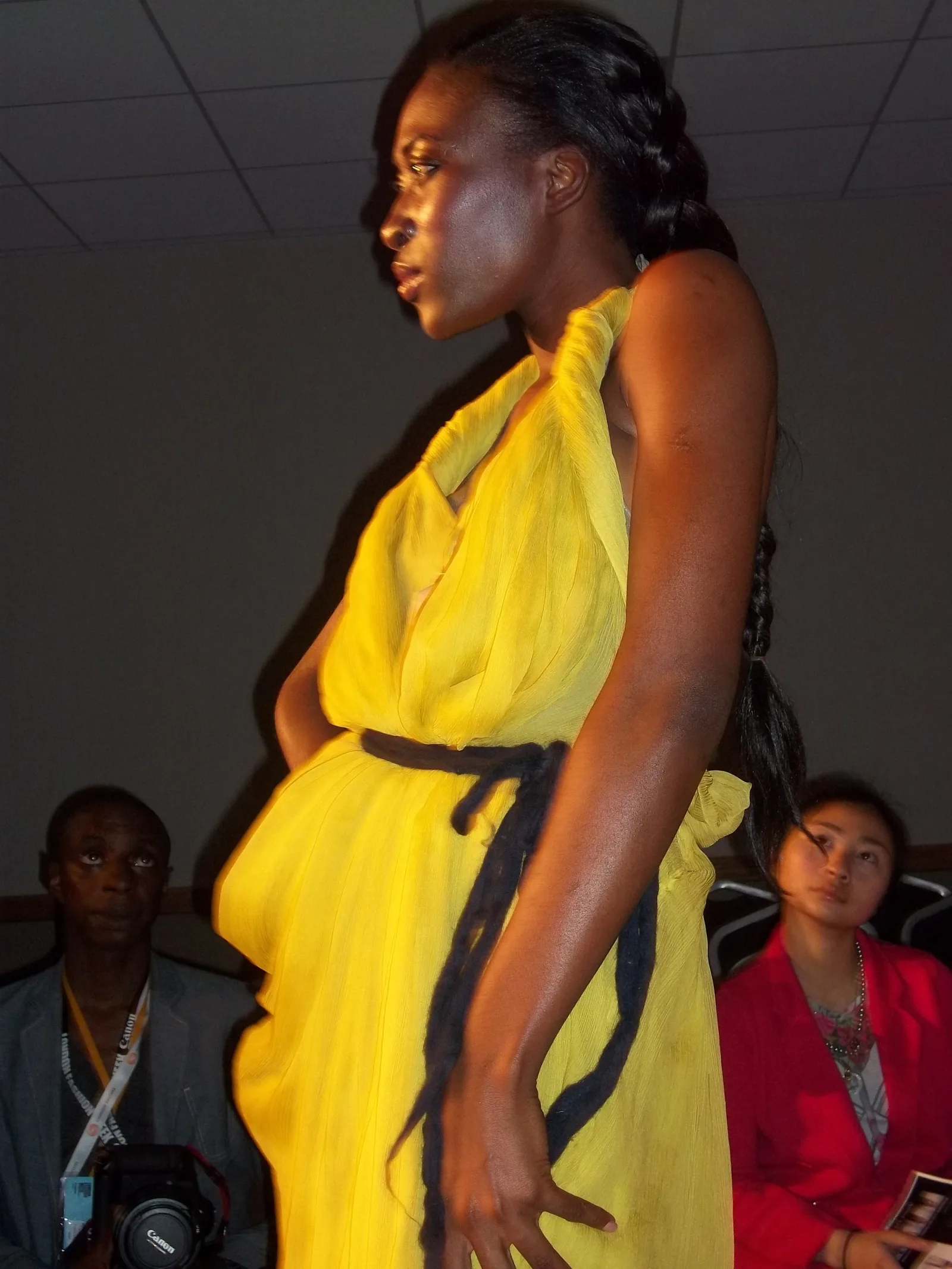
In Dakar, this material easily finds its place in wardrobes as the heat calls for less rigid clothing. A loose dress, a skirt, a shirt, or a two-piece set is enough to highlight the fabric’s graphic quality without overwhelming it with accessories. The highly contrasting versions better support simple cuts, while the more blended shades lend themselves to layering.
Behind this trend is also significant female craftsmanship. The Ethical Fashion Initiative notes that the dyers of Bobo-Dioulasso play a central role in the production of Koko Dunda, while the Burkinabè network CABES brings together thousands of traditional textile artisans, predominantly women.
Koko Dunda remains primarily a fabric from Bobo-Dioulasso before it becomes a Dakar trend. CABES describes its name as “the entrance of Kôkô,” referring to the neighborhood where dyers traditionally work.
Comments
Comments load when you reach this section.