
Kenya: New CBK rules could reduce dividends for major banks
The Central Bank of Kenya is proposing to require systemic institutions to hold up to 2.5% in additional CET1 capital relative to their risk-weighted assets. The draft, which was opened for consultation in September 2026, aims to mitigate the risk of a major banking failure destabilizing the Kenyan economy.

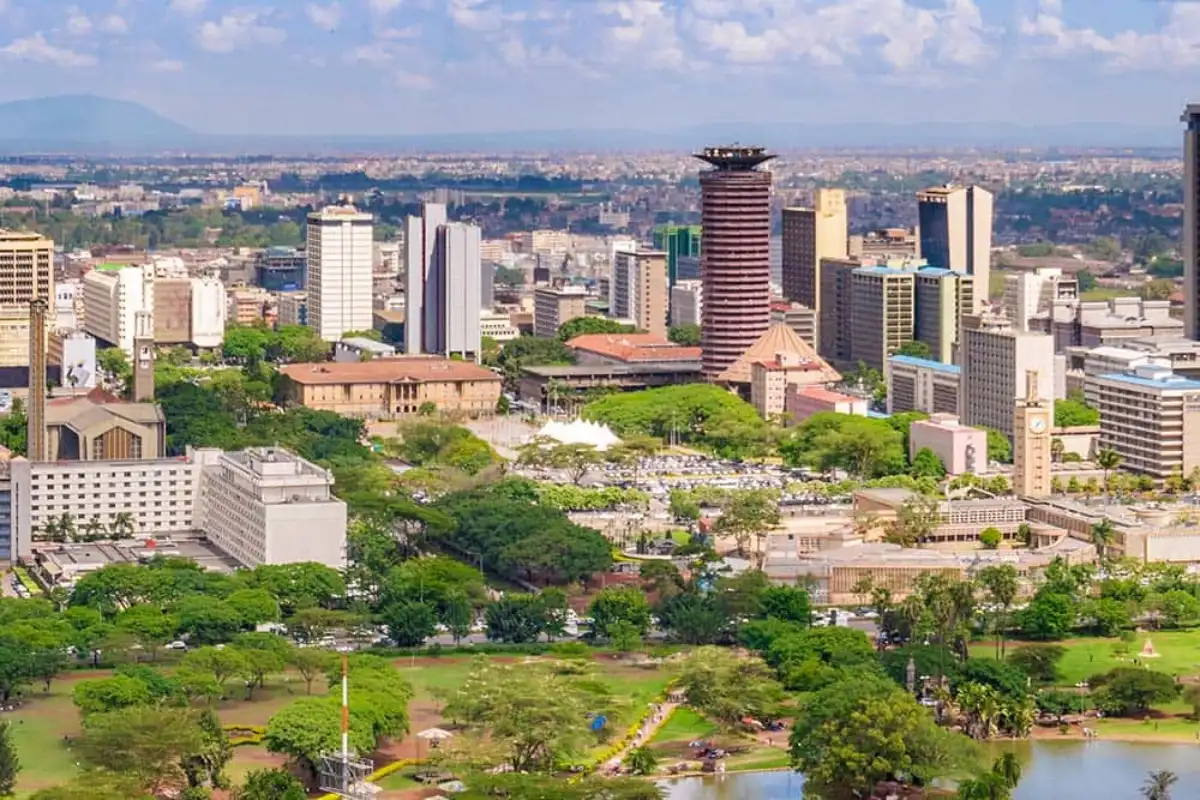
For shareholders, the reform could impact dividends, as a larger portion of profits may need to be retained to bolster capital buffers. Business Daily estimates that major groups such as Equity Group, KCB Group, and Co-operative Bank could be among the most affected institutions, although the CBK has not yet finalized the official list.
The proposal outlines five criteria for identifying systemic banks: their size, connections with other institutions, the difficulty of replacing their services, the complexity of their operations, and their significance to the national economy.
Designated institutions would be categorized into three groups, with CET1 capital requirements ranging from 0.5% to 2.5% of risk-weighted assets. They would also be subject to enhanced oversight, quarterly stress tests, and annual recovery and resolution plans.
This issue is significant for investors. The twelve banks listed on the Nairobi Stock Exchange distributed 117.2 billion shillings in dividends for 2025, accounting for nearly half of the 245.9 billion shillings paid out by all listed companies, according to Business Daily.
The framework is not yet final. The CBK has invited the public to submit feedback on the new prudential rules and the framework concerning systemic banks before November 7, 2026.




Comments
Comments load when you reach this section.