
Kenya: Nairobi Opens the Door to More Ugandan Maize Under Sanitary Conditions
Kenya says it is ready to increase its maize purchases from Uganda, provided that the shipments strictly comply with drying and aflatoxin control standards. The two countries want to take advantage of the AfCFTA to streamline their agricultural trade.

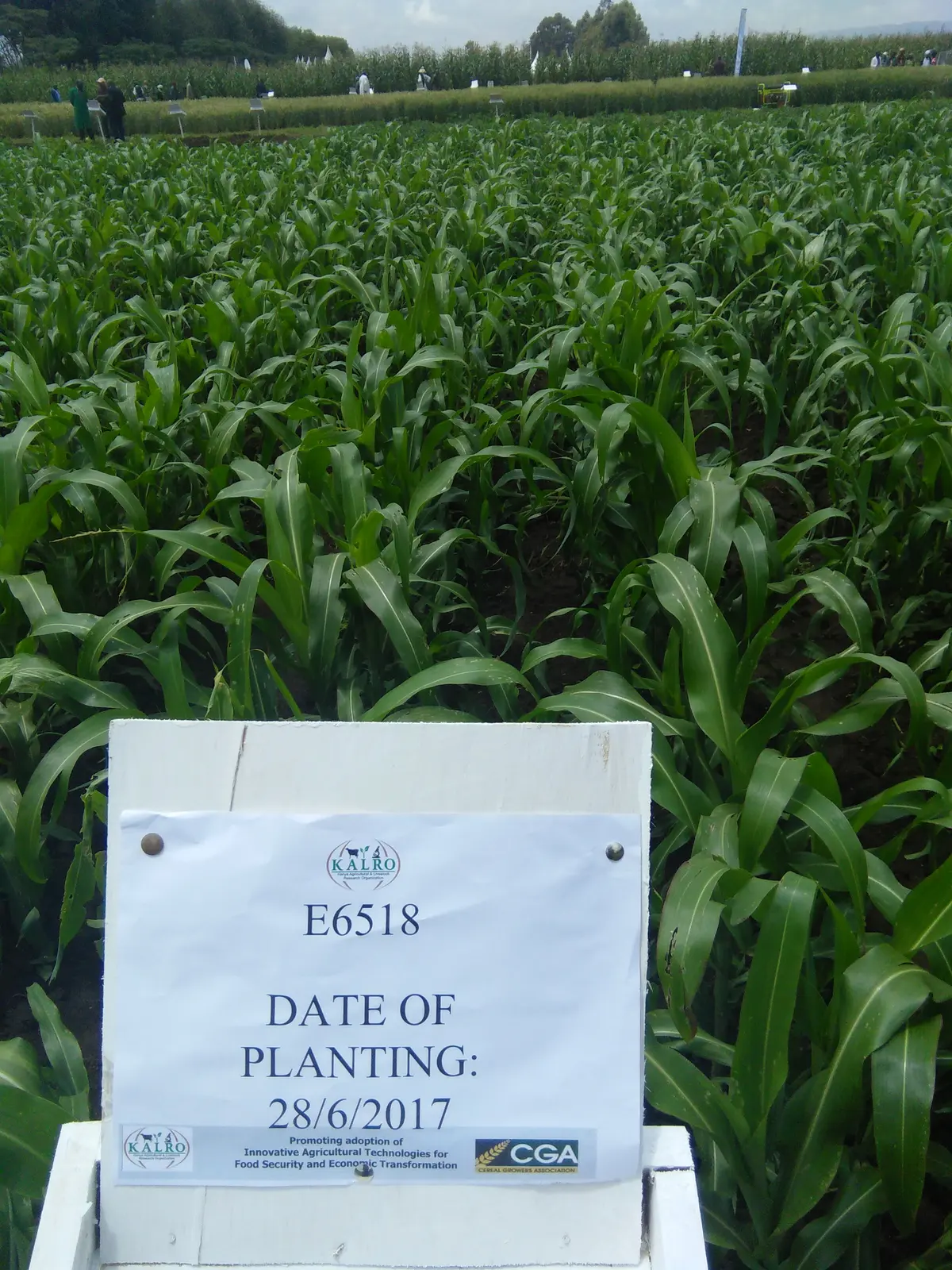
NAIROBI — The Kenyan government on Tuesday, September 8, paved the way for an increase in imports of Ugandan maize, while setting compliance with food safety standards as a prerequisite. Kenyan Agriculture Minister Mutahi Kagwe stated that Uganda could supply part of Kenya’s needs but emphasized the quality of grain drying and the absence of aflatoxins.
This position was expressed during a meeting in Nairobi with a delegation from the Agriculture Committee of the Ugandan Parliament. The discussions focused on increasing agricultural trade between the two neighbors, reducing trade barriers, and better utilizing the mechanisms of the African Continental Free Trade Area (AfCFTA).
“We can buy, but we need aflatoxin-free maize,” said Mutahi Kagwe, according to the public agency Kenya News Agency. The minister emphasized that some Kenyan millers remain cautious about shipments coming from Uganda due to the risks related to moisture and toxins produced by certain molds when the grains are poorly dried or improperly stored.
The issue goes beyond the health question alone. Nairobi and Kampala are also seeking to strengthen their agricultural value chains and facilitate cross-border trade in a highly integrated East African market. The Ugandan delegation notably discussed with Kenyan authorities the harmonization of standards, the removal of non-tariff barriers, and the development of local processing.
For Uganda, the opening of the Kenyan market represents an important outlet for maize producers. The Ugandan Ministry of Agriculture has for several years presented the development of the maize sector as a key area for marketing and improving farmers’ incomes, with a focus on storage, processing, and the quality of products intended for regional markets.
Kenya, however, wants to avoid an increase in volumes at the expense of consumer safety. Authorities emphasize the drying of maize before it crosses the border and sanitary controls upon importation. Aflatoxin remains a recurring issue in the grain trade in East Africa, where storage conditions can promote contamination.
Beyond maize, trade between the two countries covers a broader range of agricultural products. The discussions in Nairobi also addressed cooperation in agricultural technologies, pest control, storage, climate change, value addition, and market access.
The stated intention of the two governments comes at a time when East African countries are seeking to secure their food supplies while increasing regional trade. For Kenya, the possibility of purchasing more Ugandan maize could help diversify the supply, provided that sanitary controls are strengthened upstream.
Related Articles
 DGI: Generalization of the 5% AIB Withholding for Non-Compliant or Unregistered Taxpayers Starting September 7, 2026
 Banking sector in WAMU: Benin consolidates its assets and surpasses the regional average in granting credit
 Fuel prices in WAEMU: Senegal tops the list, Niger records the lowest rate
 Benin: Ismath Bio Tchané Mamadou reappointed as head of the Court of Accounts
Comments
Comments load when you reach this section.