
Kenya: Mdundo relies on telecom operators to pay artists
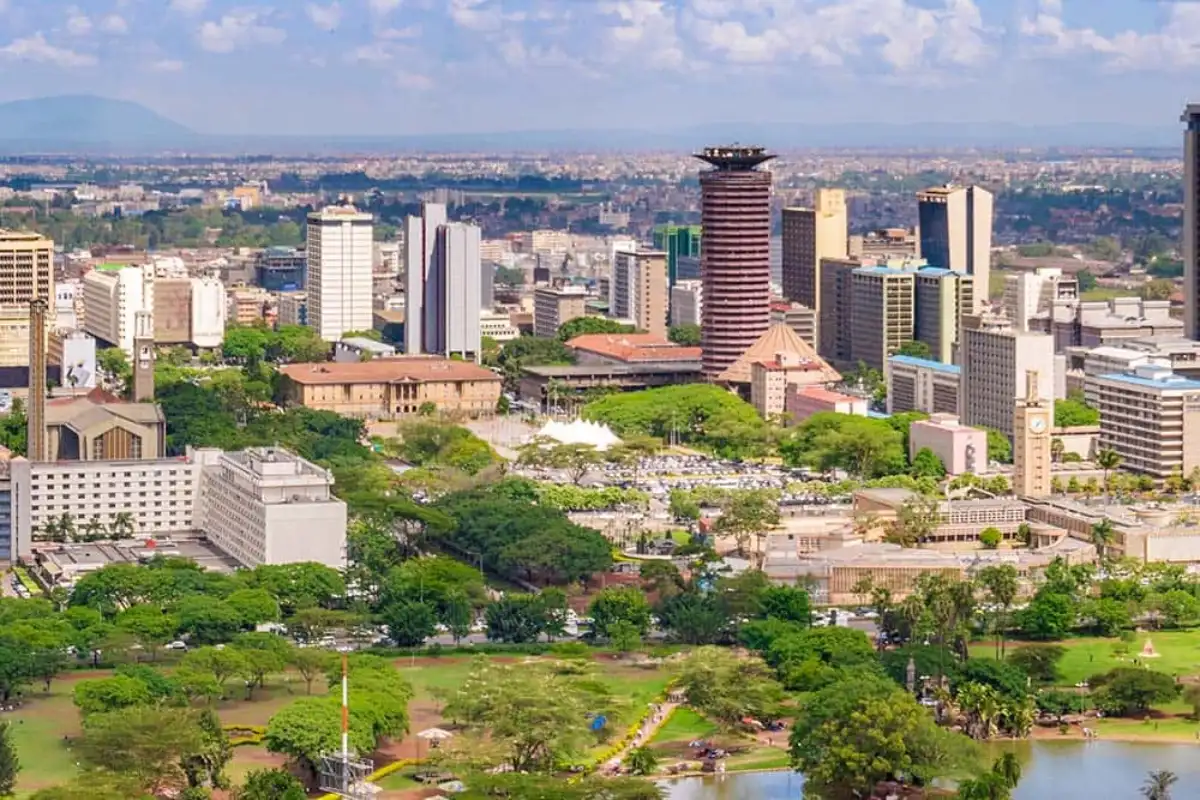
Based in Nairobi and launched in Kenya in 2012, the music platform Mdundo relies on telecom operators to distribute African tracks and compensate their rights holders in markets where bank cards and stable connections remain unevenly accessible.

In its annual report for 2024-2025, published in September 2025, the company states that it paid out more than 4.8 million Danish kroner in royalties to artists and other rights holders. This amount was roughly equivalent to about 750,000 dollars at the period’s exchange rate.
However, the latest semi-annual results available show pressure on activity. For the six months ending in December 2025, revenue fell by 25.5% year-on-year to 4.4 million Danish kroner, according to the company’s data reported by Business Daily Africa.
During the same period, Mdundo recorded 9.9 million subscription payments made by around 906,000 unique customers. This figure does not represent millions of distinct subscribers: one person may make multiple daily or weekly payments.
Subscriptions Integrated into Phone Bills
The paid model largely relies on billing through mobile operators. In its reports, Mdundo notably mentions Safaricom in Kenya, Vodacom in Tanzania, MTN in several African markets, and Airtel in Nigeria. Users can purchase daily or weekly access directly from their phones, without a bank card.
By the end of the 2024-2025 fiscal year, Mdundo was distributing its premium offering through eight operators representing over 352 million potential customers combined. This number measures the commercial reach of telecom partners, not the actual audience of the platform.
The service also maintains an ad-supported offering, allowing music streaming or downloads on low-power devices. Offline access reduces data consumption and facilitates use in areas where connectivity is intermittent.
According to the compensation policy published by Mdundo, eligible revenues from advertising, licenses, and subscriptions are shared equally between the platform and content providers. Payments are made twice a year, in January and July, depending primarily on recorded downloads.
As of June 2025, the catalog included around 839,000 tracks supplied directly by artists and 3.9 million international licensed tracks. The company says it focuses its investments on local African repertoires, including highlife, fuji, bongo flava, and several Kenyan genres.
For the 2025-2026 fiscal year, management has prioritized reliable telecom billing and diversification towards digital wallets, cards, and diaspora subscriptions as its main operational priorities.
Comments
Comments load when you reach this section.